Southeast Asia Yacht Charters
From the limestone karsts of Phang Nga Bay to the remote atolls of Raja Ampat, Southeast Asia offers more navigable coastline, anchorages, and cultural texture per nautical mile than almost anywhere else on earth. This is a region for charterers who want depth, not just distance.
Charter by Vessel Type
Catamaran Charter in Southeast Asia
Spacious twin-hull vessels offering stability, comfort, and generous deck space for the ultimate charter experience.
Browse Catamarans →
Sailing Yacht Charter in Southeast Asia
Classic sailing vessels that combine timeless elegance with the thrill of wind-powered adventure.
Browse Sailing Yachts →
Motor Yacht Charter in Southeast Asia
Powerful luxury vessels delivering speed, sophistication, and effortless cruising across any waters.
Browse Motor Yachts →
Available Yachts in Southeast Asia

Bareboat Sailing Yacht Hanse 400
Hanse 400 · 2007
From
€2k/week

Bareboat Sailing Yacht Jeanneau Sun Odyssey 409
Sun Odyssey 409 · 2014
From
€2k/week

Bareboat Sailing Yacht Bavaria 37
Bavaria 37 · 2007
From
€2k/week

Bareboat Sailing Yacht Hanse 385
Hanse 385 · 2017
From
€2k/week

Bareboat Sailing Yacht Bavaria 39
Bavaria 39 Cruiser · 2006
From
€2k/week

Bareboat Sailing Yacht Bavaria 38
Bavaria 38 · 2008
From
€2k/week

Bareboat Sailing Yacht Beneteau Oceanis 40
Oceanis 40 · 2008
From
€2k/week

Bareboat Sailing Yacht Jeanneau Sun Odyssey 379
Sun Odyssey 409 · 2014
From
€2k/week

Bareboat Sailboat IYARADA
Hanse 385 · 2016
From
€2k/week

Bareboat Sailing Yacht Harmony 42
Harmony 42 · 2007
From
€2k/week

Bareboat Catamaran MELETH
Bali 4.1 · 2020
From
€2k/week

Bareboat Sailing Yacht Bavaria 45 (2011)
Bavaria 45 · 2011
From
€2k/week
Southeast Asia's charter grounds span six countries, two oceans, and a latitude range that takes you from the monsoon-sculpted beaches of southern Thailand to the coral-fringed outer islands of Indonesia's Bird's Head Peninsula. The sailing is rarely about offshore passages in the traditional sense. It is about threading through island archipelagos, anchoring off villages that see few visiting boats, and moving at a pace that lets the place actually land.
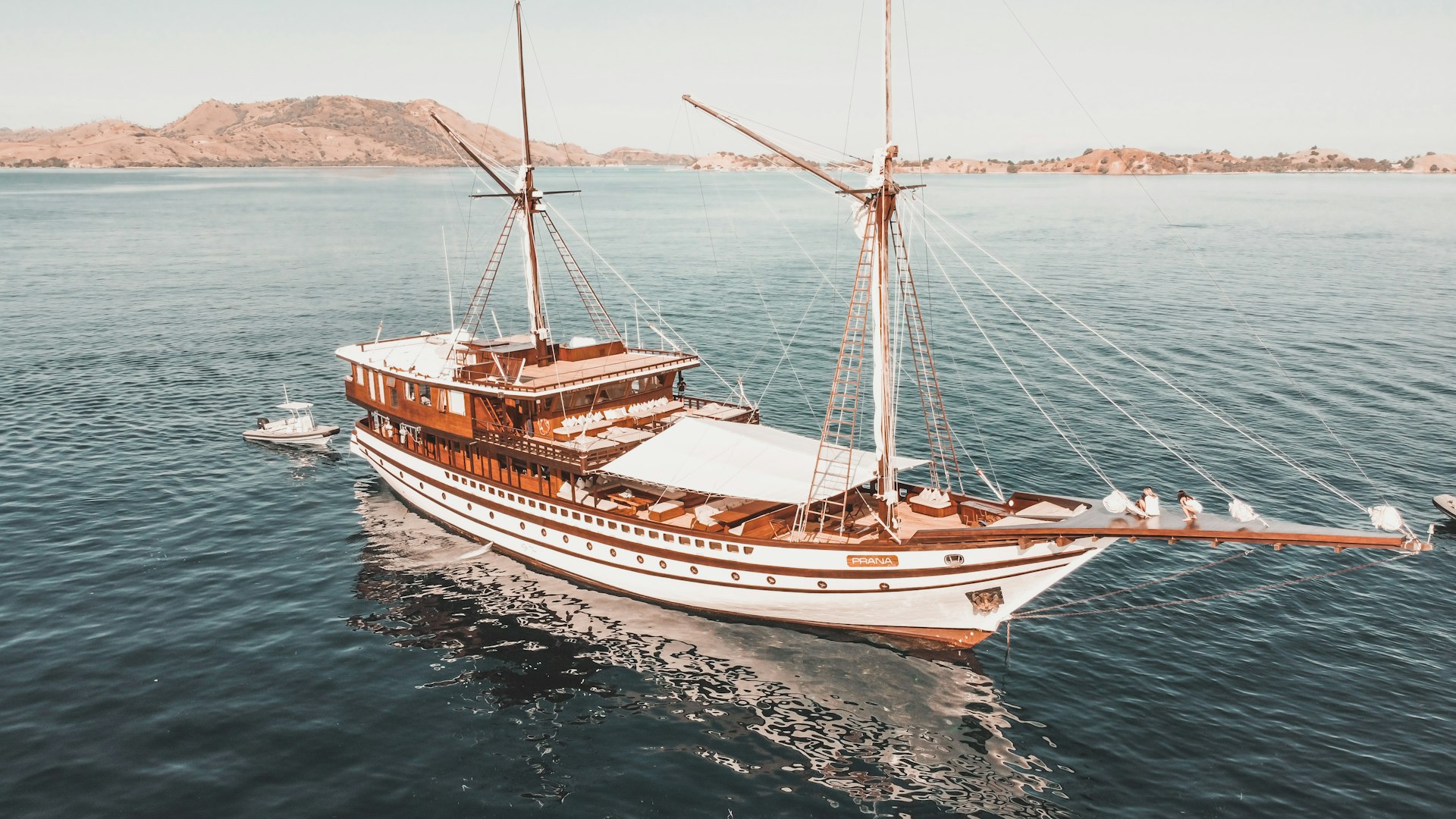
The fleet available across the region reflects its diversity. Catamarans dominate the Thailand and Malaysia markets, where shallow-draft access to inland lagoons and easy beach-landing platforms matter enormously. Traditional Indonesian phinisi schooners are the vessel of choice for Komodo and Raja Ampat, combining cultural authenticity with genuine liveaboard capability in areas where marinas are absent and self-sufficiency is non-negotiable. Motor yachts suit charterers covering larger distances in the Philippines, where inter-island legs between the Visayas groups can reach 60 to 80 nautical miles.
Why Charter in Southeast Asia
The most compelling argument for Southeast Asia is scale without crowds, at least if you choose intelligently. The Mergui Archipelago in southern Myanmar, the Banda Sea in eastern Indonesia, and the Calamian Islands north of Palawan all hold world-class anchorages that see a fraction of the traffic of the Mediterranean in July. The infrastructure is thinner, but that is precisely the point. A boat is not a convenience here — it is the only sensible way to access what makes the region extraordinary.
Gastronomy justifies the trip on its own. Provisioning in Phuket, Langkawi, or Bali puts you within reach of ingredient markets that would interest any serious cook: live mud crab, freshly smoked duck from Penang's Chinese quarters, cured fish pastes that form the base of dishes unavailable in any restaurant outside the region. On a crewed charter, a good chef working local markets transforms dinner into something genuinely memorable rather than a rehearsal of European cuisine in tropical conditions.
The underwater geography is unrivalled in terms of biodiversity. The Coral Triangle, which covers parts of Indonesia, the Philippines, and Malaysia, contains over 75 percent of the world's known coral species. For charterers who dive or snorkel, the decision about where to go becomes almost overwhelmingly rich. Raja Ampat's Dampier Strait, Tubbataha Reef in the Philippines' Sulu Sea, and Sipadan off the northeast coast of Borneo each represent different expressions of the same extraordinary marine productivity.
Southeast Asia Highlights
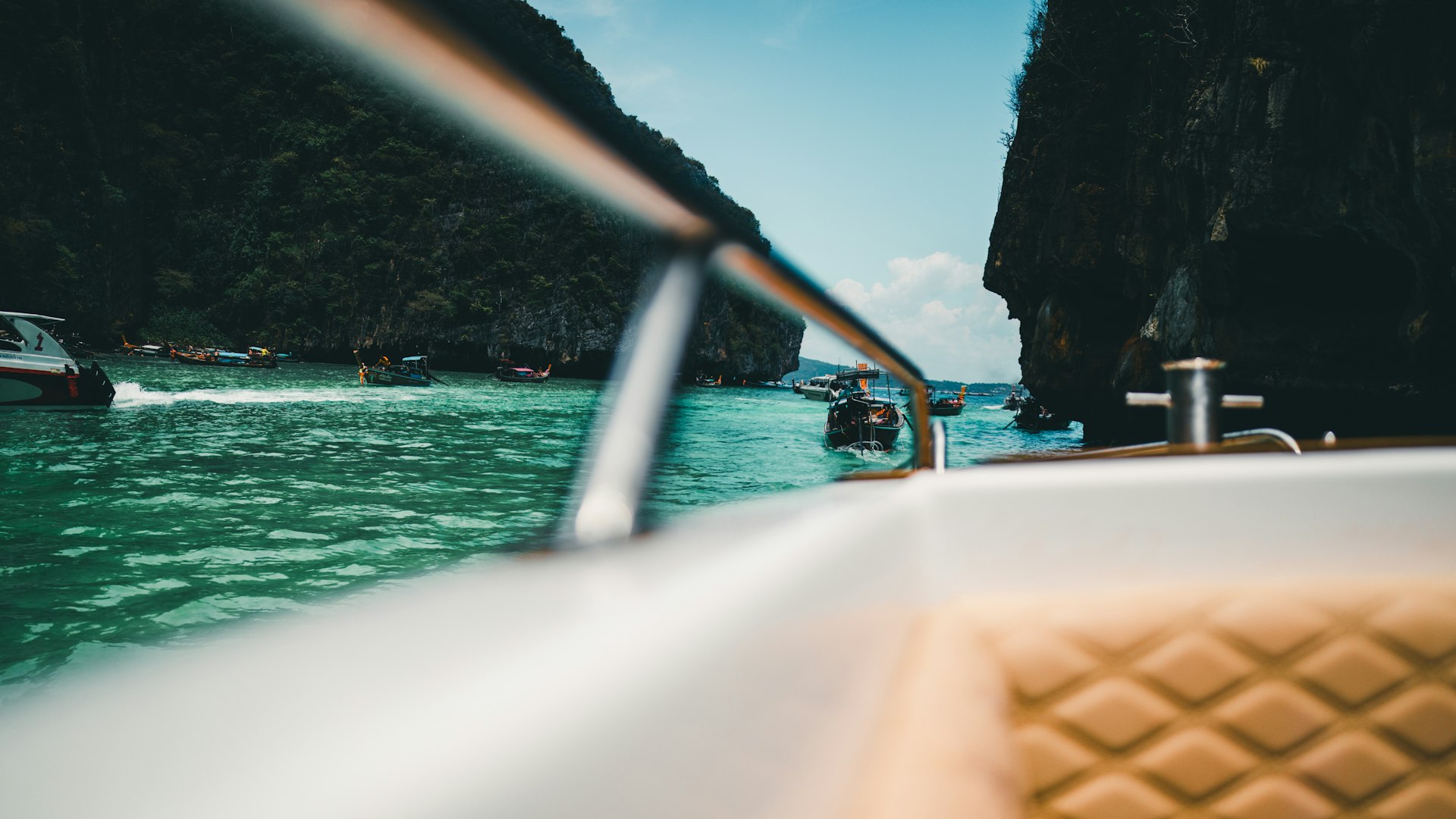
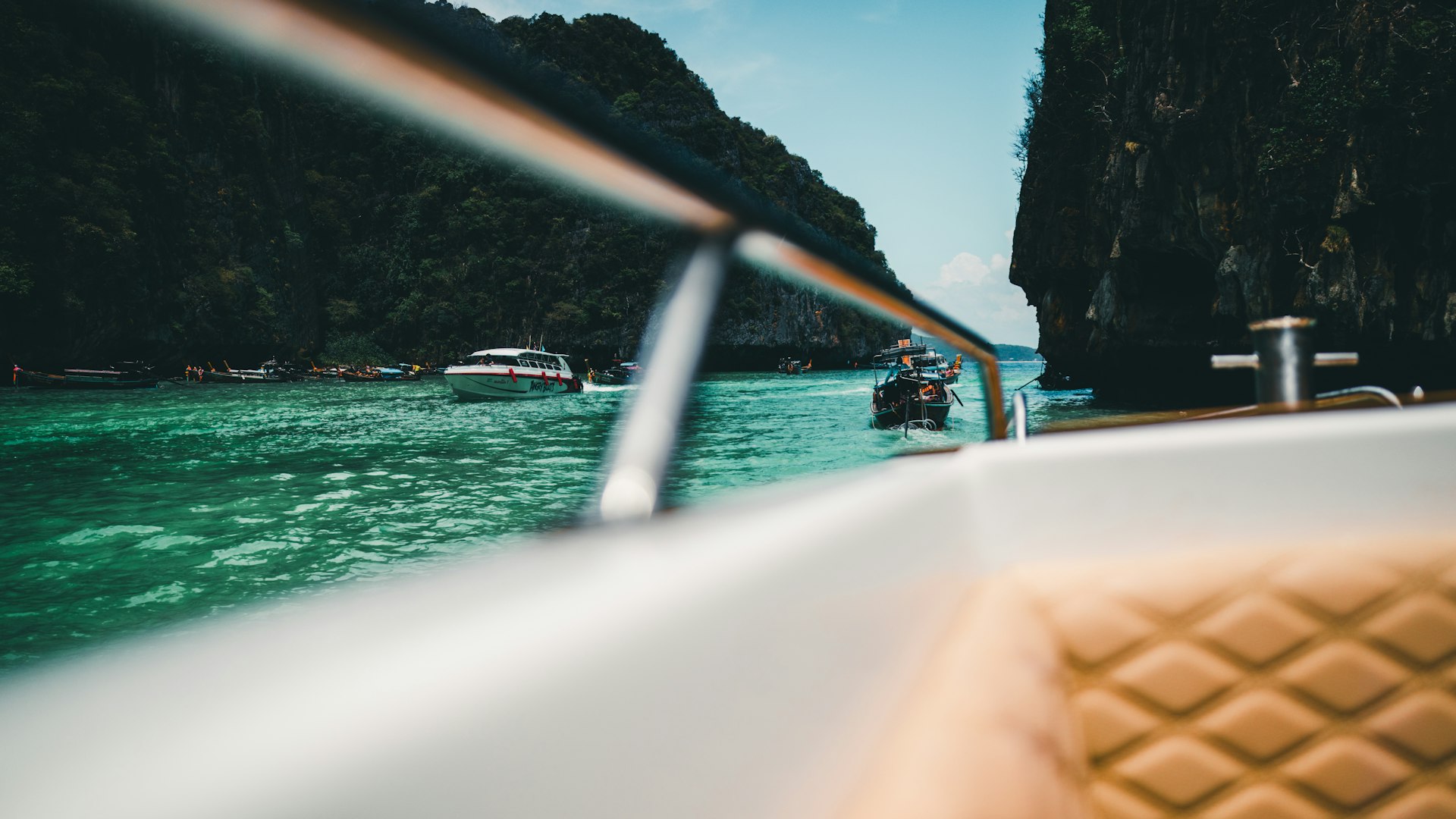
Phang Nga Bay, Thailand: The limestone tower karsts rising from jade-green water are best experienced at first light, before the day-tripper boats arrive from Phuket. Anchoring off Ko Panak or Ko Hong for a private sea kayak through the hongs — the collapsed cave chambers flooded by the sea — is an experience that requires a private yacht to do properly.
Raja Ampat, West Papua, Indonesia: The four kings archipelago — Waigeo, Batanta, Salawati, and Misool — is the global benchmark for coral diversity. The dive sites around Misool's southern lagoons are accessible only to liveaboard and charter yachts; day-trippers simply cannot reach them. Budget at minimum ten days to scratch the surface.
Komodo National Park, Flores, Indonesia: The tidal flows through the passages between Komodo and Rinca islands generate the cold upwellings that feed the extraordinary marine life here. Diving Batu Bolong on a strong flood tide, with manta rays stacked in the current, is an experience that justifies the entire charter.
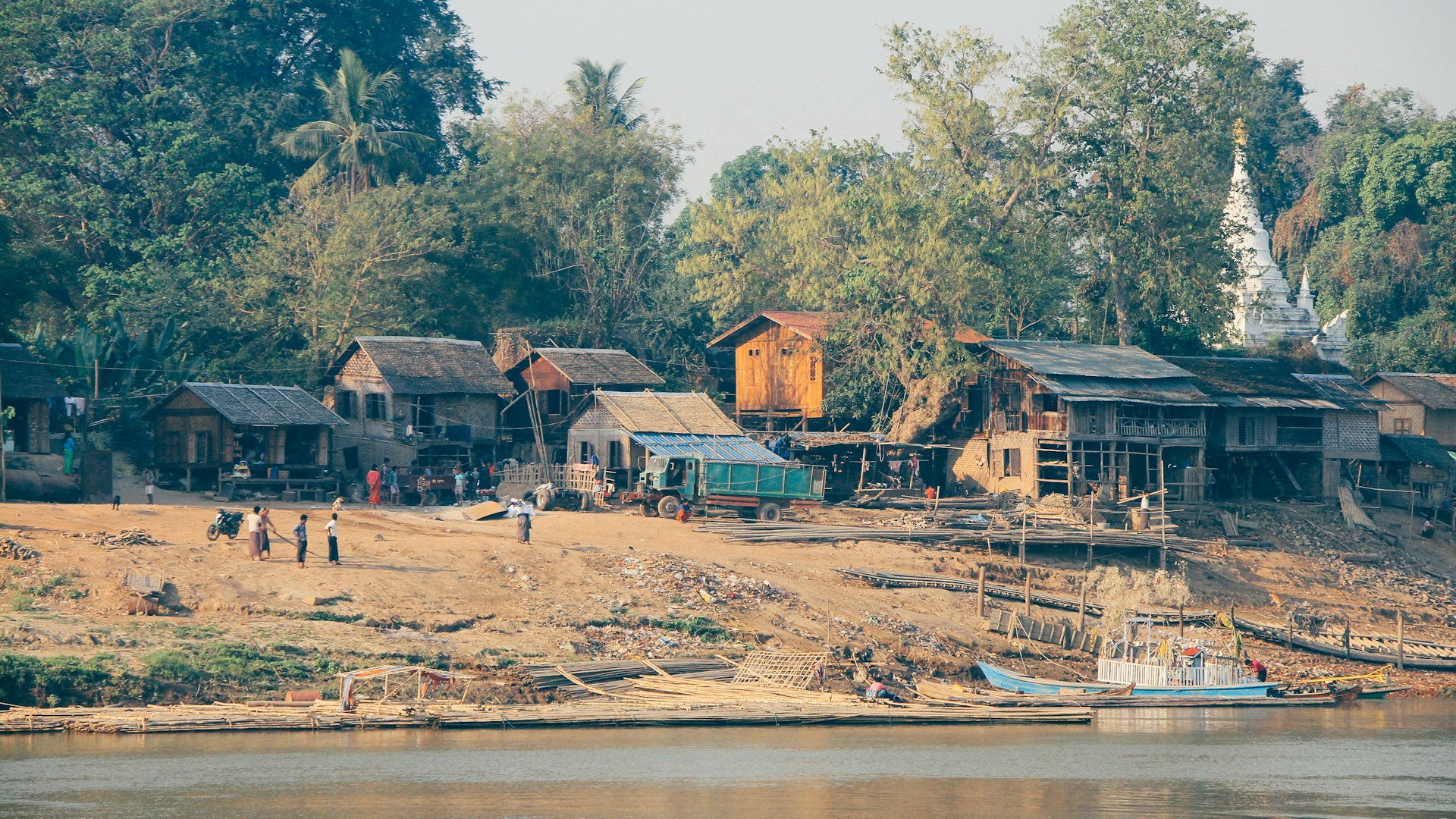
Mergui Archipelago, Myanmar: Over 800 islands with almost no tourist infrastructure and some of the least-dived reefs in Asia. Access requires a permit, a licensed local guide, and a yacht capable of extended passages. The Moken sea nomads still maintain communities on some of the outer islands — an encounter that demands both sensitivity and prior arrangement through your charter agent.
El Nido and the Calamian Islands, Palawan, Philippines: The Bacuit Archipelago around El Nido holds hidden lagoons, white-sand sandbars that appear only at low tide, and wall dives dropping hundreds of metres. The Calamians to the north — Coron, Busuanga — add Japanese WWII wrecks to the itinerary, including the Irako and Okikawa Maru, which are among the most intact wreck dives in Asia.
Langkawi, Malaysia: The Datai Bay area on Langkawi's northwest corner and the anchorage off Pulau Payar Marine Park offer a more structured base than Thailand's west coast, with excellent provisioning at Royal Langkawi Yacht Club and duty-free fuel that makes bunkering here highly practical for longer passages.
Banda Sea, Maluku, Indonesia: The Banda Islands — Banda Neira, Run, Ay — were the original spice islands that drove European colonial expansion for two centuries. The volcanic caldera anchorage at Banda Neira, below the active Gunung Api, is one of the most historically and geologically charged anchorages in Asia. Limited charter traffic means the reefs remain in exceptional condition.
When to Sail
Southeast Asia's sailing seasons are governed by two monsoon systems — the southwest monsoon (roughly May to October) and the northeast monsoon (November to April) — and the key skill is positioning yourself in the correct geography for the prevailing wind. No single period is universally ideal across all destinations simultaneously.
High Season (Jun-Sep)
The southwest monsoon dominates the Andaman Sea during these months, bringing consistent 15-20 knot winds that make sailing on the Thai west coast and Langkawi genuinely enjoyable but can produce uncomfortable conditions in exposed anchorages. The eastern side of the Malay Peninsula, Vietnam's coast, and the Philippines' Pacific-facing shores are better sheltered. Raja Ampat sits in a different meteorological zone and is generally accessible year-round, though July and August see the strongest southeast trades. Visibility for diving can drop slightly with increased biological activity, but currents are at their most predictable. The Mergui Archipelago in this period offers some of its finest conditions, with the northwest monsoon having cleared and sea states manageable for expedition-style cruising.
Shoulder Season (May, Oct)
The inter-monsoon transitions in May and October bring lighter, variable winds across much of the region. For sailing purists, these months can feel frustrating. For those chartering motor yachts or using a phinisi with reliable auxiliary engines, they are often the most rewarding periods to explore. Anchorages are less congested, local festivals frequently fall in these months, and the light — lower sun angle, intermittent cloud — is excellent for photography. Komodo in October, just as the peak diving crowds thin, offers some of the best conditions of the year for watching the dragons from the water and diving the strong tidal passages around Batu Bolong and Crystal Rock.
Choosing the Right Yacht
Catamarans are the practical choice for the majority of charter itineraries in Thailand, Malaysia, and the Philippines. Their shallow draft — typically 1.2 to 1.5 metres — grants access to beach anchorages and mangrove channels that monohulls cannot reach. The beam provides living space that matters on liveaboard itineraries of seven days or more in tropical heat, and the stability at anchor in open roadsteads is a genuine comfort advantage over monohulls. The Bali 4.8 and similar models in this class are well-proven in the region and represent sensible value for groups of four to eight guests. For Indonesia's outer islands, particularly Raja Ampat and the Banda Sea, a traditional phinisi schooner is far more than an aesthetic choice. These vessels are engineered for exactly these conditions: generous fuel and water capacity for passages between anchorages without marina support, crew quarters designed for long-haul liveaboard charters, and a hull form that handles the confused seas generated by tidal passages with composure. Purpose-built expedition phinisi of 34 to 46 metres comfortably accommodate eight to twelve guests with professional dive crews and compressors aboard. Motor yachts from the Azimut and Astondoa ranges suit charterers prioritising speed and range over a large geographic area, particularly in the Philippines, where inter-island distances and administrative permit zones make flexibility valuable.
10 Days Through the Coral Triangle — Lombok to Komodo
A suggested week-long charter route
Embark at Teluk Nare, Lombok. Afternoon provisioning run to the Senggigi market with the chef. Sundowners at anchor in the bay with views across the Lombok Strait toward Bali's Gunung Agung. Brief with the captain and dive guide on the passage plan and permit documentation for Komodo.
Passage south along Lombok's coast to the Gili Nanggu group on the southwest peninsula — a quieter alternative to the overfished Gili Air and Gili Trawangan. Two dives on the reef systems here before an overnight anchorage in sheltered water.
Full-day passage across the Alas Strait toward Sumbawa. The crossing can be lively with 15-20 knot southeast trades; catamarans handle it well with sails up. Anchor off Pulau Satonda, the lake island — the landlocked saltwater crater lake here is unlike anything else on the archipelago.
Continue west along Sumbawa's south coast, stopping at Hu'u Bay — the surfing bay near Dompu that sees almost no yacht traffic. Exceptional snorkelling on the fringing reef at the bay's northern end. Overnight at anchor.
Arrive Komodo National Park by mid-morning. Morning dive at Batu Bolong on the flood tide. Afternoon landing on Komodo Island with the park ranger — the walk to the dragon feeding grounds takes under an hour and the animals are reliably encountered near the dry riverbeds in the interior.
Dive Crystal Rock and Castle Rock — the two seamounts north of Gili Lawa that consistently attract mantas, white-tip reef sharks, and schooling trevally. Afternoon: the famous pink beach on Komodo's east coast, one of only seven pink-sand beaches in the world, coloured by red coral fragments in the sand.
Cross to Rinca Island. Morning dragon walk. Afternoon dive on the south coast wall at Cannibal Rock — the name overstates the danger but the soft coral density here is genuinely exceptional. Anchor in the bay below Rinca's ranger station.
Day at leisure in Labuan Bajo, Flores. The town has improved significantly as a provisioning and fuelling stop. Visit the fish market at dawn, arrange a helicopter overflight of the Komodo archipelago through a local operator, or simply give the crew a rest day. Several good restaurants along the waterfront for an evening ashore.
Passage east to the Maumere area of Flores for a full diving day on the reefs of Pulau Besar and Pulau Babi, which suffered damage in the 1992 earthquake and tsunami but have recovered to an impressive degree. The schooling barracuda at Babi's eastern point are a consistent highlight. Final overnight anchorage.
Disembark at Maumere with direct charter flights available to Bali via Denpasar. Final breakfast at anchor before transfer. Allow time to clear customs documentation — arrange this through your captain the previous evening to avoid delays on departure morning.
Local Tips
- •Indonesia's cruising permit system (CAIT — Clearance Approval for Indonesian Territory) requires advance planning of four to six weeks minimum for foreign-flagged yachts. The permit designates specific ports of entry and departure; deviating from the approved route requires an amendment filed through a licensed local agent. Your charter broker should handle this, but confirm it explicitly before signing the charter agreement.
- •Fuel logistics vary dramatically by destination. Langkawi offers duty-free diesel that is materially cheaper than anywhere in Thailand. In Indonesia, outer island fuelling often means purchasing in jerry cans from local fishermen or fuel resellers at village wharves — your phinisi captain will have established relationships. For Komodo and Raja Ampat, a full fuel load on departure from Labuan Bajo or Sorong is essential.
- •Marine parks require separate entrance fees paid in cash, often in Indonesian rupiah rather than US dollars. Komodo National Park fees change periodically and increased substantially in 2023. Budget accordingly and confirm current rates with your agent before departure. Tubbataha Reef in the Philippines requires a live-aboard permit applied for well in advance of the season.
- •Tipping culture on crewed charters in Southeast Asia differs from the Mediterranean. A crew gratuity of 10 to 15 percent of the charter fee remains the regional standard but is less rigidly expected than in the Caribbean. That said, a dive guide who stays underwater for three dives a day over ten days to ensure you see everything is performing a demanding professional service and the tip should reflect that.
- •Water safety and medical preparation: The nearest serious medical facilities to Raja Ampat are in Manado, Northern Sulawesi — over an hour by light aircraft. Evacuation insurance with hyperbaric chamber coverage is not optional for dive-intensive itineraries. The Divers Alert Network (DAN) policy with liveaboard diving coverage is the standard in the industry.
- •Provisioning for dietary requirements is more straightforward in Phuket, Bali, and Langkawi than in remote eastern Indonesia. If guests have specific dietary needs, communicate these clearly to your charter manager at booking stage. A good crewed phinisi chef working from Sorong market for a Raja Ampat charter will source exceptional local ingredients but may have limited access to Western specialty items.
Frequently Asked Questions
Which destination in Southeast Asia is best for first-time charterers in the region+
Can I sail between multiple countries on a single charter+
Is a phinisi charter significantly more expensive than a catamaran for the same number of guests+
What is the diving standard required for a Raja Ampat or Komodo itinerary+
How far in advance should I book a Southeast Asia charter+
Are there age restrictions for children on charter yachts in Southeast Asia+
Tell us your dates, your priorities — diving, sailing, gastronomy, solitude — and we will match the right vessel and itinerary across our Southeast Asia fleet.
Request Your Charter