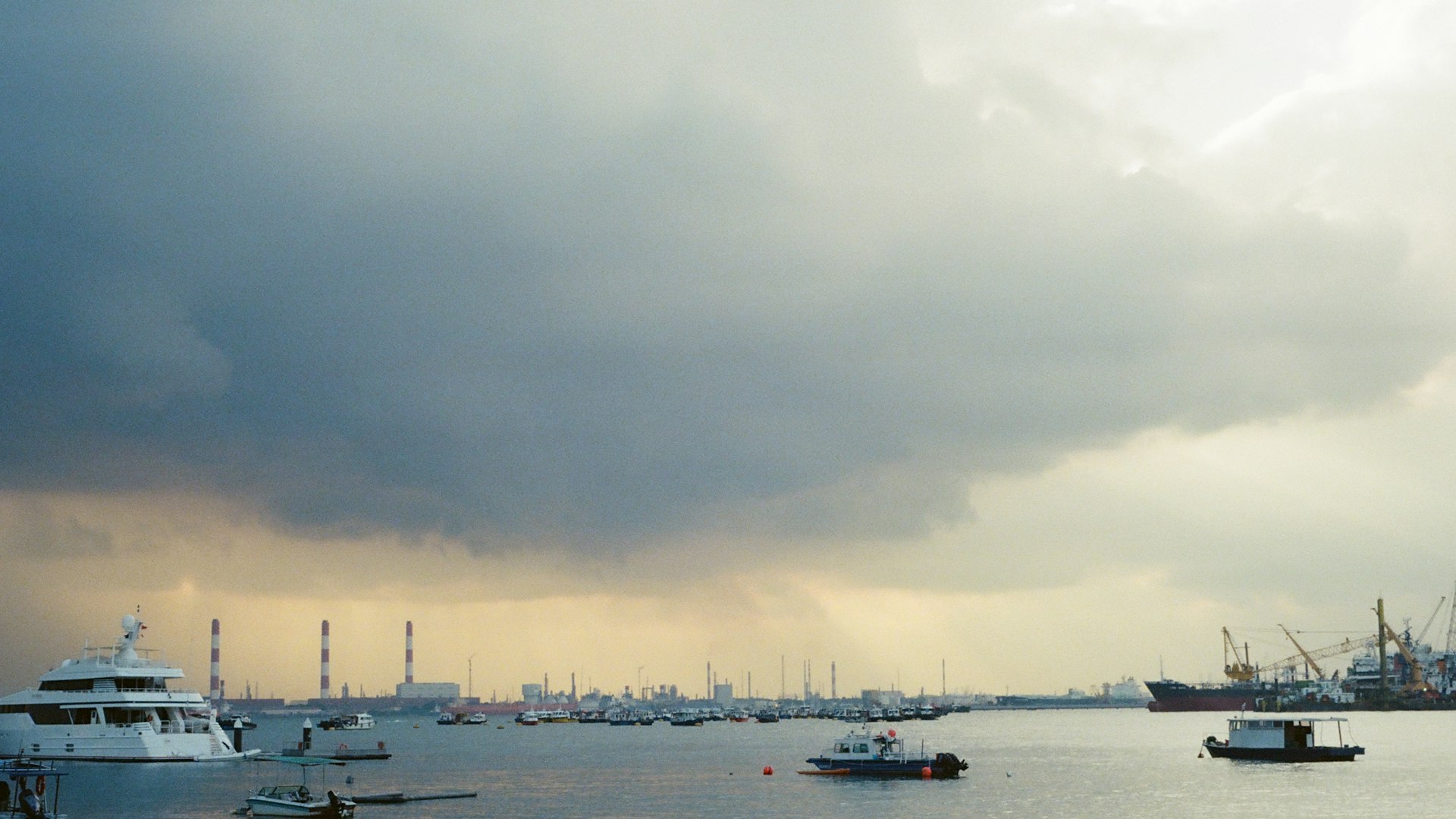
Singapore Yacht Charters
Singapore sits at the confluence of the Strait of Malacca and the South China Sea, giving charterers immediate access to the Indonesian Riau Archipelago, the Johor coastline, and some of the most culturally layered waters in South-East Asia. This is city-based charter done properly — marina berths within sight of a global skyline, with open sea thirty minutes away.
Charter by Vessel Type
Catamaran Charter in Singapore
Spacious twin-hull vessels offering stability, comfort, and generous deck space for the ultimate charter experience.
Browse Catamarans →
Sailing Yacht Charter in Singapore
Classic sailing vessels that combine timeless elegance with the thrill of wind-powered adventure.
Browse Sailing Yachts →
Motor Yacht Charter in Singapore
Powerful luxury vessels delivering speed, sophistication, and effortless cruising across any waters.
Browse Motor Yachts →
Available Yachts in Singapore

Crewed Catamaran Lagoon 400
Lagoon 400 · 2013
Price on request
View →
Crewed Sailing Yacht Classic Sailing Yacht
Classic Sailing Yacht · 2001
Price on request
View →
Crewed Catamaran Lagoon 620
Lagoon 620 · 2011
Price on request
View →
Crewed Catamaran Sunreef 62
Sunreef 62 · 2011
Price on request
View →Few charter destinations offer the contrast Singapore does. You can spend a morning in Keppel Bay Marina watching container traffic navigate the world's second-busiest port, then be anchored off a near-empty island in the Riau Archipelago by early afternoon. The city-state itself occupies just 733 square kilometres, but its geographic position — flanked by Malaysia to the north and Indonesia to the south — puts an extraordinary range of cruising ground within practical reach of a week's charter.
Charter here tends to attract clients who want more than a conventional sailing holiday. Singapore is a base for business travel, a culinary destination in its own right, and a gateway to waters that most Western charterers have never explored. The combination of world-class marina infrastructure, equatorial warmth year-round, and culturally rich island-hopping to the south makes it a genuinely distinctive proposition.
Why Charter in Singapore
The primary draw is the Riau Archipelago — over three thousand Indonesian islands stretching south and east from Singapore's territorial waters. Batam and Bintan are the best-known, but experienced charterers quickly move beyond them to quieter destinations such as Pulau Numbing, Pulau Nongsa, and the Lingga group. The pace drops sharply once you clear Singaporean waters, and the contrast with the city's intensity is part of the appeal.
Singapore's equatorial position means sailing conditions are consistent in character if variable in timing. The Northeast Monsoon (November to March) and Southwest Monsoon (May to September) dictate wind patterns, but the inter-monsoon periods bring light, variable breezes and glass-calm seas ideal for catamarans and leisurely passage-making. Water temperatures hold around 28-30°C throughout the year, making swimming and snorkelling practical on any departure date.
The provisioning and logistics infrastructure is exceptional. Singapore is one of the easiest places in Asia to clear a charter vessel, source quality provisions, and brief crew. Sentosa Cove and Keppel Bay both offer full marina services, and the city's role as a regional hub means parts, fuel, and professional crew are readily available. For charterers combining a business trip with leisure time on the water, no city in the region matches it.
Singapore Highlights
Pulau Ubin — Singapore's last kampung island, reached in under an hour and a world removed from the mainland; mangroves, granite quarry lakes, and Chek Jawa wetlands reward an early morning dinghy excursion.
Nongsa Point, Batam — the closest Indonesian anchorage to Singapore and a practical first night stop after clearing Indonesian customs at Batam Centre; beach clubs, fresh seafood, and a relatively sheltered bay.
Pulau Bintan — the largest island in the Riau group offers a split personality: Tanjung Pinang on the west coast for Chinese shophouses and Indo-Malay street food, and the resort-developed north coast for beaches and watersports.
Pulau Numbing — a quieter overnight anchorage south of Batam with good holding in sand and limited tourist infrastructure; one of the better snorkelling spots accessible from Singapore in a short passage.
Marina Bay and Keppel Bay — arriving or departing under the Singapore skyline at dusk, with the Gardens by the Bay supertrees illuminated and the CBD towers reflected on the water, is a genuinely singular urban sailing experience.
Johor Strait and the Causeway approaches — heading north into Malaysian waters opens access to Johor Bahru's riverfront and the kampung coastline of south Johor; quieter than the Indonesian route and underused by charter vessels.
Sunda Shelf diving — the waters between Singapore and Bintan sit on the Sunda Shelf at depths of 20-40 metres; visibility varies but the reefs around the outer Riau islands support reasonable coral coverage and are dived from the yacht by tender.
When to Sail
Singapore charters are possible year-round given the equatorial climate, but wind reliability and sea state vary considerably between the two monsoon seasons and the calmer inter-monsoon windows in May and October through November.
High Season (Jun-Sep)
The Southwest Monsoon brings the most consistent sailing winds, typically from 210-250 degrees at 10-18 knots across the Singapore Strait and into the southern Riau islands. Seas remain moderate and squalls, while frequent in the afternoons, are usually short-lived. This is the preferred window for charterers who want genuine sailing rather than motoring, particularly those aboard the sailing yacht or the larger Sunreef 62 catamaran. Visibility is generally good and the inter-island passages to Bintan and beyond are well suited to day sails.
Shoulder Season (May, Oct)
The inter-monsoon transitions in May and again in October-November are characterised by light and variable winds, sometimes glassy seas, and elevated rainfall — often heavy but brief. These periods suit charterers prioritising water sports, diving around the Riau reefs, or cultural itineraries where sailing performance is secondary. The Lagoon 400 and 620 catamarans perform well under power in these conditions, and their deck space and stability make them particularly comfortable when the breeze drops. Anchorages are less crowded than during the main Southwest Monsoon months.
Choosing the Right Yacht
The single classic sailing yacht in the fleet offers a different proposition entirely: genuine passage-making character, a more selective itinerary, and a sailing experience that rewards those who want wind in the rig rather than horsepower. During the Southwest Monsoon, the Singapore Strait and outer Riau channels provide enough consistent pressure to justify the choice. Charterers who have already experienced catamaran sailing in the Mediterranean or Caribbean and want something more active will find the sailing yacht an interesting alternative, provided they plan their itinerary around the seasonal winds rather than against them.
Seven Days from Singapore into the Riau Archipelago
A suggested week-long charter route
Board at Keppel Bay Marina in the late afternoon. Provisioning is completed by the crew in advance, but the marina's proximity to the Harbourfront Centre and VivoCity means last-minute additions are straightforward. Depart early evening for a short overnight passage or anchor off Sentosa's southern shore, dining aboard as the city lights settle behind you.
Clear Indonesian customs and immigration at Batam Centre or Nongsa Point — the crew will have arranged the necessary permits in advance. Proceed to Pulau Nongsa for a first afternoon in Indonesian waters. Swim, snorkel the fringing reef, and take dinner ashore at one of the beach warungs if the crew's provisioning allows the flexibility.
Passage south to Pulau Bintan, overnighting at anchor off Trikora Beach on the island's east coast or in the more sheltered bay near Tanjung Berakit. The crossing takes three to four hours under sail in Southwest Monsoon conditions.
Explore Tanjung Pinang by dinghy and local transport. The old Chinese quarter around the waterfront is one of the most authentic town centres in the Riau region — Peranakan shophouses, wet markets, and the floating village at Pulau Penyengat opposite the ferry terminal. Penyengat's ruined Sultan's palace and yellow mosque are worth a half-day.
Sail north to the quieter anchorages off Pulau Numbing or the smaller islands between Batam and Bintan. This is the best day for snorkelling and watersports — the tender, paddleboards, and snorkelling equipment come into their own here. Sunset at anchor with no other vessels in sight.
Return passage towards Singapore, stopping at Nongsa Point or the Batam waterfront for a final Indonesian dinner. Clear outbound formalities in the afternoon. The crew will have coordinated the Indonesian departure paperwork with the port agent.
Re-enter Singapore waters in the morning, clearing MPA formalities before a final few hours at anchor off Pulau Ubin or the Eastern Johor Strait. Return to Keppel Bay by late afternoon for disembarkation, with time for a final meal ashore in the city before evening flights.
Local Tips
- •Indonesian customs and immigration for the Riau islands require a port agent to arrange cruising permits (CAIT/PPKK) well in advance of departure — your SelectYachts broker will confirm lead times, but six to eight weeks is a safe minimum for first-time arrangements. Crew should hold the relevant paperwork for the vessel and all guests.
- •Provisioning in Singapore is among the best in Asia. Cold Storage, Jason's Market Place, and the wet markets at Tekka Centre and Maxwell Road all offer quality produce. The crew will handle this, but charterers with specific dietary requirements should communicate them clearly at the briefing stage — halal, vegan, and high-end Japanese provisions are all readily available.
- •Marina Bay Sands and Clarke Quay are within easy reach of Keppel Bay by taxi or ride-hailing app, but the food culture most worth exploring is at street level. The hawker centres at Lau Pa Sat, Newton Circus, and the East Coast Lagoon Food Village offer a far better introduction to Singaporean cuisine than any hotel restaurant.
- •Weather windows for the Riau crossing can close quickly during the inter-monsoon periods. Squalls develop rapidly in the afternoons, and the Singapore Strait carries significant commercial traffic that requires careful situational awareness. Skippers with local knowledge are strongly recommended — the fleet's professional captains will assess conditions on the day.
- •Tipping culture differs between Singapore and Indonesia. In Singapore, a 10% service charge is typically included in restaurant bills. In Indonesian anchorages and at local warungs, rounding up generously is appropriate and appreciated. Crew gratuities follow international yachting norms.
- •Mobile and data connectivity is excellent throughout Singapore and in the main Batam and Bintan towns, but drops off significantly in the outer Riau anchorages. Charterers who need to remain contactable should discuss satellite communication options with the crew at briefing.
Frequently Asked Questions
Do I need a visa to sail from Singapore into the Riau Islands+
What sailing experience is needed to charter in Singapore+
How far are the best anchorages from Singapore+
Is Singapore a good base for corporate or group charter+
What is the water temperature and are wetsuits needed+
Can I combine a Singapore charter with time in Malaysia or further into Indonesia+
Speak with a SelectYachts broker to match the right vessel to your Singapore itinerary and confirm availability for your preferred dates.
Request Your Charter