Indian Ocean Yacht Charters

Indian Ocean Yacht Charters

From the reef-fringed atolls of the Maldives to the granite boulders of the Seychelles and the spice-port anchorages of Zanzibar, the Indian Ocean rewards charterers who plan with precision and sail with patience.

The Indian Ocean is not a single destination but a collection of distinct island nations, each with its own sailing character, entry requirements, and cultural register. What connects them is scale: long blue-water passages between island groups, warm water temperatures year-round, and an absence of the over-charted congestion found in the Mediterranean or Caribbean. For charterers prepared to commit to a proper voyage, the rewards are considerable.

SelectYachts operates across the principal Indian Ocean charter zones, including the Maldivian atolls, the inner and outer islands of the Seychelles, Mauritius and Rodrigues, the Mozambique Channel, and the Tanzanian coast with Zanzibar and Pemba. Our fleet spans catamarans ideally suited to shallow-draft atoll cruising, long-range motor yachts capable of open-ocean passages, and blue-water sailing yachts for those who want the wind to do the work. Budgets range from accessible to fully bespoke, with weekly rates reflecting the extraordinary range of vessels and territories on offer.

Why Charter in Indian Ocean

The Indian Ocean's principal advantage over more trafficked charter grounds is genuine remoteness. In the Maldives, it is still possible to anchor off uninhabited atolls within an hour of Male without seeing another vessel. In the Seychelles outer islands, Aldabra and the Amirantes remain difficult to reach by any means other than a well-found yacht or liveaboard. That inaccessibility is precisely the point: the destinations that require effort to reach tend to preserve what draws people there in the first place.

The underwater environment is another serious draw. The Indian Ocean contains some of the world's most intact coral ecosystems. Manta ray aggregations at North Malé Atoll cleaning stations, whale shark encounters off Ningaloo and along the Mozambique Channel, and dense reef fish communities throughout the Seychelles offer diver and snorkeller passengers experiences that are difficult to replicate elsewhere. A charter yacht provides the flexibility to be at a dive site at first light, before day-trip boats arrive, and to move on when conditions change.

Culturally, the Indian Ocean basin is among the most layered regions on earth. A Zanzibar charter brings guests into contact with Swahili stone-town architecture, Arab trading history, and some of East Africa's most refined cuisine, all within sailing distance of marine parks where dugong and dolphin are resident. The Seychelles creole table, Maldivian fish-centred cooking, and Mauritian Sino-Franco-Indian food culture mean that provisioning and shoreside dining are meaningful parts of the itinerary, not afterthoughts.

Indian Ocean Highlights

1

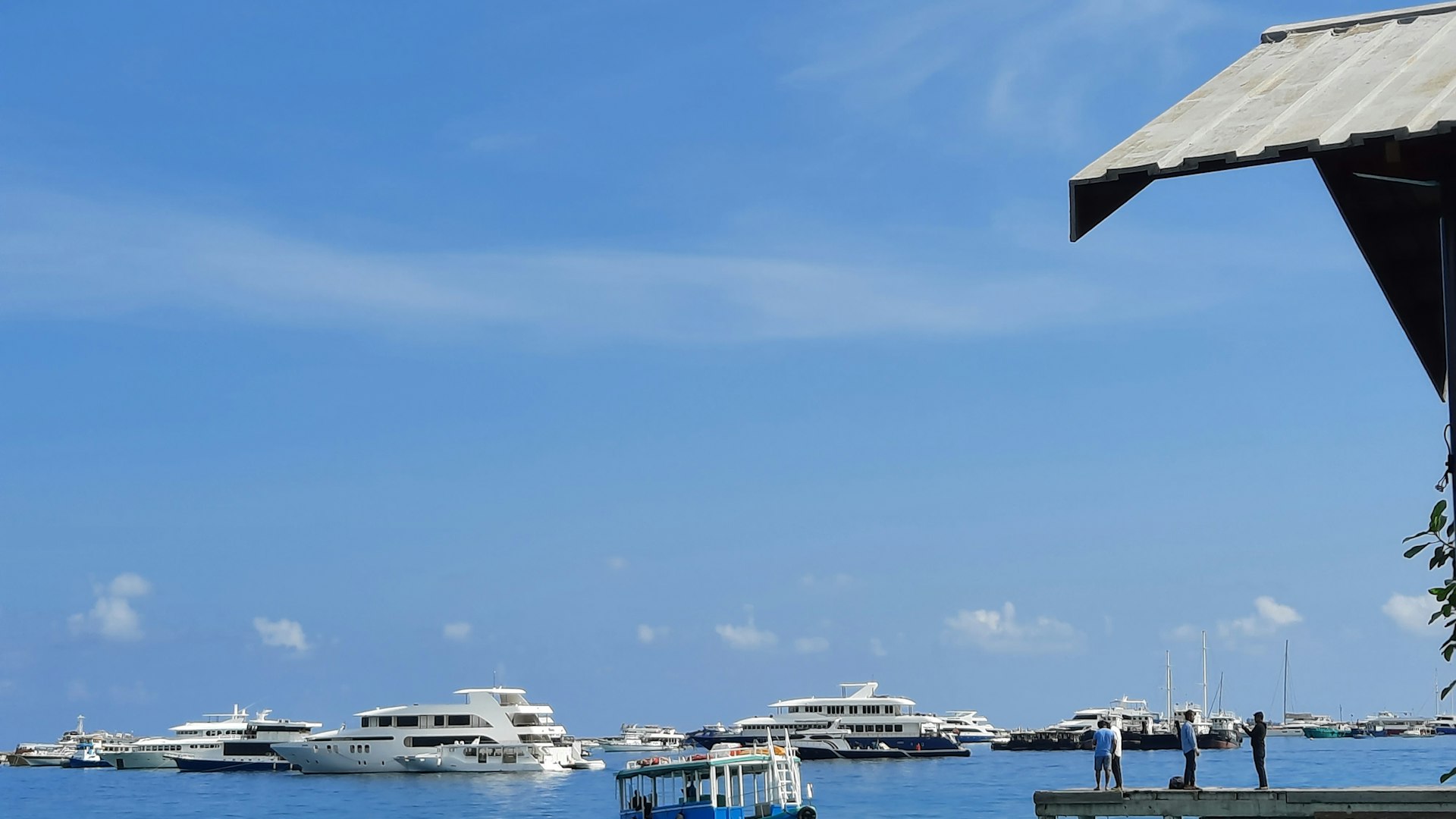
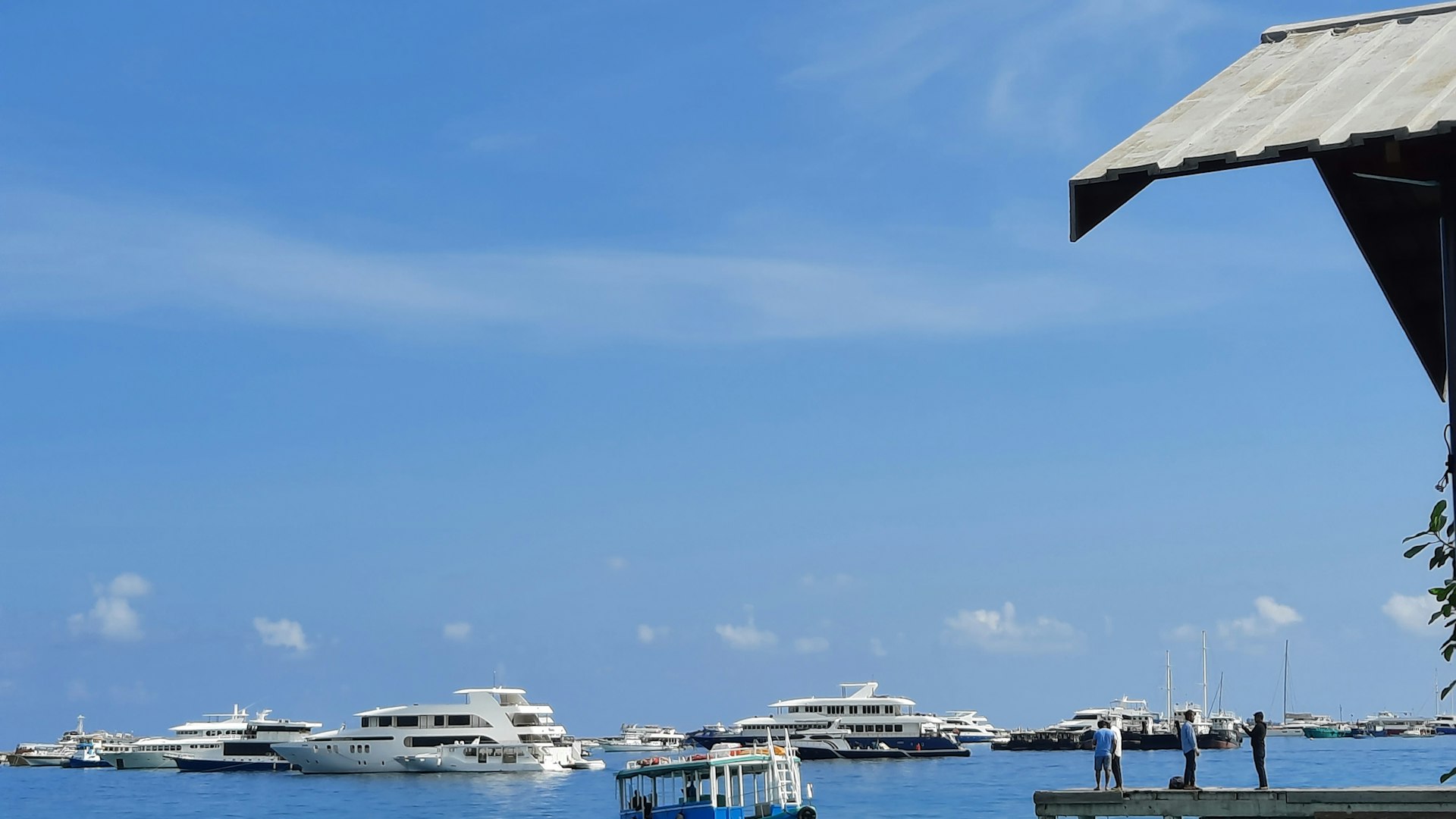
North Malé Atoll, Maldives: reef-sheltered anchorages within an hour of Velana International Airport, with manta ray cleaning stations at Lankan Finolhu and consistent overwater clarity that makes the snorkelling productive from the swim platform alone.

2

Aldabra Atoll, Seychelles outer islands: a UNESCO World Heritage site and one of the world's largest raised coral atolls, home to 150,000 giant tortoises and accessible only to vessels with the appropriate permit and a capable skipper - reached on a multi-day offshore passage from Mahé.

3

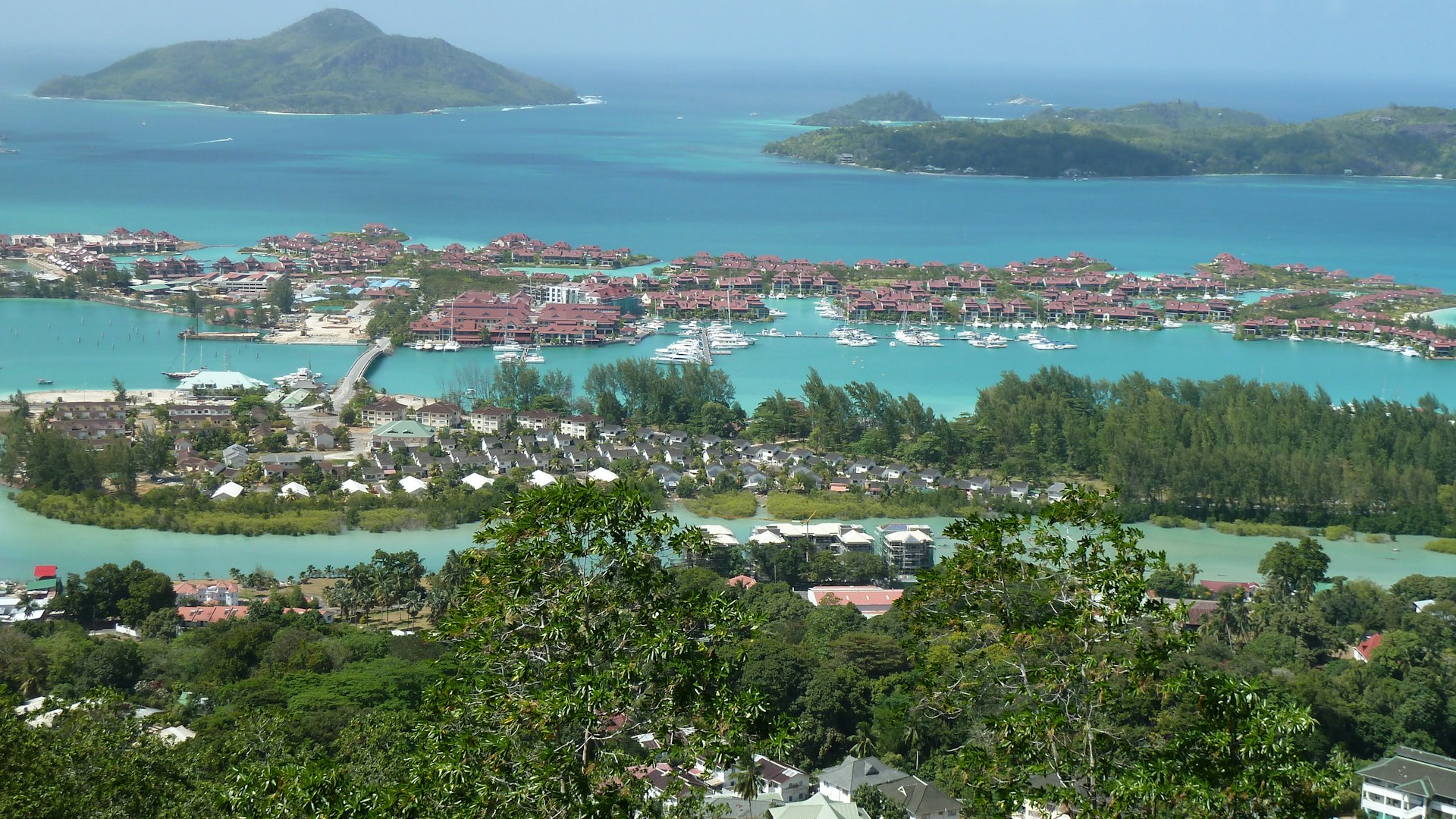
Praslin and La Digue, Seychelles inner islands: granite boulder beaches at Anse Source d'Argent and the Vallée de Mai Coco de Mer palm forest, within easy day-sail range of each other in typically benign inner-island conditions.

4

Zanzibar Archipelago, Tanzania: Stone Town's UNESCO-listed labyrinth of carved doors and coral-rag buildings, combined with the marine parks of Mnemba Atoll and Pemba's vertical wall dives, make this one of the most complete charter itineraries in the region.

5

Quirimbas Archipelago, Mozambique: 250 kilometres of largely uncharted mangrove channels, sandbar anchorages, and historic Portuguese island settlements stretching north from Pemba to the Tanzanian border - serious blue-water territory with minimal boat traffic.

6

Rodrigues Island, Mauritius: 600 kilometres east of Mauritius proper, Rodrigues sits within a vast lagoon enclosed by a near-continuous barrier reef. Fishing villages, the Port Mathurin fish market, and empty anchorages in the lagoon's southern bight reward the passage from Mauritius.

7

Baa Atoll, Maldives: designated UNESCO Biosphere Reserve and the seasonal aggregation site for manta rays and whale sharks between May and November, with channels that funnel plankton-rich water and the attendant megafauna into predictable, diveable locations.

When to Sail

The Indian Ocean operates on two monsoon systems that vary by sub-region; there is no single best season for the entire ocean, which is why experienced charterers plan around the specific territory they intend to sail rather than a generalised calendar.

High Season (Jun-Sep)

The southwest monsoon (Kaskazi in Swahili) brings reliable 15-25 knot trades to the western Indian Ocean from June through September. This is peak season for sailing yachts in the Seychelles and along the East African coast, where the consistent breeze makes for excellent passages. The Maldives sees its drier, calmer period from December through April rather than mid-year; June to September is the southwest monsoon there too, bringing rougher seas and reduced visibility in the atolls. Seychelles and Tanzania are at their best from June to September. Mauritius is pleasant but can be windier.

Shoulder Season (May, Oct)

May and October are transition months between monsoons and can offer the most interesting sailing conditions: lighter, variable winds that allow motor-sailers and catamarans to range more freely between island groups without committing to a wind-dependent route. Water clarity is often excellent before the monsoon stirs up sediment. These months suit charterers who want flexibility in routing and are comfortable with the occasional calm day under engine. October in particular is a strong Maldives window before the northeast monsoon fully establishes.

Choosing the Right Yacht

Catamarans dominate Indian Ocean charter fleets for good reason. Shallow-draft hulls are essential for navigating the Maldivian atolls, where bommies and sandy bars demand measured approach at low tide, and for anchoring in the protected lagoons of the Seychelles inner islands without swinging dangerously close to reef. The wide beam provides stability at anchor in swell-affected outer anchorages, and the flybridge deck gives guests a practical vantage point for spotting coral heads during close-in navigation. Fountaine Pajot models have become a standard in the Maldives partly because their draft and layout suit the territory so well. For the East African coast and Tanzania, larger performance catamarans or long-range motor yachts make sense for covering distances between Zanzibar, Pemba, and the Quirimbas efficiently.

Seven Days in the Seychelles Inner and Outer Islands

A suggested week-long charter route

Day 1

Embark at Eden Island Marina, Mahé and depart south through the St Anne Marine Park. Anchor off Cerf Island for the first night, taking dinner aboard with fresh market produce collected from the Victoria central market before departure. The St Anne Marine Park's calm inner waters are a suitable shakedown for the crew and guests to settle aboard.

Day 2

Sail northeast toward Praslin, approximately 44 nautical miles from Mahé on a typically favourable southeast trade. Arrive at Anse Possession anchorage by early afternoon. Arrange a guided visit to the Vallée de Mai to see the endemic Coco de Mer palms and the rare black parrot before returning aboard for sundowners.

Day 3

Morning snorkel at the reef off Curieuse Island, then motor southeast to La Digue. Hire bicycles ashore and ride to Anse Source d'Argent via the L'Union Estate coconut plantation. The granite formations here are photographed worldwide but retain their scale and weight in person. Anchor off the northeast coast for a quieter night.

Day 4

Passage day southwest to the Amirantes Group, approximately 220 nautical miles. This is an offshore passage best undertaken on a motor-sailer or capable catamaran with range; depart pre-dawn and arrive at Desroches Island by the following morning. The passage crosses deep, clean water with good fishing off the transom.

Day 5

Desroches Atoll day: the reef here drops steeply on the outer edge, offering wall dives to 30 metres with grey reef sharks and large pelagics. The interior lagoon is shallow enough for paddleboarding. The island has no permanent population beyond the resort; the anchorage on the western lee is well sheltered in southeast trades.

Day 6

Explore the southern Amirantes, moving between Marie Louise and Alphonse atolls as conditions allow. Alphonse is a world-class bonefishing destination; those with rods aboard should arrange a guided wade-fishing session on the flats. The lagoon channel at Alphonse runs fast on the tide, providing productive drift dives.

Day 7

Return passage north toward Mahé, sailing overnight to arrive for disembarkation at Eden Island mid-morning. The northeast return passage on a broad reach in consistent 12-18 knot southeast trade is among the more comfortable overnight sails in the region, with manageable swell and a well-defined rhumb line.

Local Tips

  • Customs and cruising permits in the Maldives require advance application through the Maldives Customs Service and Coastguard; work with your captain and SelectYachts at least six weeks ahead of departure. Entering atoll waters without the correct documentation risks vessel detention. The Seychelles CICO (Customs, Immigration, Coast Guard and other authorities) clearance in Mahé is straightforward but must be completed before moving between island groups.
  • Provisioning quality varies sharply between destinations. Mahé's Victoria market and the supermarkets on the waterfront are well-stocked with local fish, tropical produce, and imported European dry goods. In the Maldives, provisioning is best done in Male before departure into the atolls; resupply in the outer islands is limited and expensive. In Zanzibar, the Darajani Market is excellent for fresh fish and spices but requires early arrival before the best produce is taken.
  • The northeast monsoon (Irma) in the Maldives, which runs roughly December through April, brings the calmest seas and best underwater visibility of the year. Plan dive-focused charters during this window. The southwest monsoon from May brings swell from the open ocean and reduces vis in the atolls to as little as 10 metres in some locations.
  • Tipping culture across the Indian Ocean territories reflects the crew's background: in Tanzania and Mozambique, gratuities for local crew and guides are expected and meaningful, while Maldivian and Seychellois crews follow broadly international norms. The accepted guideline of 10-15% of the charter fee applies, adjusted for service quality and length of charter.
  • For charter in Tanzanian waters, a cruising permit from the Tanzania Maritime Authority is required, and the Zanzibar Revolutionary Government issues separate permits for the archipelago. Most experienced Indian Ocean skippers carry the contacts and forms to arrange this before arrival, but charterers should confirm the paperwork trail with their captain well in advance.
  • Marine conservation rules are stringent and actively enforced across the region. In the Maldives, anchoring on reef is prohibited; use sand anchoring only and brief your guests before any water entry. Touching or riding marine megafauna, including manta rays and whale sharks, carries fines under Maldivian law. The Seychelles' outer island zones have their own zoning rules under the Seychelles Islands Foundation. Compliance is non-negotiable and good seamanship.

Frequently Asked Questions

Do I need to sail between the Maldives and the Seychelles on the same charter+
No, and for most charters it would be impractical. The Maldives and Seychelles are roughly 2,000 nautical miles apart; combining them in a single charter week is not feasible. Both destinations are self-contained charter territories with enough range within their own island groups to fill a week or two comfortably. If you want to experience both, plan consecutive charters with a repositioning gap, or ask us about longer blue-water passages with experienced offshore crews.
Are the Indian Ocean charter destinations suitable for families with children+
The Maldives and Seychelles inner islands are particularly well suited to families. Calm lagoon anchorages, warm shallow water, and the novelty of snorkelling with reef fish and turtles from the swim platform hold children's attention reliably. The outer island passages and East African coastal itineraries involve longer offshore legs and can produce uncomfortable swell; these are better suited to experienced sea travellers or older children comfortable aboard a moving vessel.
What type of yacht works best in the Maldivian atolls+
Catamarans are the practical first choice. The atolls require vessels with a draft of under two metres for anchoring in the inner lagoons, and the wide beam of a catamaran provides a stable, comfortable platform in the swell that builds in the exposed channels between atolls. Several of the catamarans in our Indian Ocean fleet have been operated in the Maldives for multiple seasons and their skippers have detailed local knowledge of safe passages and anchorages that do not appear on standard charts.
How far in advance should I book an Indian Ocean charter+
For peak Maldives season, which runs from December through April, and for the Seychelles high season from June through September, enquire at least four to six months ahead. The best-maintained vessels in productive anchorage zones fill early. Longer itineraries involving outer island permits, such as Aldabra or the Quirimbas, require additional lead time for official clearances and permit applications that cannot be expedited.
Is the Indian Ocean a good destination for serious sailors rather than purely motor charter clients+
Emphatically yes, for the right territories. The Seychelles trade wind passage between Mahé and the Amirantes, the long northeast monsoon reaches in the Maldives, and the Mozambique Channel in settled conditions are all genuinely rewarding passages for experienced sailors. The Indian Ocean is not a light-air destination; the southeast trade can blow 20-25 knots steadily for days, and outer island itineraries demand seamanlike passage planning. Those looking for a structured sailing challenge rather than lagoon drifting will find it here.
What should guests eat that they cannot find elsewhere+
In the Maldives, mas riha (tuna curry with coconut and curry leaf) and garudhiya, the clear tuna broth eaten with rice and fresh lime, are the defining dishes of the local table. In Zanzibar, the Forodhani night market on the seafront serves Zanzibari pizza and freshly grilled seafood with tamarind sauce that is worth anchoring the itinerary around. In the Seychelles, ladob, a coconut-milk pudding of breadfruit or plantain, and fresh-caught capitaine poached with turmeric are the standout local preparations. Ask your provisioning agent or captain to source ingredients locally rather than defaulting to imported provisions.

Tell us your preferred territory, travel dates, and group size and we will put together a shortlist of Indian Ocean yachts suited to your itinerary within 24 hours.

Request Your Charter

Request Your Charter

Tell us about your dream voyage and we will find the perfect yacht for you.