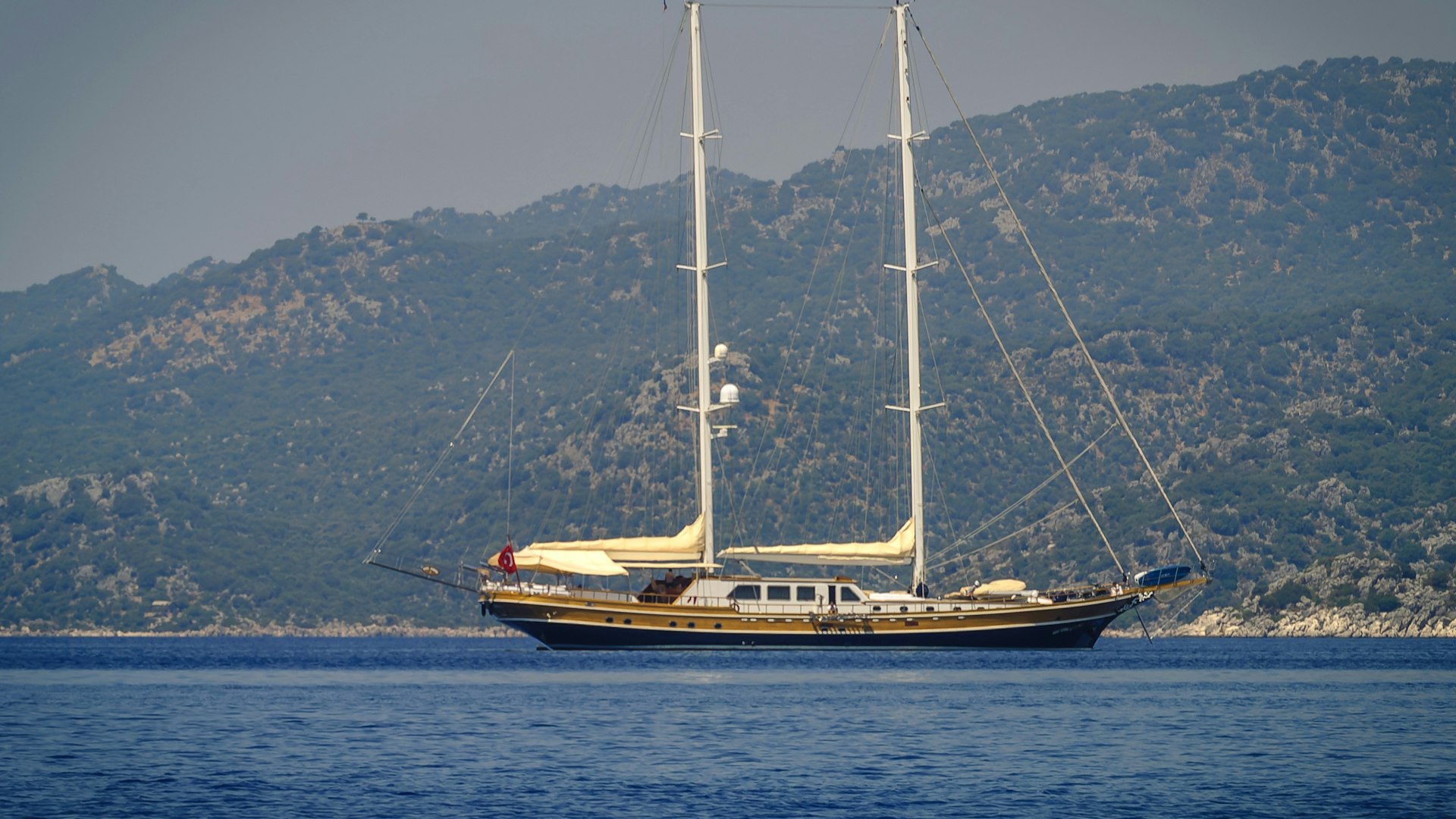
Turkey Yacht Charters

Turkey Yacht Charters

From the sheltered coves of the Bozburun Peninsula to the ancient harbours of Lycia, Turkey's Aegean and Mediterranean coastline offers over 1,700 kilometres of serious sailing territory with a fleet depth few destinations can match.

Turkey's southwestern coast, broadly known as the Turkish Riviera or the Turquoise Coast, runs from Çeşme in the north to the Syrian border in the east, but the heartland for yacht charter sits between Bodrum and Antalya. This stretch condenses an unusual density of experience: Byzantine ruins directly above deep-water anchorages, working fishing villages within a short sail of well-provisioned marinas, and a culinary culture sophisticated enough to reward genuine curiosity. It is a coast that repays multiple visits without repeating itself.

The charter infrastructure here is mature and genuinely world-class. Bodrum, Marmaris, Göcek and Fethiye each operate large, well-maintained marina facilities capable of handling everything from a 12-metre sailing yacht to a 51-metre custom gulet. Provisioning is straightforward, diesel and water readily available, and the network of day-trip anchorages and overnight stops is dense enough that no two weeks need look alike. Charterers returning for a second or third visit frequently reroute entirely.

Why Charter in Turkey

The sailing conditions in Turkey's prime charter window are defined by the Meltemi, a northerly wind system that builds through the Aegean from late June onwards. On the open Aegean this can be demanding, but within the gulfs and along the lee of the peninsulas, it translates into reliable afternoon sailing breezes that cool the cockpit without disrupting an itinerary. The Gökova Gulf, tucked between the Bodrum Peninsula and the Datça headland, is particularly well-suited, with steady 15-20 knot northerlies offering brisk reaching conditions before you tuck into a pine-fringed bay for the evening.

The anchorages themselves vary from communal charter favourite to genuinely remote. Cleopatra's Island (Sedir Adası) draws attention for good reason, but the upper reaches of Gökova, the Bozburun Peninsula's eastern inlets, and the stretch of Lycian coast between Göcek and Kaş offer quiet overnight spots where the primary sound is cicadas. The freedom to move between social harbours and isolated bays within a single week is part of what makes Turkey unusually versatile.

The cultural layer adds meaningful texture. Turkey's Aegean and Mediterranean coasts were the core of ancient Lycia, Caria and Ionia, and the archaeology is accessible directly from the water. You can anchor within swimming distance of the partially submerged ruins at Kekova, row a tender to the Lycian rock tombs above Dalyan, and still be back on board for a lunch of freshly caught sea bream before noon. This is not a backdrop; it is an integral part of what you are sailing through.

Turkey Highlights

1

Göcek and its twelve islands: Skirt the Göcek archipelago for a combination of calm overnight anchorages, good holding in the bays around Tersane Island, and easy provisioning at Göcek town marina.

2

Kekova Roads: Sail the channel between Kekova Island and the Lycian shore, anchor off Üçağız, and swim above the sunken Hellenistic city whose rooflines are still visible through clear water.

3

Bozburun Peninsula: The most characterful corner of the Marmaris region, with narrow fjord-like inlets, traditional boatbuilding yards in Bozburun village, and anchorages at Selimiye and Kumlubükü that remain genuinely quiet even in high season.

4

Kaş: A small, well-organised town with a working harbour, excellent seafood restaurants along the waterfront, and superb wreck diving at the Bronze Age Uluburun shipwreck site nearby. The Greek island of Kastellorizo is a 45-minute sail from here.

5

Datça and the Datça Peninsula: The long, narrow land mass dividing the Aegean from the Mediterranean proper, with Datça town offering a useful overnight stop and the ancient city of Knidos at its tip providing a remarkable combination of ruins and open-sea sailing.

6

Ölüdeniz Lagoon: The lagoon itself is a protected area where anchoring is restricted, but the bay outside is a usable overnight stop and the backdrop of the Babadağ mountain rising to 1,969 metres directly from the coast is genuinely arresting. Worth timing for a morning visit before the paragliders take over the sky.

7

Bodrum Harbour and Bodrum Castle: The Castle of St Peter, built by the Knights Hospitaller in the 15th century and now housing the Museum of Underwater Archaeology, sits directly above the harbour. Bodrum town has a well-developed marina and is the primary base for the gulet fleet.

When to Sail

Turkey's primary sailing season runs from May to October, with July and August representing the peak for warm water and reliable wind, though shoulder months offer the best balance of conditions, crowd levels and value.

High Season (Jun-Sep)

Water temperatures reach 26-28°C by July, the Meltemi is consistent and the evenings are warm enough to sleep on deck. Marinas and popular anchorages are at their busiest, particularly around Göcek, Ölüdeniz and Bodrum, so early booking is essential for the best berths and fleet choice. August is the single busiest month, driven by European summer holidays and Turkish domestic demand alike. Those seeking more space should plan their routing away from the headline stops or accept that popular spots require early afternoon arrival to secure a mooring.

Shoulder Season (May, Oct)

May brings settled weather, clear visibility and emptier anchorages before the school-holiday rush. Air temperatures are in the high 20s, the sea is cooler at around 20-22°C but entirely swimmable, and the hillsides are still green. October is arguably the most underrated month: the Meltemi has eased, light southerlies and sea breezes dominate, charter rates ease, and the quality of light along the Lycian coast is particularly good for photography. The main trade-off is that some smaller restaurants and beach establishments begin to close from mid-October onwards.

Choosing the Right Yacht

Turkey is one of the few destinations in the world where the gulet is not simply an option but a genuine first choice for many experienced charterers. These traditional wooden motor-sailors, built in and around Bodrum's yards by builders including Ada Yacht, Aegean Yacht and Bodrum's own craftsmen, offer generous deck space, shaded aft decks configured for socialising, and the kind of shallow draught that allows close access to beach anchorages. A well-specified gulet in the 20-35 metre range suits groups of 8-12 who prioritise communal living and cruising in comfort over sailing performance. Larger custom builds in the 45-51 metre range cater to families or groups requiring more privacy across a greater number of cabins.

One Week from Göcek to Kaş and Back

A suggested week-long charter route

Day 1

Board and brief at Göcek Marina in the afternoon. Sail or motor south into the Göcek archipelago and anchor off Tersane Island for the first night. The Byzantine church ruins above the waterline are worth a short walk before dinner on board.

Day 2

Morning swim, then west through the Gulf of Fethiye towards Ölüdeniz Bay. Arrive before midday to secure a mooring in the outer bay. Afternoon ashore in the village or a tender trip along the lagoon edge. Return to the bay for sunset.

Day 3

East along the Lycian coast with the wind typically on the beam. Lunch anchor in one of the quieter bays near Patara beach, whose 18-kilometre sand shore is visible from the water. Continue to Kalkan for an overnight stern-to berth at the small harbour and dinner at one of the rooftop restaurants above the old town.

Day 4

A short passage to Kaş, arriving mid-morning. Afternoon for town exploration, the small Lycian sarcophagus in the main square, and an optional dive briefing for the following morning at Uluburun. Good fish restaurants on the quay for dinner.

Day 5

Morning sail across to Kekova Roads. Anchor off Üçağız and take the tender into the village for a lunch of gözleme and locally caught fish. Afternoon snorkelling over the sunken city in the channel. Overnight at anchor in the protected bay behind Kekova Island.

Day 6

West towards the Göcek islands via Gemiler Island (St Nicholas Island), where the 5th-century Byzantine church complex is accessible by a short scramble. Anchor in Günlüklü Bay or Boynuzbükü for a final quiet night away from marinas.

Day 7

Morning return to Göcek Marina for handover. Allow time to provision in the town market for gifts if departing the same day, or request a late checkout and spend a final morning swimming off the transom platform.

Local Tips

  • Turkish Transit Logs are required for foreign-flagged yachts entering Turkish waters. Your charter company will arrange this before departure, but ensure your passports are submitted well in advance as the process involves formal registration with the coast guard. Overstaying the permissions outlined in the log carries significant fines.
  • Provisioning is best done in Bodrum, Marmaris or Göcek before departure rather than in smaller harbours along the way. The weekly markets in these towns, known as pazar, typically run Tuesday to Saturday depending on the town, and offer the best quality fresh produce, olives, cheeses and dried goods. Haggling is acceptable but not obligatory.
  • The Turkish breakfast tradition, known as kahvaltı, is worth replicating on board even if your cook is not Turkish. White cheese, tomatoes, cucumbers, olives, eggs and bread form the standard spread, and it sets a better tone for a sailing day than anything brought from a northern European supermarket.
  • Marina etiquette in Turkey favours early afternoon arrival at popular stops. By 14:00 in high season, the best berths and anchorage spots are often taken. Building this into your routing planning is more effective than hoping for space on arrival.
  • Fuel in Turkey is priced at pump rates set nationally, but marinas add handling fees that vary. Confirm the per-litre rate and the handling charge before filling, particularly at smaller private marinas around Fethiye and Kaş where pricing is less standardised.
  • Respect for modest dress when visiting mosques, market towns and inland villages is both culturally appropriate and practically useful for avoiding awkward encounters. A light cover-up for women and long trousers for men kept in the day bag is all that is needed. The coastal towns are entirely accustomed to charter guests, but moving even a short distance inland changes the social context noticeably.

Frequently Asked Questions

Do I need a Turkish cruising permit to charter in Turkish waters+
Yes. All foreign-flagged yachts, including commercially chartered vessels, require a Turkish Transit Log issued by the coast guard. For most charters, the operator handles this before embarkation, but you will need to submit crew and guest passport details in advance. EU and UK citizens do not require a visa for stays up to 90 days, but check current bilateral agreements before travel.
Can I sail from Turkey to the Greek islands on the same charter+
A combined Turkey-Greece itinerary is operationally possible but requires advance planning. You will need to clear out of Turkish waters formally at a port of exit such as Bodrum, Marmaris or Kaş, and complete Greek entry formalities, typically at Rhodes or Kastellorizo. Some charter contracts restrict cross-border passages, so confirm with your broker before designing a split routing. Insurance and flag-state permissions also need to be checked.
What is a gulet and is it a good choice for first-time charterers+
A gulet is a traditional Turkish wooden motor-sailor, typically ketch-rigged and built along the Bodrum coast. Modern gulets range from modest 18-metre vessels to fully custom 51-metre superyacht-class builds with air-conditioned cabins, water makers, and professional crew of 4-8. For groups of 6-12 who want generous communal space, shaded deck areas and easy movement around a generous aft cockpit, a well-specified gulet is an excellent first charter choice. It requires no sailing experience from guests and suits itineraries at a relaxed pace.
What is the typical crew arrangement on a Turkish charter yacht+
Most crewed charters in Turkey include a captain and cook as a minimum, with additional deckhands on larger vessels. Gulets of 20 metres and above typically carry 3-4 crew. The cook is a significant part of the experience; Turkish charter cooks are generally skilled, and discussing dietary preferences before departure and provisioning accordingly will materially improve your on-board meals. Crew gratuity is conventional and not included in the charter fee; 10-15% of the base charter rate is a reasonable guide for a satisfied group.
What are the best anchorages in Turkey for privacy away from busy charter routes+
The Bozburun Peninsula, the upper reaches of Gökova Gulf towards Çökertme, and the bays around Datça's eastern shores are consistently quieter than the Göcek-to-Kaş corridor. In August, even quiet anchorages can fill by mid-afternoon, so routing a day or two into less-chartered areas such as the Gulf of Hisarönü or the inlets north of Marmaris will noticeably reduce boat density. Discussing this with your skipper before departure is the most effective approach.
How far in advance should I book a Turkey charter+
For July and August, especially gulets and larger crewed yachts, booking 6-12 months ahead is advisable. The best-specified vessels and the most experienced crews are taken early by repeat clients. Shoulder season bookings in May, June and October can often be arranged on a 6-8 week lead time, though specific models and routing preferences are best secured earlier. If you have a fixed group size or require specific accessibility features, earlier engagement with a broker allows more tailored matching.

Speak with a SelectYachts broker to match your group size, preferred routing and budget to the right yacht from our Turkey fleet.

Request Your Charter

Request Your Charter

Tell us about your dream voyage and we will find the perfect yacht for you.