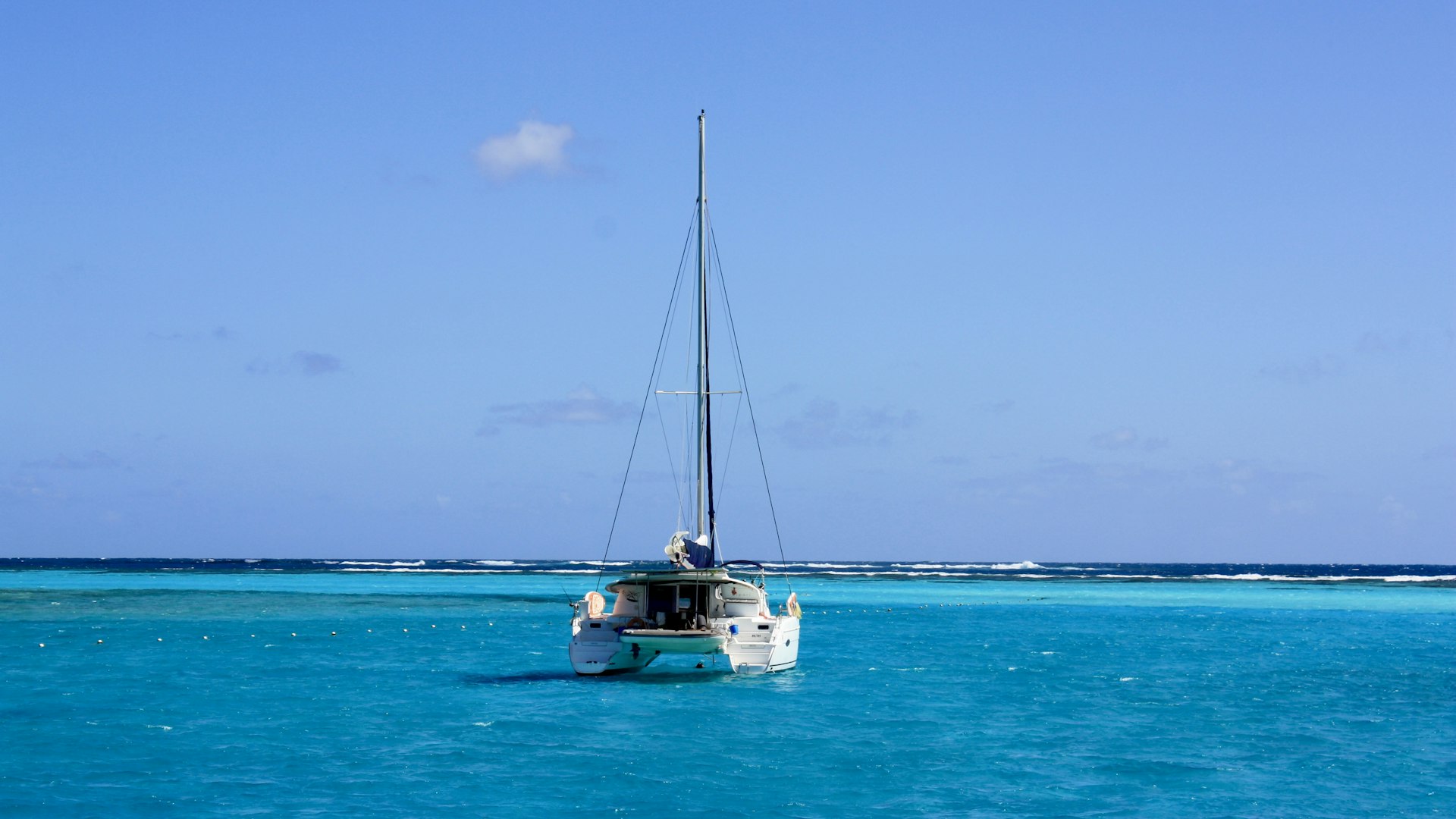
Catamaran Charter Turkey
Turkey's Aegean and Mediterranean coastline rewards catamaran charterers with protected bays, reliable summer winds, and a depth of history that makes every anchorage worth exploring on foot. From the pine-backed coves of the Bozburun Peninsula to the ancient harbour walls of Kas, the cruising ground is genuinely exceptional.
Catamarans Available in Turkey
Browse our selection of catamarans available for charter in Turkey.

Bareboat Catamaran Broadblue 385
Broadblue 385 · 2005
From
€2k/week

Bareboat Catamaran Lagoon 421
Lagoon 421 · 2013
From
€3k/week

Bareboat Catamaran Lagoon 450
Lagoon 450 · 2013
From
€4k/week

Bareboat Catamaran Lagoon 421
Lagoon 421 · 2012
From
€4k/week

Bareboat Catamaran Bali Catspace
Bali Catspace · 2020
From
€4k/week

Bareboat Catamaran Lagoon 450
Lagoon 450 · 2012
From
€4k/week

Bareboat Catamaran Lucia 40
Lucia 40 · 2016
From
€6k/week

Bareboat Catamaran Lagoon 400 S2
Lagoon 400 S2 · 2012
From
€6k/week

Bareboat Catamaran Winnie
Lagoon 400 · 2012
From
€7k/week

Bareboat Catamaran AMELIA
Bali 4.6 · 2025
From
€7k/week

Luxury Crewed Catamaran MUS 3
Fountaine Pajot Alegria 67 · 2023
From
€32k/week
Other Vessel Types in Turkey
The Turkish coast stretches for roughly 8,000 kilometres, but the charter grounds between Bodrum and Antalya compress the best of it into a manageable, richly varied cruising circuit. Limestone karst drops directly into turquoise shallows, Byzantine ruins sit a short dinghy ride from your stern, and the local seafood markets in places like Datça and Göcek give provisioning a pleasure rarely found elsewhere in the Mediterranean.
For catamaran charterers specifically, Turkey offers something that single-hull sailors often cannot access: the shallow-draught advantage. Dozens of the most desirable coves along the Bozburun and Datça peninsulas, around the Gulf of Fethiye, and inside the Kekova Roads have depths that exclude deeper-keeled monohulls entirely. A well-chosen cat opens the full map.
Why Charter in Catamaran charter in Turkey
The Meltemi wind is Turkey's defining seasonal feature, arriving reliably from the north-northwest between mid-June and early September. It builds through the afternoon and eases at night, which suits charterers who prefer calm mornings for swimming and exploring, then brisk sailing in the afternoon. On the Datça and Bozburun peninsulas, the Meltemi is well-channelled by the topography and rarely exceeds Force 5 in the main season, making it appropriate for a wide range of crews.
Infrastructure along this coastline has matured considerably. Göcek Marina, Marmaris Yacht Marina, and Bodrum's Milta Marina all offer full-service berths with reliable shore power, water, and provisioning. The so-called 'Turquoise Coast' has a network of smaller gulet-style jetties and paying anchorages that cater specifically to blue-water visitors, so you are never truly off the grid even when anchoring away from the main hubs.
Beyond sailing mechanics, the cultural density sets Turkey apart. A single week can take you past Lycian rock tombs at Kekova, through the old Ottoman bazaar streets of Bodrum, and to a lunch table on a working fishing quay where the day's catch is priced on a chalkboard. Catamarans, with their generous deck space and stable platform, are particularly well suited to a group that wants to combine serious sailing with genuine immersion in what lies ashore.
Catamaran charter in Turkey Highlights
Kekova Roads and Uçağız: Sail slowly through submerged Lycian ruins visible through the hull netting, anchor off the village of Uçağız for lunch, and pick up a buoy near Tersane island for the night. A genuinely irreplaceable anchorage.
Göcek and the twelve islands: The Gulf of Fethiye shelters a collection of wooded islands that offer protected overnight anchorages in almost any wind direction. The town itself has a good provisioning market and several reliable restaurants on the waterfront.
Bozburun village: A working boatbuilding harbour that has retained its character despite becoming a popular charter stop. The gulet yards are still active, and the Tuesday market is worth timing a passage around.
Datça Peninsula approach from the west: The channel between the peninsula and Knidos is one of the most satisfying daysails on the coast, with consistent 15-20 knot conditions and the ruins of ancient Knidos visible from the water as you round the cape.
Ölüdeniz lagoon from seaward: The Blue Lagoon is best approached by catamaran early morning before the day-tripper boats arrive. Anchor outside the lagoon boundary or pick up a managed buoy; the paragliders launching from Babadağ mountain above give the anchorage an unusual visual energy.
Marmaris town and the castle: An overnight berth in Marmaris allows access to the restored 16th-century Ottoman castle, the covered bazaar lanes behind the marina, and some of the best provisioning opportunities on the coast for a longer passage.
Tersane island, Gulf of Hisarönü: A sheltered overnight anchorage in a narrow inlet used historically as a repair yard. The ruins of Byzantine and Ottoman marine infrastructure are clearly visible on the shoreline, and the holding is good in 4-6 metres over sand.
When to Sail
The Turkish Aegean and Mediterranean charter season runs effectively from late April to early November, with the core summer months bringing the most reliable winds but also the most traffic. Shoulder months offer a meaningful trade-off worth understanding before you book.
High Season (Jun-Sep)
The Meltemi blows consistently from June onwards, averaging Force 3-4 with regular afternoon peaks of Force 5 particularly in exposed channels like the Datça Peninsula approaches. Water temperatures reach 26-28°C by August, and anchorages in popular spots such as the Göcek islands and Ölüdeniz fill early in the day. Booking preferred berths in advance through the marina is sensible. Visibility is exceptional, and long daylight hours (sunset around 20:30 in July) allow generous passages.
Shoulder Season (May, Oct)
May and October are arguably the most rewarding months for experienced charterers. Winds are lighter and more variable, the sea is calm enough for snorkelling at almost any hour, and anchorages that become uncomfortable in July's afternoon Meltemi are peaceful throughout the day. Water temperature in May sits around 20-22°C - cool but swimmable. October brings the first hints of the sirocco and occasional short-lived fronts, but settled spells are long. Provisioning markets are at their best in both months, and local restaurants are running at full quality without the midsummer pressure.
Choosing the Right Yacht
Catamarans are the most practical choice for a Turkish charter, and the reasoning goes beyond comfort. The coastline rewards shallow draught consistently: anchorages inside the Kekova Roads, along the inner shores of the Göcek islands, and in several of the Bozburun creeks are accessible only to yachts drawing under 1.5 metres. A Lagoon 400 or Fountaine Pajot of equivalent size typically draws around 1.1-1.2 metres and passes through all of them without compromise. The wide beam also means the cockpit and saloon remain genuinely liveable during the midday heat, which in August along this coast is a practical consideration rather than a luxury one.
Seven Days on the Turquoise Coast, Göcek to Marmaris
A suggested week-long charter route
Board and provision in Göcek Marina. Briefing, system checks, and an afternoon sail south across the Gulf of Fethiye to anchor off Tersane island. The passage takes around two hours under sail in typical afternoon conditions. Swim, settle, and cook on board for the first evening.
Motorsail south through the Fethiye-Marmaris channel to the Gulf of Hisarönü. Turn east into Bozburun village for a lunch stop and a walk through the boatbuilding yard. Continue to anchor in Serçe Limanı (Sparrow Harbour), a naturally protected inlet with good holding and complete quiet after dark.
Sail west out of the Gulf of Hisarönü and round the Datça Peninsula to Knidos. Allow six hours for the passage if conditions are favourable. Anchor in the small bay beside the ruins of ancient Knidos and take the dinghy ashore for the afternoon. The site is rarely crowded after 16:00.
Day sail to Datça town for provisioning, fuel, and a proper lunch ashore. The waterfront tavernas serve grilled sea bass and locally caught squid. Afternoon passage east to anchor in one of the Bozburun coves for the night.
Early start and sail north into the Gulf of Fethiye, passing through the Göcek islands group. Choose an anchorage on Göcek Adası or Domuz island depending on wind direction. A relaxed day for swimming, snorkelling, and paddleboarding.
Full day sailing east toward Ölüdeniz. Anchor outside the lagoon by 09:00 to secure a position before the day traffic builds. Afternoon, continue east or return west depending on the charter plan. Dinner ashore in Ölüdeniz village.
Return passage to Göcek Marina with a morning stop at the Göcek town market if timing allows. Final swim off the boat, tidy ship, and handover. The marina has a reliable taxi service to Dalaman airport, approximately 40 minutes by road.
Local Tips
- •Turkish transit logs and customs: All foreign-flagged yachts require a valid transit log obtained from Turkish customs on arrival. Your charter base will arrange this, but ensure passports for all crew are available at departure. Overstaying or missing a port check-in can attract meaningful fines.
- •Provisioning priorities: Göcek town market on Friday mornings is the best single provisioning stop on the western coast. For the Gulf of Antalya end of the coast, Kaş market on Fridays is equally well-stocked with local produce, olives, cheeses, and fresh fish. Buy meze components here rather than relying on marina chandleries.
- •Marina reservations in July and August: Popular marinas including Göcek, Marmaris, and Bodrum Milta fill their visitors' berths quickly during peak weeks. Reserve in advance through the charter base or directly with the marina. Failing that, identify your fallback anchorages before you need them.
- •Water depth and anchoring etiquette: Much of the Turkish coast has excellent holding over sand and weed, but several popular coves now have regulated anchoring zones or mooring buoy systems to protect posidonia seagrass. Using managed buoys where provided is both considerate and increasingly enforced by coastal patrol vessels.
- •Cuisine and local etiquette: It is considered polite to order at least a drink if you tie to a restaurant jetty for the afternoon, and most establishments along the charter coast expect this as the unspoken arrangement. The food is generally worth it: fresh mezze, pide, and grilled fish served with local Aegean olive oil are consistently good at working quayside restaurants rather than marina-facing tourist operations.
- •Currency and payment: Most marina fees and provisions can be settled by card, but smaller harbours, market stallholders, and fuel suppliers in out-of-the-way anchorages often prefer cash in Turkish lira. Exchange rates from marina ATMs are generally reasonable. Do not exchange currency at the airport.
Frequently Asked Questions
Do I need a skipper licence to charter a catamaran in Turkey+
What is the best base port for a catamaran charter in Turkey+
Can I sail from Turkey to Greece on a catamaran charter+
How many guests can a catamaran in Turkey comfortably accommodate+
What should I budget beyond the base charter fee+
Is Turkey suitable for novice charterers on a catamaran+
Speak to our charter team to find the right catamaran for your Turkish itinerary, whether that is a compact four-berth for two couples or a larger model for a group of twelve.
Request Your Charter