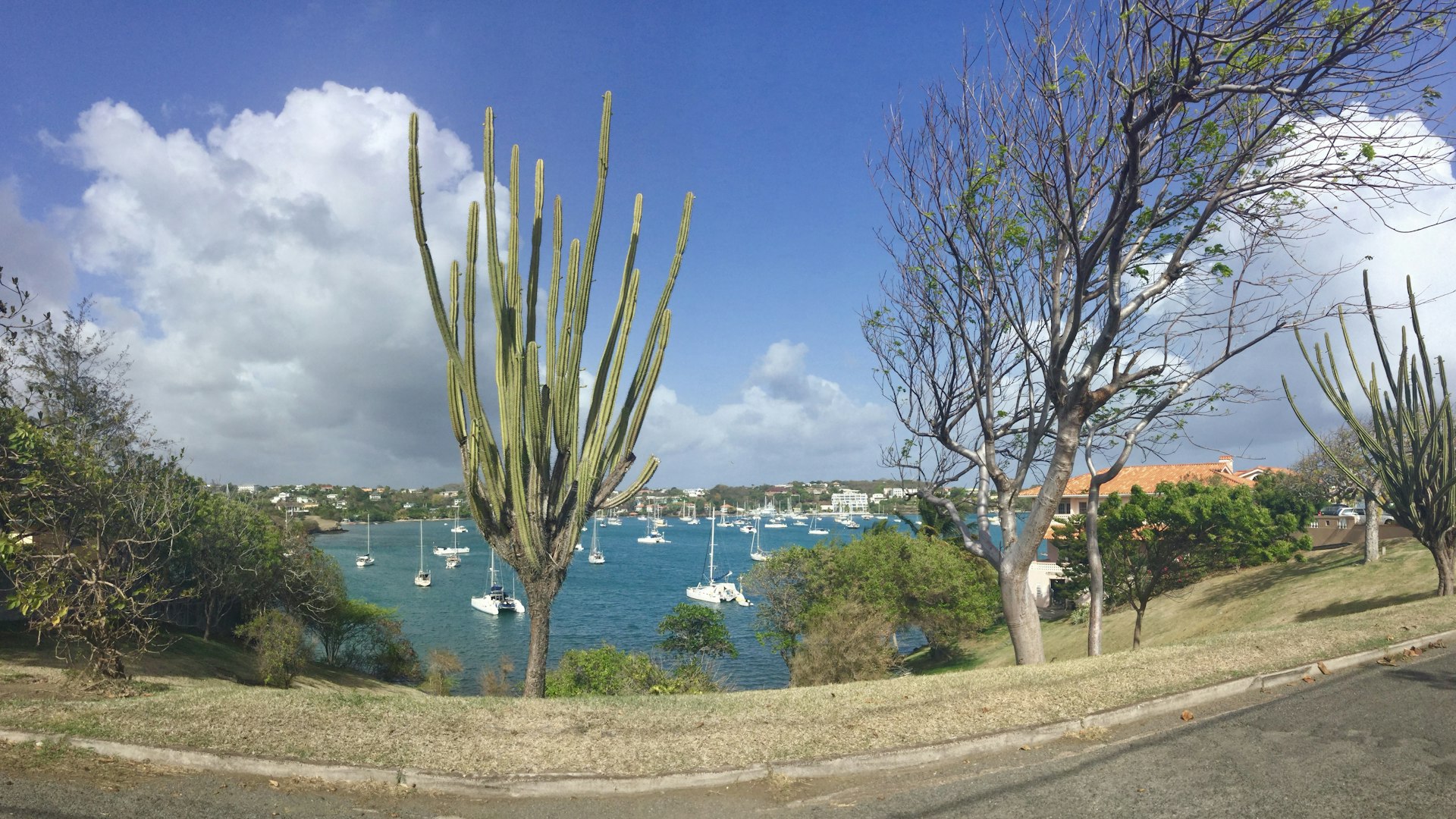
Leeward Islands Yacht Charters

Leeward Islands Yacht Charters

From the sailing grounds off Antigua to the volcanic peaks above Guadeloupe, the Leeward Islands offer some of the Atlantic's most consistent trade-wind sailing — steady 15-25 knot north-easterlies, short inter-island passages, and a cultural range that shifts register every forty miles.

The Leewards stretch roughly 250 nautical miles from the Virgin Islands passage south to Dominica, taking in Anguilla, Saint-Martin/Sint Maarten, Saint Barthélemy, Saba, Sint Eustatius, Saint Kitts, Nevis, Antigua, Barbuda, Montserrat, and Guadeloupe. Each island has its own administrative identity, currency zone, and anchoring culture, which means a two-week circuit genuinely feels like multiple distinct voyages compressed into a single logistically coherent trip.

What distinguishes the Leewards from the Windwards to the south is the relative predictability of conditions: the north-east trades funnel reliably through the arc between December and June, rarely generating the squall activity that complicates sailing further south. Passages between islands rarely exceed 30-50 nautical miles, which keeps schedule pressure low and allows itineraries to breathe. This is a region where experienced charterers often prefer to slow down rather than tick every island off a list.

Why Charter in Leeward Islands

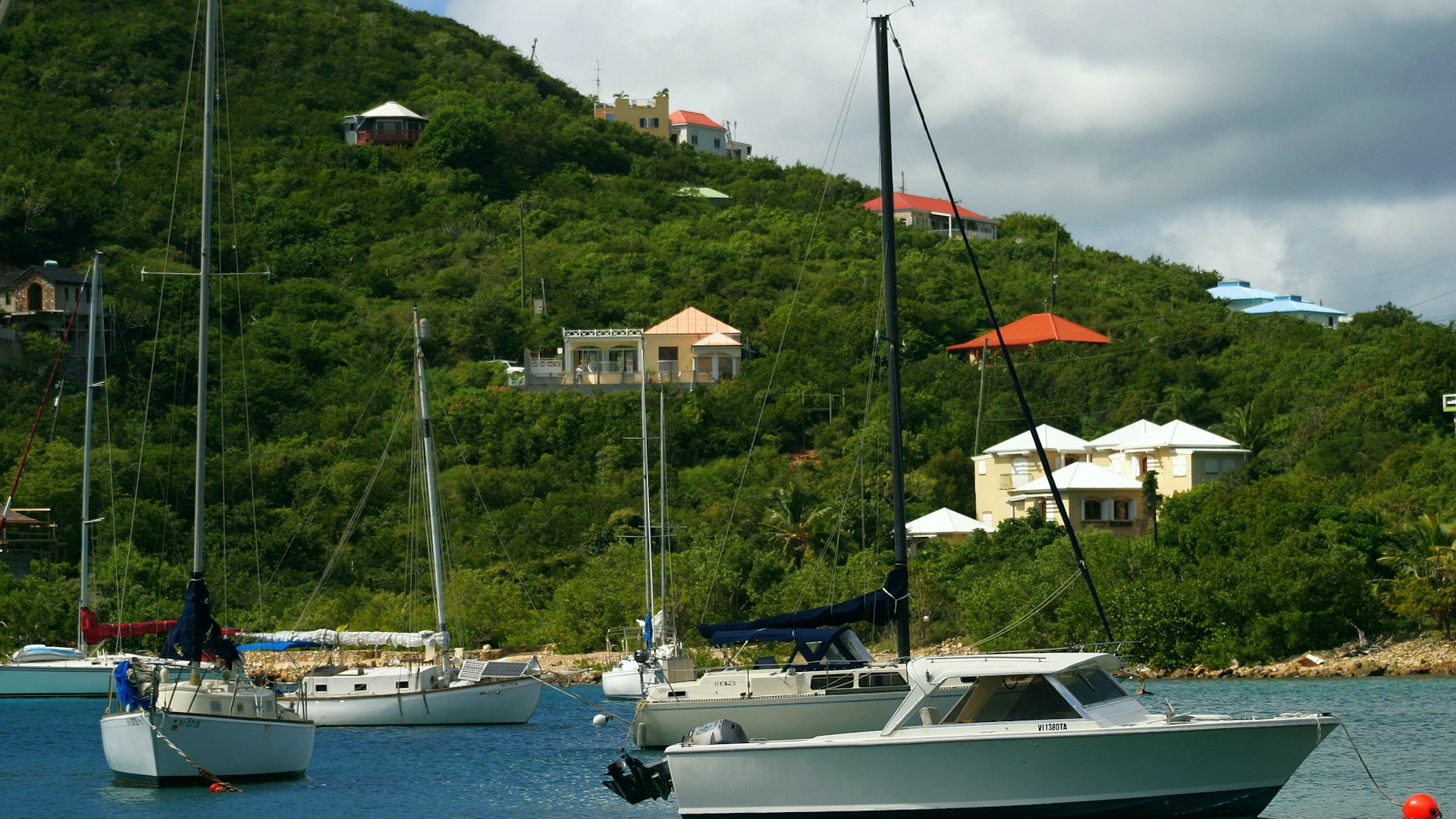
The diversity of anchorages across a compact arc is arguably unmatched in the Caribbean. Within a single week you can swing on the hook in the crystalline, reef-fringed waters off Barbuda's Cocus Bay, nose into a French marina on the Sint Maarten lagoon, and anchor stern-to a black-sand beach in Guadeloupe's Îles des Saintes — three completely different environments, none requiring a passage of more than a day's sailing.

Provisioning and logistics are unusually strong for a sailing ground of this scale. Gustavia in Saint Barthélemy and Marigot on Saint-Martin operate to a standard that would not feel out of place in the Mediterranean: serious wine merchants, charcuterie, fresh-baked patisserie, and reliable fuel docks. Antigua's English Harbour carries arguably the best-stocked chandlery in the Eastern Caribbean and hosts the full range of charter infrastructure, from crew placement agencies to refit yards. For charterers who care as much about what happens off the boat as on it, this matters.

The cultural spread is real, not cosmetic. French, Dutch, British, and formerly Danish influences have produced genuinely different built environments, food traditions, and social tempos across islands that sit within easy sight of one another. Eating at a lolos beach shack in Guadeloupe and dining at a white-tablecloth restaurant in Gustavia the following evening are experiences that belong to different worlds, and a well-planned charter itinerary can move between them without drama.

Leeward Islands Highlights

1

English Harbour and Falmouth Harbour, Antigua — the historic heart of Leeward Islands sailing, framed by restored 18th-century Royal Navy dockyard buildings. Nelson's Dockyard is a working marina with genuine historical depth, not a theme park reconstruction.

2

Îles des Saintes, Guadeloupe — a tight cluster of eight islets off the south coast of Basse-Terre, with the village of Terre-de-Haut offering French Creole cooking, a well-protected bay, and daily ferry trade that clears by evening. The anchorage off Pain de Sucre is one of the most visually compelling in the Eastern Caribbean.

3

Gustavia Harbour, Saint Barthélemy — compact, efficient, and expensive in the best possible sense. The quayside is dense with serious yachts in season; provisioning from AMC or La Rotisserie is genuinely excellent, and the town offers the closest approximation to a Côte d'Azur atmosphere in the Atlantic.

4

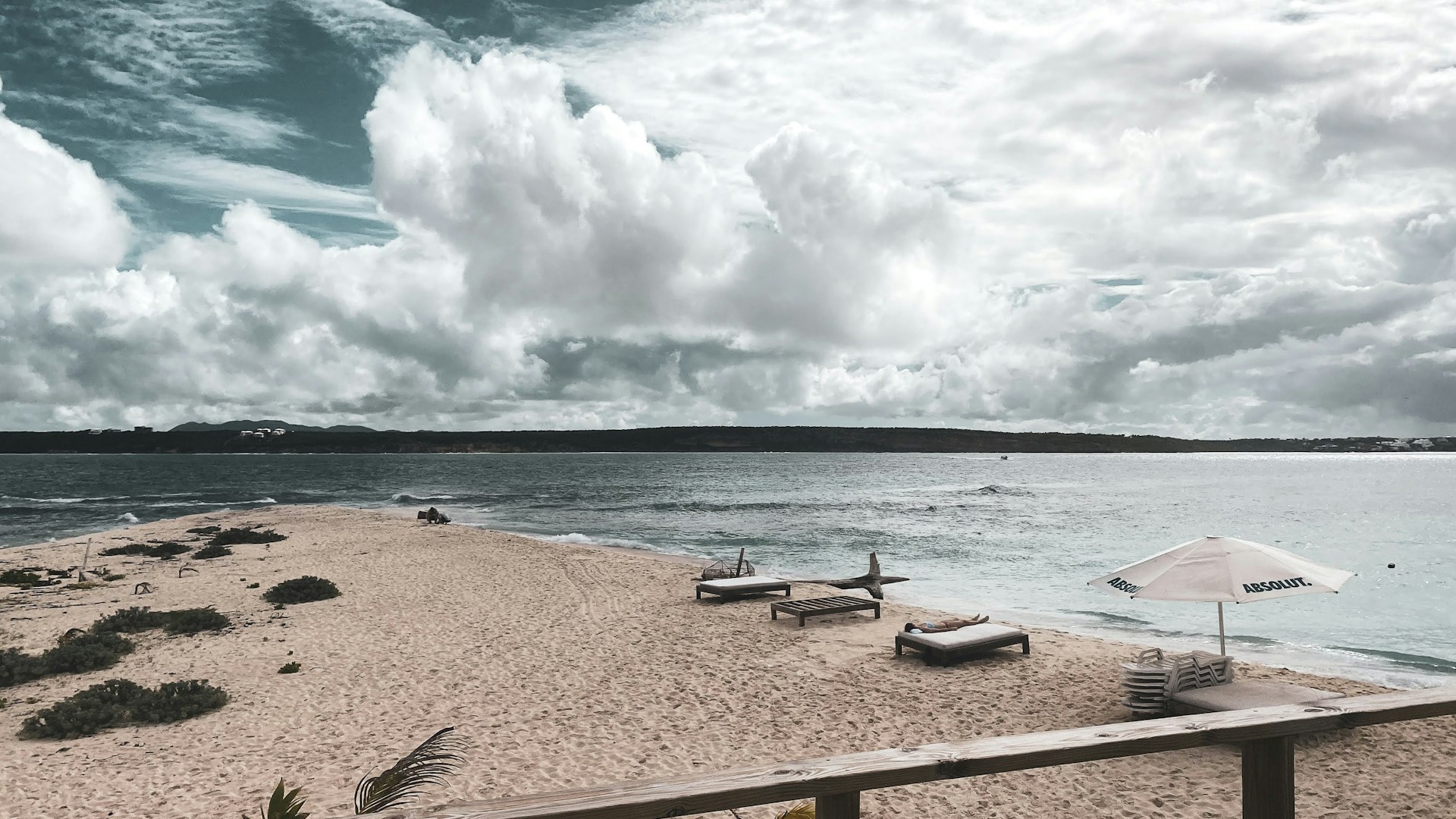
Rendezvous Bay and Road Bay, Anguilla — Anguilla's anchorages reward patience. The island has almost no natural harbours, but the calm leeward coast offers long stretches of pale sand and what is arguably the finest concentration of high-quality, independently run restaurants in the Lesser Antilles.

5

Cocus Bay, Barbuda — lying 28 nautical miles north of Antigua, Barbuda is flat, lightly inhabited, and fringed by extensive shallow-water reefs. The frigate bird colony at Man of War Lagoon is the largest in the western hemisphere. The anchorage requires careful pilotage and a shoal-draft or well-fendered dinghy approach.

6

The Narrows, Saint Kitts and Nevis — the two-mile channel between the companion islands generates reliably accelerated breeze and offers fast, straightforward day-sailing with views of Nevis Peak rising through cloud above the eastern shore. The anchorage at Pinney's Beach is calm, well-protected, and within walking distance of the Four Seasons jetty.

7

Marigot Bay and Simpson Bay Lagoon, Saint-Martin/Sint Maarten — the lagoon is the logistical centre of the northern Leewards: fuel, haul-out, provisioning, and crew all concentrated in a single protected basin. The Dutch side's bridge schedule (opening at specified hours only) is known to every experienced charter skipper and should be factored into passage planning.

When to Sail

The dry season, December through April, represents peak conditions for the Leewards: reliable north-east trades, negligible rain, and flat-to-moderate seas between islands. The summer months bring lighter, more variable winds but also quieter anchorages and lower charter rates.

High Season (Jun-Sep)

Counter-intuitively labelled 'high season' in the schema, the June-September window in the Leewards sits within the Atlantic hurricane season (officially June-November). Activity is statistically concentrated in August and September. Winds are lighter and more easterly than in winter, often 10-18 knots, with periods of calm and afternoon convective squalls. Many experienced charterers avoid the core August-September window. Those who do sail find anchorages noticeably quieter, rates reduced by 20-35% across most vessel categories, and the French islands in particular less crowded. Travel insurance with hurricane provisions is non-negotiable during this period.

Shoulder Season (May, Oct)

May is widely considered the sweet spot for value-conscious charterers: the trade winds are still present (typically 15-20 knots from the north-east), tourist infrastructure is fully operational, anchorages are beginning to clear of the charter peak, and rates have not yet reached their summer lows. October sits at the statistical apex of hurricane risk and requires careful monitoring; however, some experienced crews use it to access Antigua Sailing Week aftermath conditions — emptied harbours, provisioned marinas, and calm weather windows that appear between systems. Neither month suits risk-averse first-time charterers.

Choosing the Right Yacht

Motor yachts are a serious choice for charterers whose priority is maximising time ashore rather than passage-making. The inter-island distances are short enough that a motor yacht can cover the entire arc comfortably within a standard week, and marinas at Simpson Bay, Gustavia, and English Harbour have the fuel infrastructure to support them. Monohull sailing yachts attract a specific type of client — those who want the full upwind-tack experience on the Atlantic swell between Antigua and Guadeloupe, or who are targeting Antigua Sailing Week as the centrepiece of their trip. The sailing in the Leewards rewards proper seamanship; charterers with the experience to extract it will find the region genuinely engaging under canvas.

Ten Days Through the Northern Leewards — Antigua to Saint-Martin

A suggested week-long charter route

Day 1

Board and provision at English Harbour, Antigua. Spend the afternoon exploring Nelson's Dockyard and Shirley Heights — the latter provides useful orientation across the island's southern coast. Overnight in Falmouth Harbour, which offers better holding and more swinging room than the inner harbour.

Day 2

Sail north-west from Falmouth, rounding Antigua's Five Islands Peninsula before picking up the channel between Antigua and Redonda. A steady beam reach in 18-22 knots brings you to Nevis by early afternoon. Anchor off Pinney's Beach and spend the evening ashore.

Day 3

Motor or sail the two-mile Narrows to Basseterre, Saint Kitts — a straightforward passage but worth timing to avoid the commercial ferry crossing. Basseterre has a modest waterfront with good local cooking; the Brimstone Hill Fortress is worth a half-day ashore.

Day 4

Passage day north-west to Sint Eustatius (Statia). The island has few concessions to tourism and rewards genuine curiosity — the lower town of Oranjestad sits beneath the volcanic cone of The Quill, and the snorkelling over submerged colonial-era walls is unusual. Anchor in the roadstead off Oranje Bay.

Day 5

Short passage west to Saba, the smallest of the former Dutch Caribbean islands. Saba has no beach and no natural harbour — the only mooring is in the open water off Fort Bay, which is exposed to north swells. The island's vertical interior repays a half-day hike; the dive sites off the seamount are among the best in the region.

Day 6

Sail north-east, entering Simpson Bay Lagoon through the Dutch side bridge. Refuel, top up provisions, and use the afternoon to explore the French market at Marigot. The lagoon offers secure overnight berthing and good connectivity for guests joining or departing mid-charter.

Day 7

Day trip or overnight anchor at Saint Barthélemy, 15 nautical miles to the south-east. Enter through the narrow pass into Gustavia and take a stern-to berth if available; alternatively anchor in the outer roads and dinghy in. Dinner ashore is the priority — book ahead in season.

Day 8

Sail the 60 nautical miles south to Guadeloupe's Îles des Saintes. This is the longest leg of the circuit and runs on a broad reach in the trades with the volcanic outline of Basse-Terre building ahead. Arrive Terre-de-Haut in mid-afternoon and take a mooring buoy in the main bay.

Day 9

Rest day at the Saintes. Take the ferry or dinghy across to Ilet à Cabrit for snorkelling, eat a long lunch at one of the waterfront restaurants in the village, and explore the Fort Napoléon above the bay. This is a day for the boat to stop moving.

Day 10

Return north to Antigua, either directly (approximately 65 nautical miles, a full day's sail) or with a stop off Deshaies on Guadeloupe's north-west coast — a well-sheltered anchorage with a working fishing village and a well-regarded botanical garden. Arrive English Harbour for final night aboard and disembarkation the following morning.

Local Tips

  • Customs and immigration formalities are fragmented across the Leewards. Crossing from French Saint-Martin to Dutch Sint Maarten requires no formal clearance; crossing from either to Anguilla (British Overseas Territory) requires a full check-in with passports and boat papers. Keep a dedicated crew file with original ship's papers, certificate of registry, insurance documents, and passport copies for every person aboard — inspections are regular and sometimes thorough, particularly in Antigua.
  • Water usage is a genuine operational consideration throughout the region. Most islands have limited freshwater reserves and desalination costs are passed on at marinas. Vessels with watermakers should run them at sea rather than relying on marina hose connections. English Harbour is an exception with relatively reliable supply, but it is worth confirming current availability on VHF before arrival.
  • The French islands provision at a different standard from their neighbours. For serious wine, cheese, charcuterie, and fresh produce, Plan to stock the boat in Saint-Martin or Saint Barthélemy rather than in Antigua or Sint Maarten. The Match supermarket in Marigot and the small specialist shops in Gustavia are both worth an unhurried hour.
  • Tipping culture varies by island jurisdiction. On French territories (Saint-Martin's French side, Saint Barthélemy, Guadeloupe), service is included by law and additional tipping is discretionary rather than expected. On British and independent islands, the US standard of 15-20% applies in restaurants. Your crew's gratuity — typically 15-20% of the base charter fee — is separate from both.
  • Night passages in the Leewards are broadly straightforward on the main inter-island routes, but the approaches to Barbuda, the Saintes, and the south coast of Guadeloupe all require careful GPS-assisted pilotage in reduced visibility. Coral heads in these areas are not always marked on older electronic charts; cross-reference against Navionics or current SHOM charts for French waters.
  • Antigua's Antigua Sailing Week (late April/early May) draws serious racing fleets from across the Atlantic. Charter yachts without advance berth bookings in English Harbour will struggle for space during the event week; those wanting to spectate from a anchored vantage point can position off the eastern coast of the island with relative ease.

Frequently Asked Questions

Do I need sailing experience to charter in the Leewards+
For a bareboat charter, most operators in the region require a recognised sailing qualification (RYA Coastal Skipper, ASA 106, or equivalent) plus logged offshore experience, particularly for passages to Barbuda or south to Guadeloupe. Charterers without formal qualifications should consider a crewed or skippered charter, which represents the majority of bookings in the higher price brackets. A professional skipper also handles customs clearance across the various island jurisdictions, which simplifies logistics considerably.
What is the best base for a Leeward Islands charter+
Antigua (English Harbour or Falmouth Harbour) is the most practical starting and finishing point for most circuits: it has the deepest charter infrastructure, the most robust provisioning options, and the best air connections from the UK, North America, and continental Europe. Saint-Martin/Sint Maarten is a strong alternative for the northern arc, particularly for clients focused on Saint Barthélemy, Anguilla, and Saba. Guadeloupe's Marina de Rivière-Sens or Pointe-à-Pitre are useful bases for southward circuits toward the Saintes and Dominica.
How far in advance should I book a Leeward Islands charter+
For Christmas and New Year week, 12 months in advance is not excessive for the more sought-after crewed catamarans and motor yachts in the 60-80 foot range — popular vessels at this period are frequently committed well before the previous season ends. Antigua Sailing Week charters follow a similar pattern. For travel outside these peak windows, a 6-month lead time is typically sufficient to access the full range of the fleet, though last-minute availability does exist, particularly in the quieter May and June windows.
Is the Leewards region suitable for families with young children+
Yes, more so than most sailing grounds of comparable range. The inter-island passages are short (rarely more than 6-8 hours under sail), the anchorages are generally calm, and the water temperature sits around 26-29°C year-round. Catamarans with trampolines, shallow-draft tender access, and flat saloon layouts are the obvious choice for families. Islands like Nevis, the Saintes, and Anguilla have beaches suitable for children, and the snorkelling throughout the region is accessible from the surface without specialist equipment.
What currency do I need across the different islands+
The Eastern Caribbean dollar (XCD) is the common currency of the independent and British-associated islands including Antigua, Saint Kitts, Nevis, and Montserrat. Euros are used on French territories (Saint-Martin's French side, Saint Barthélemy, Guadeloupe). Sint Maarten uses the Netherlands Antillean guilder officially, but US dollars are accepted almost everywhere across the Dutch side and indeed throughout most of the Leewards for marina fees, provisioning, and restaurants. Credit cards are accepted at most marinas and larger restaurants; smaller establishments and local markets operate in cash.
Are there cruising permits required for the Leewards+
Requirements vary by jurisdiction. Antigua and Barbuda requires a cruising permit obtainable on arrival at English Harbour. The French territories (Saint-Martin, Saint Barthélemy, Guadeloupe) require standard EU entry documentation for EU nationals and a visa-waiver entry for most other nationalities; no separate cruising permit is required. Each island group requires formal customs and immigration clearance on arrival from a foreign port, and failure to clear properly carries meaningful fines — skippers on bareboat charters should verify current requirements before departure, as they change periodically.

Speak to a SelectYachts charter specialist to build a Leewards itinerary matched to your dates, vessel preference, and the islands that matter most to you.

Request Your Charter

Request Your Charter

Tell us about your dream voyage and we will find the perfect yacht for you.