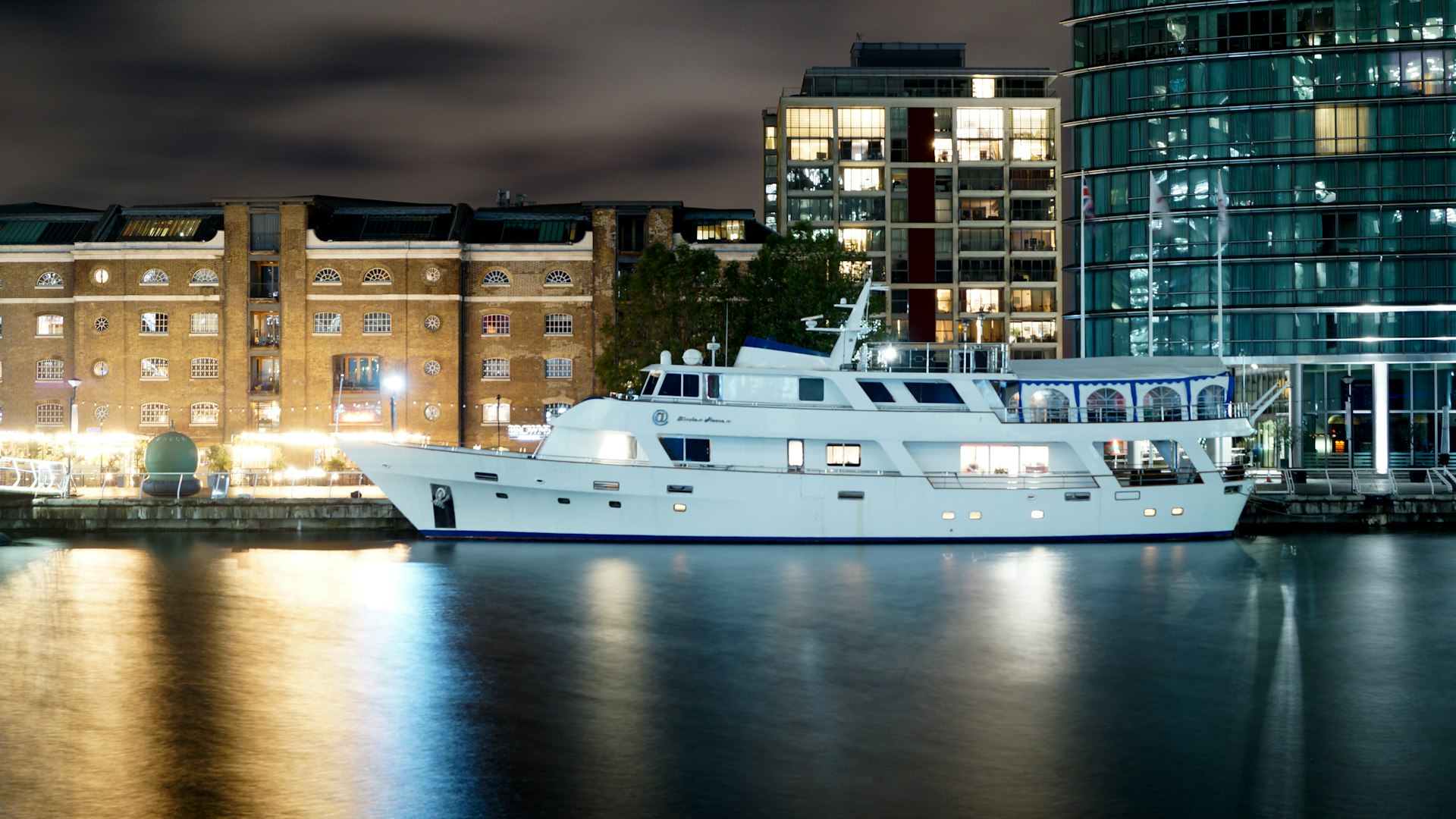
St Barths Yacht Charters
A French collectivity with its own social calendar, St Barths rewards charterers who want sharp cuisine, serious beaches, and reliable Caribbean trade winds within easy reach of Sint Maarten's charter base.
Charter by Vessel Type in St Barths
Catamaran Charter in St Barths
Spacious twin-hull vessels offering stability, comfort, and generous deck space for the ultimate charter experience.
Sailing Yacht Charter in St Barths
Classic sailing vessels that combine timeless elegance with the thrill of wind-powered adventure.
Motor Yacht Charter in St Barths
Powerful luxury vessels delivering speed, sophistication, and effortless cruising across any waters.
Available Yachts in St Barths
St Barths sits at the northern end of the Leeward Islands chain, roughly 35 nautical miles southeast of Sint Maarten/St Martin and 15 miles from the flat salt flats of Anguilla. At just 21 square kilometres, the island packs a remarkable density of distinct beaches, anchorages, and villages into terrain that is genuinely hilly — a remnant of its volcanic origins that creates sheltered bays on one side and exposed Atlantic swells on the other.
The island's French administrative identity is not merely nominal. Gustavia functions as a proper French harbour town, with serious provisions, bonded fuel, and a dining culture that leans demonstrably closer to Lyon than to the wider Caribbean. For charterers arriving from Antigua or Martinique, the cultural coherence of St Barths can feel like a relief — everything works, and the provisioning is exceptional.
Why Charter in St Barths
The trade winds through the Leeward passage run with pleasing consistency between December and April, typically settling at 15 to 20 knots from the east-northeast. This gives charterers a brisk reach down from Sint Maarten and a straightforward return on the same point of sail, depending on timing. The crossing rarely exceeds three hours in a well-found vessel, which means you can leave Marigot Bay after a late breakfast and be anchored off Colombier in time for lunch.
What distinguishes St Barths from other Leeward charter stops is the quality of what awaits ashore. The restaurant scene in Gustavia and Grand Cul de Sac operates at a standard that would hold its own in any European capital — think seared foie gras, proper wine lists, and service that expects you to take your time. The beaches at Gouverneur, Saline, and Colombier are not merely attractive; they have genuine character, whether that is the protected shallows of Anse de Grand Cul de Sac or the dramatic isolation of Colombier, accessible only by boat or a steep trail.
The anchorage at Gustavia harbour itself warrants attention. Superyachts moor stern-to on the quay, but smaller charter vessels can anchor comfortably in the outer roads. The evening ritual of sundowners in the cockpit while watching the parade of tenders from visiting yachts is one of those quietly satisfying Caribbean experiences that no itinerary can fully capture in advance.
St Barths Highlights
Anse de Colombier — accessible only by sea or trail, this north-coast bay offers genuinely good snorkelling over mixed coral heads and a degree of seclusion that is rare in the eastern Caribbean during high season.
Gustavia harbour — stern-to mooring or outer anchorage, with customs and immigration clearance, bonded fuel at La Marine fuel dock, and direct access to the island's best provisioning and restaurant strip.
Anse de Grand Cul de Sac — a protected lagoon on the northeast coast, shallow enough for paddleboarding and kitesurfing, with the reliable Leeward-side breeze funnelling through the surrounding hills.
Gouverneur beach — a south-facing crescent with no beach bars, no jet skis, and noticeably coarser, whiter sand than the island's north-coast alternatives. Worth the dinghy ride from an anchorage near Gustavia.
Le Sereno and surrounding Grand Cul de Sac dining — several restaurants within tender distance of the anchorage serve credible French-Caribbean menus; booking ahead during high season is not optional.
Anse Toiny — the island's exposed Atlantic-facing coast delivers a different character entirely: larger swells, wilder landscape, and a sense of being on the ocean's edge rather than in the sheltered Caribbean.
New Year's Eve in Gustavia — the island hosts one of the most concentrated gatherings of large yachts in the Atlantic basin each year between Christmas and New Year. Securing a berth or anchorage position well in advance is essential; the spectacle alone justifies the logistical effort.
When to Sail
The Caribbean high season from December to April brings the most reliable trade winds and the driest conditions. Outside these months, the island remains sailable but the social scene thins considerably and the risk of squalls increases.
High Season (Jun-Sep)
This period falls within the Atlantic hurricane season, and St Barths sits squarely in the risk corridor. Experienced charterers who do sail June through August typically cite lower costs and uncrowded anchorages as partial compensation, but the uncertainty is real. Wind patterns are less consistent, squalls arrive with less warning, and many of the better restaurants operate on reduced hours or close entirely for August. Charterers with firm travel dates are better served by repositioning to the Mediterranean during these months.
Shoulder Season (May, Oct)
May offers a useful window — the high-season crowds have dispersed, trade winds are still broadly reliable, and the island retains its full commercial infrastructure before the summer lull. Provisioning is excellent and anchorages are significantly less congested than January or February. October is more variable; it sits at the statistical peak of the hurricane season and requires close attention to routing forecasts. Charter parties comfortable with weather flexibility can find October viable, but it is not a month for fixed itineraries.
Choosing the Right Yacht
Given the short inter-island passages and the calm, protected anchorages that characterise most of St Barths' best stops, a catamaran is a highly practical choice for this destination. The twin-hull platform provides a stable platform in the trade wind chop that builds between Sint Maarten and St Barths, and the shallow draft of most performance cats opens up anchorages like Grand Cul de Sac that deeper monohulls cannot comfortably enter. The Leopard 50 suits a group of up to six guests particularly well here, with generous cockpit and flybridge space for the kind of long, sociable lunches at anchor that St Barths implicitly encourages. For charterers considering monohull options on broader Leeward itineraries, a sailing yacht of 50 feet or above handles the 15-to-20-knot reaching conditions well and adds a degree of performance satisfaction that the crossings genuinely reward. That said, in St Barths specifically, where time at anchor matters more than passages, the catamaran's stability and shallow draft remain the more pragmatic arguments.
Seven Days in the Northern Leewards from Sint Maarten to St Barths
A suggested week-long charter route
Embark and provision in Simpson Bay, Sint Maarten. Clear out through the bridge, motor to Marigot Bay for a final French lunch ashore, then depart mid-afternoon on a broad reach south-southeast toward St Barths. Arrive Gustavia by early evening, anchor in the outer roads, and dine aboard as the harbour lights settle in.
Clear customs and immigration at Gustavia first thing. Spend the morning exploring the quayside — the market, the provisioning shops on rue du Roi Oscar II, and the small shell of the old Swedish fort above the port. Lunch at one of the harbourside restaurants before motoring the short distance around the western headland to Anse de Colombier for the afternoon. Anchor here overnight; it is quieter than Gustavia and the snorkelling is better.
An early morning snorkel at Colombier before the day-visitors arrive by trail. Then motor east along the north coast to Anse de Grand Cul de Sac, arriving in time for a late morning swim in the lagoon. Arrange a table at a beachside restaurant for lunch. The afternoon is idle by design: paddleboards, shade, and a long book. Anchor overnight in the lagoon.
Take the dinghy ashore at Grand Cul de Sac for an early breakfast, then raise anchor and make the short run south and around Pointe Milou to Gustavia again, this time for a provisioning top-up and a proper dinner ashore. Book ahead — tables at the better restaurants fill by noon.
A leisurely morning in Gustavia, then depart after lunch northwestward for Anguilla, approximately 40 nautical miles. The trade wind reach is typically fast and comfortable. Arrive Road Bay, Sandy Ground by late afternoon. Clear Anguillian customs before the office closes at 18:00.
Anguilla's Shoal Bay East is among the finest beaches in the Leewards — anchor off the beach by mid-morning and spend the day swimming, lunching at Gwen's Reggae Grill, and exploring the shallow reef to the east of the bay. Return to Road Bay anchorage for the night.
A final early morning run north back to Sint Maarten, arriving Simpson Bay by midday. Clear Sint Maarten customs, and allow the afternoon for a farewell lunch at one of the Marigot waterfront restaurants before disembarkation. The total passage distance for the week is modest — roughly 120 nautical miles — which is precisely the point. St Barths does not reward those in a hurry.
Local Tips
- •Gustavia customs and immigration operates within set hours; arriving late on a Friday can mean a weekend clearance delay. Clear in as early as possible on the day of arrival and ensure all crew passports are accessible. The process is efficient once you are in the queue.
- •Provisioning in Gustavia is exceptional but priced accordingly. AMC supermarket and the market stalls near the port stock French cheeses, charcuterie, and wines at prices that reflect the island's import costs. Budget meaningfully more per person per day than you would elsewhere in the Leewards, and consider it part of the experience rather than an irritant.
- •The anchorage at Gustavia fills rapidly between Christmas and mid-January. Charterers targeting the New Year period should confirm anchorage availability or quay reservations well in advance through their broker. Arriving without a plan on 29 December is not advisable.
- •Gustavia is a free port, which means alcohol and perfume purchased ashore can represent genuine value compared to other Caribbean islands. This also drives demand for day-trippers from Sint Maarten, so popular beaches like Saline can be busy between 10:00 and 15:00; anchoring overnight and enjoying them at dawn or dusk is a different experience entirely.
- •The island's road network is narrow, steep, and designed for small vehicles. If going ashore for a full day, water taxis and rental scooters are more practical than relying on taxis for short hops between beaches. Discuss logistics with the crew or marina before heading ashore.
- •French is the working language, though English is widely understood in hospitality settings. A basic courtesy in French — a greeting, a thank you — is noticed and quietly appreciated, particularly in smaller establishments away from the main Gustavia tourist strip.
Frequently Asked Questions
How far is St Barths from Sint Maarten and how long does the crossing take+
Do I need to clear customs when arriving in St Barths+
What is the best anchorage in St Barths for a catamaran+
Is St Barths worth visiting outside the December to April high season+
How many guests can charter in this destination through SelectYachts+
What should I know about dining ashore in St Barths+
Speak with a SelectYachts charter specialist to arrange your St Barths itinerary and confirm availability on the Leopard 50.
Request Your Charter