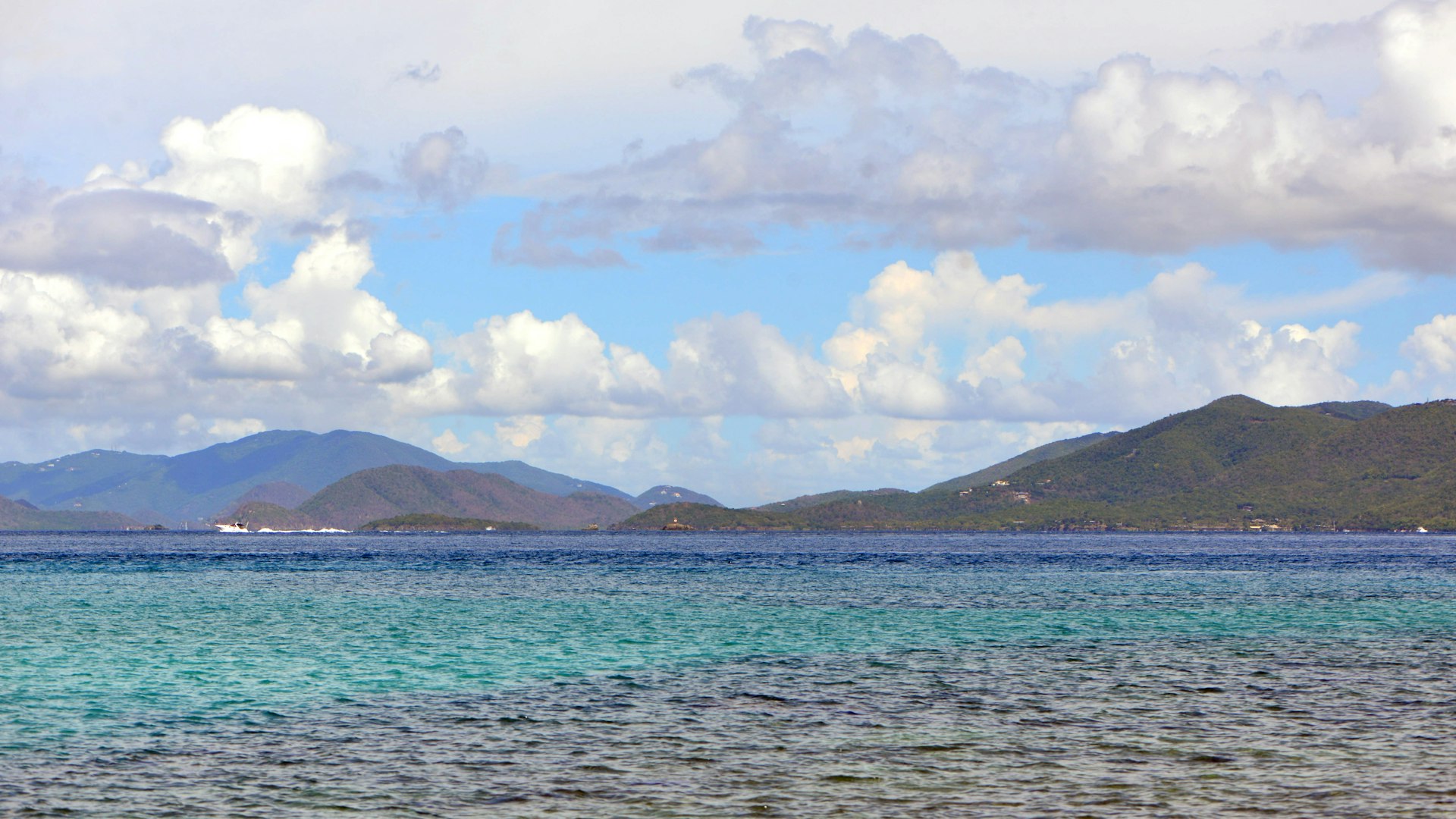
British Virgin Islands Yacht Charters
Sheltered bays, reliable trade winds, and inter-island passages measured in minutes rather than hours make the BVI the most technically forgiving — and socially rewarding — cruising ground in the Caribbean.
Charter by Vessel Type
Catamaran Charter in British Virgin Islands
Spacious twin-hull vessels offering stability, comfort, and generous deck space for the ultimate charter experience.
Browse Catamarans →
Sailing Yacht Charter in British Virgin Islands
Classic sailing vessels that combine timeless elegance with the thrill of wind-powered adventure.
Browse Sailing Yachts →
Motor Yacht Charter in British Virgin Islands
Powerful luxury vessels delivering speed, sophistication, and effortless cruising across any waters.
Browse Motor Yachts →
Available Yachts in British Virgin Islands

Bareboat Sailing Yacht Sun Odyssey 349
Sun Odyssey 349 · 2018
From
$2k/week

Bareboat Sailing Yacht Oceanis 34
Oceanis 34 · 2011
From
€2k/week

Bareboat Sailing Yacht Dufour 460 Grand Large
Dufour 460 Grand Large · 2017
From
$2k/week

Bareboat Sailing Yacht Bavaria 36
Bavaria 36 · 2011
From
$3k/week

Bareboat Sailing Yacht Dufour 412
Dufour 412 · 2018
From
€3k/week

Bareboat Sailing Yacht Bavaria 37
Bavaria 37 · 2014
From
$3k/week

Bareboat Sailing Yacht Beneteau 43
Beneteau 43 · 2010
From
$3k/week

Bareboat Sailing Yacht Oceanis 45
Oceanis 45 · 2013
From
$3k/week

Bareboat Sailing Yacht Bavaria 40
Bavaria 40 · 2013
From
$3k/week

Bareboat Sailboat Dufour 390
Dufour 390 GL · 2020
From
$3k/week

Bareboat Sailing Yacht SUN ODYSSEY 419
Sun Odyssey 419 · 2018
From
$3k/week

Bareboat Catamaran Bali 4.0
Bali 4.0 · 2017
From
€4k/week
The British Virgin Islands occupy roughly 60 square miles of the Sir Francis Drake Channel, a body of water that functions, in practical terms, as a private sailing lake for charterers. The islands are close enough together that a competent crew can reach four distinct anchorages in a single day, yet each one — Norman Island, Virgin Gorda, Jost Van Dyke, Anegada — delivers a genuinely different character. That variety within a compact geography is why the BVI has become the world's most-chartered cruising ground.
What distinguishes it from other Caribbean destinations is not simply the scenery but the infrastructure built specifically around yachting. Customs clearance is relatively painless, the Bight at Norman Island has room for dozens of boats, and Soper's Hole at West End, Tortola is a competent provisioning stop before a channel crossing. For clients who want to test sailing in the tropics — or who simply want to anchor off a beach and not think about weather routing — the BVI delivers without compromise.
Why Charter in British Virgin Islands
The North Atlantic trade winds blow reliably from the east-northeast at 15 to 25 knots from December through July, giving the Sir Francis Drake Channel beam-to-broad reaching conditions that are ideal for catamarans and blue-water monohulls alike. Seas are rarely uncomfortable, squalls are short-lived, and the channel crossings between main islands rarely exceed 10 nautical miles. Experienced charterers can push further — the Anegada Passage to the north or an overnight to St Martin — but the BVI core itinerary requires no offshore stamina.
The social infrastructure is unusually strong for a sailing destination. Foxy's Tamarind Bar on Jost Van Dyke is a genuine institution, not a tourist construct. The Baths at Virgin Gorda — a geological peculiarity of giant granite boulders forming sea-level grottos — are worth negotiating the morning crowds for. Cooper Island has a rum bar with a serious selection and moorings that fill by mid-afternoon in high season. These are not interchangeable beach bars; each anchorage has accumulated a distinct personality over decades of yachting culture.
Provisioning, fuel, and marine services are clustered around Road Town, Tortola, which means mid-charter resupply is realistic if you want to extend a passage plan or entertain guests joining on day four. The BVI also operates a mooring-ball system across the main anchorages, which reduces anchor-dragging risk in areas where sandy patches are surrounded by protected reef. Balls at popular spots such as The Indians and Norman Island's Privateer Bay are first-come, first-served and should be treated accordingly in your itinerary planning.
British Virgin Islands Highlights
The Bight, Norman Island — the largest natural anchorage in the BVI, with mooring balls, a floating bar-restaurant, and cave snorkelling at the base of the cliffs along the western shore. The association with Treasure Island is apocryphal but persistent.
The Baths, Virgin Gorda — a scatter of immense granite boulders forming connected sea pools along the southern tip of the island. Dinghy ashore before 09:00 or after 15:00 to avoid the day-tripper overlap.
Great Harbour, Jost Van Dyke — home to Foxy's, one of the Caribbean's few bars that has genuinely shaped sailing culture rather than simply profited from it. New Year's Eve here is its own category of experience.
Anegada — a flat coral atoll sitting 14 nautical miles north of Virgin Gorda across the Horseshoe Reef, the third largest barrier reef in the world. The passage requires a clear-weather day and attention to the approach coordinates; the reward is flamingos, empty beaches, and lobster grilled on oil-drum barbecues at Cow Wreck Beach.
The Indians — four dramatic rock pinnacles off the northwest tip of Norman Island, reliably excellent for snorkelling and free diving. Mooring balls available; the site sits in a National Park, so anchoring is prohibited.
Cooper Island Beach Club — a rare anchorage that has evolved into a genuinely good destination restaurant. The rum selection is encyclopaedic, the reef immediately offshore is healthy, and the moorings are well-maintained.
Soper's Hole, West End, Tortola — a sheltered hurricane hole that doubles as a practical provisioning stop, with a West Indian market, fuel dock, and customs/immigration for those arriving from or departing to the US Virgin Islands.
When to Sail
The BVI has a clearly defined dry season from December to July, with the trades at their most reliable between January and May. The late-summer months bring reduced winds and an elevated, though manageable, risk of tropical disturbance.
High Season (Jun-Sep)
In BVI terms, high season runs from mid-December through April, when trade winds are consistent at 15–25 knots and rainfall is infrequent. January through March represent peak demand; prices are at their highest and popular anchorages such as the Bight and Great Harbour, Jost Van Dyke fill early. Visibility underwater is excellent, and the flat-water passages make the destination approachable for first-time charterers. Book six to nine months in advance for Christmas and New Year, when a week aboard a well-specced catamaran in this window is among the most competed-for charter products in the Atlantic basin.
Shoulder Season (May, Oct)
The summer months from June through November sit outside the trade-wind season. Winds become more variable, temperatures and humidity rise, and the Atlantic hurricane season runs officially from June through November, with peak activity in August and September. That said, many experienced charterers deliberately choose July and early August for the reduced crowds, lower base rates, and still-reasonable sailing conditions. The BVI sits at the northern edge of the hurricane belt, and most charter companies have clear relocation protocols. Late October and November represent genuine value — Anegada in particular is quieter, the lobster is in season, and the light in the late afternoon is exceptional.
Choosing the Right Yacht
The catamaran dominates BVI charter for good reason. The shallow-draft configuration — typically 1.2 to 1.5 metres on a 45-to-55-foot platform — means you can anchor closer to shore than a keelboat, the deck space is generous for a group spending most of their time in swimwear, and the stability at anchor matters when a group of eight wants dinner without the roll. Models such as the Lagoon 51, the Bali 5.4, and the Fountaine Pajot Helia 44 are well-suited to the beam-reaching conditions on the Drake Channel and the downwind runs from Tortola toward Norman Island. The Sunreef 60 represents the top of the performance-catamaran bracket for clients who want serious sailing alongside luxury interior volume. That said, the sailing monohull remains the right choice for charterers who prioritise sail trim and windward performance over living space. The trade-wind angles are often ideal for a well-set-up cruising monohull, and the shorter passages mean you're never grinding for long. Motor yachts are available and make sense for groups where sailing is incidental to the destination rather than the point. The BVI's network of day-anchorages and short inter-island passages means even a displacement motor yacht can cover the full itinerary without fuel anxiety.
Seven Days in the BVI — Drake Channel and Beyond
A suggested week-long charter route
Board at Nanny Cay Marina, Tortola and complete provisioning and departure checks. Sail south and west through the Sir Francis Drake Channel under the afternoon trades, arriving at Norman Island's Bight by late afternoon. Secure a mooring ball, snorkel the caves at the base of the cliffs, and take dinner aboard or at the floating restaurant.
Morning snorkel at The Indians before the day-charter boats arrive. Then west to Peter Island, anchoring in Deadman's Bay for lunch. Afternoon sail across to Cooper Island — arrive by 14:00 to secure moorings — and spend the evening at the Beach Club rum bar.
An early start for the Anegada crossing — 14 nautical miles north-northeast from Virgin Gorda, through the Horseshoe Reef entrance at Setting Point. Use the BVI Cruising Guide coordinates precisely. Afternoon on the north shore beaches; lobster dinner at one of the beach shacks on Loblolly Bay.
Second morning on Anegada for those who want to walk to the flamingo colony near the salt ponds, then return south to Virgin Gorda. Anchor in St Thomas Bay or pick up a ball off The Baths for a late-afternoon visit once the day-trippers have cleared. Sundowners in the cockpit off the southern tip.
Sail north around Virgin Gorda to North Sound, entering through the Anguilla Point passage. The sound is one of the best-protected anchorages in the BVI, with Bitter End and Gun Creek on the eastern shore. Dinghy to Gun Creek village for a low-key local lunch, then return to the sound for an evening swim.
Broad reach west down the Drake Channel to Jost Van Dyke. Anchor or moor in Great Harbour and spend the day between Foxy's, the beach, and the village. Soggy Dollar Bar at White Bay is a dinghy ride around the headland — its signature Painkiller cocktail was, genuinely, invented here.
Final morning swim from the boat, then sail east back along the northern side of Tortola, returning to Nanny Cay by early afternoon for handover. Clear the boat and transfer ashore; for those extending the trip, Road Town has direct ferry connections to St Thomas.
Local Tips
- •Customs and immigration for BVI entry are handled at Road Town, Soper's Hole (West End), or Jost Van Dyke. Carry crew lists and passport copies in good order; the process is generally efficient but slow if you arrive without documentation prepared. US and USVI visitors should note that the BVI is a separate jurisdiction — a cruising permit is required and is issued on arrival.
- •Mooring balls at the most popular sites — The Indians, the Bight, and the caves at Norman Island — are managed by the BVI National Parks Trust. Fees are modest; anchoring is prohibited in designated protected areas. Balls fill by early afternoon in high season, so plan your day-sailing passages to arrive before lunch.
- •Provisioning is best done at Nanny Cay or Wickhams Cay in Road Town before departure. Bobby's Marketplace in Road Town and the Riteway supermarket both stock imported goods and fresh produce adequate for a week's charter. On Anegada, supplies are limited and expensive — carry everything you need for a two-night stay.
- •The BVI lobster season runs roughly from August through April, though local enforcement is imperfect. If you are buying lobster directly from a fisherman or beach restaurant, asking whether it is in season is both courteous and, in practice, useful — out-of-season lobster is often smaller and poorer value.
- •VHF Channel 16 is monitored by the BVI Coast Guard and is the standard working channel for marina communications. The charter company will brief you on the local channels for mooring-ball updates and weather. The BVI has no dedicated weather-broadcast service equivalent to NOAA's VHF forecasts, so use a downloaded forecast app alongside the official National Hurricane Center updates from June onwards.
- •Tipping culture follows US Caribbean norms — 15 to 20 per cent is expected at beach bars and restaurants, and for crewed charters, a crew gratuity of 15 to 20 per cent of the base charter fee, distributed at the end of the trip, is standard practice and a meaningful part of professional crew income.
Frequently Asked Questions
Do I need a sailing licence to charter bareboat in the BVI+
What is the best time of year to avoid the crowds in the BVI+
Can I sail from the BVI into the US Virgin Islands+
Is the BVI suitable for first-time charterers+
Are catamarans or monohulls more practical for the BVI+
What currency is used in the BVI and how should I handle onboard expenses+
Tell us your preferred dates and group size and we will put together a shortlist of BVI yachts suited to your itinerary within 24 hours.
Request Your Charter