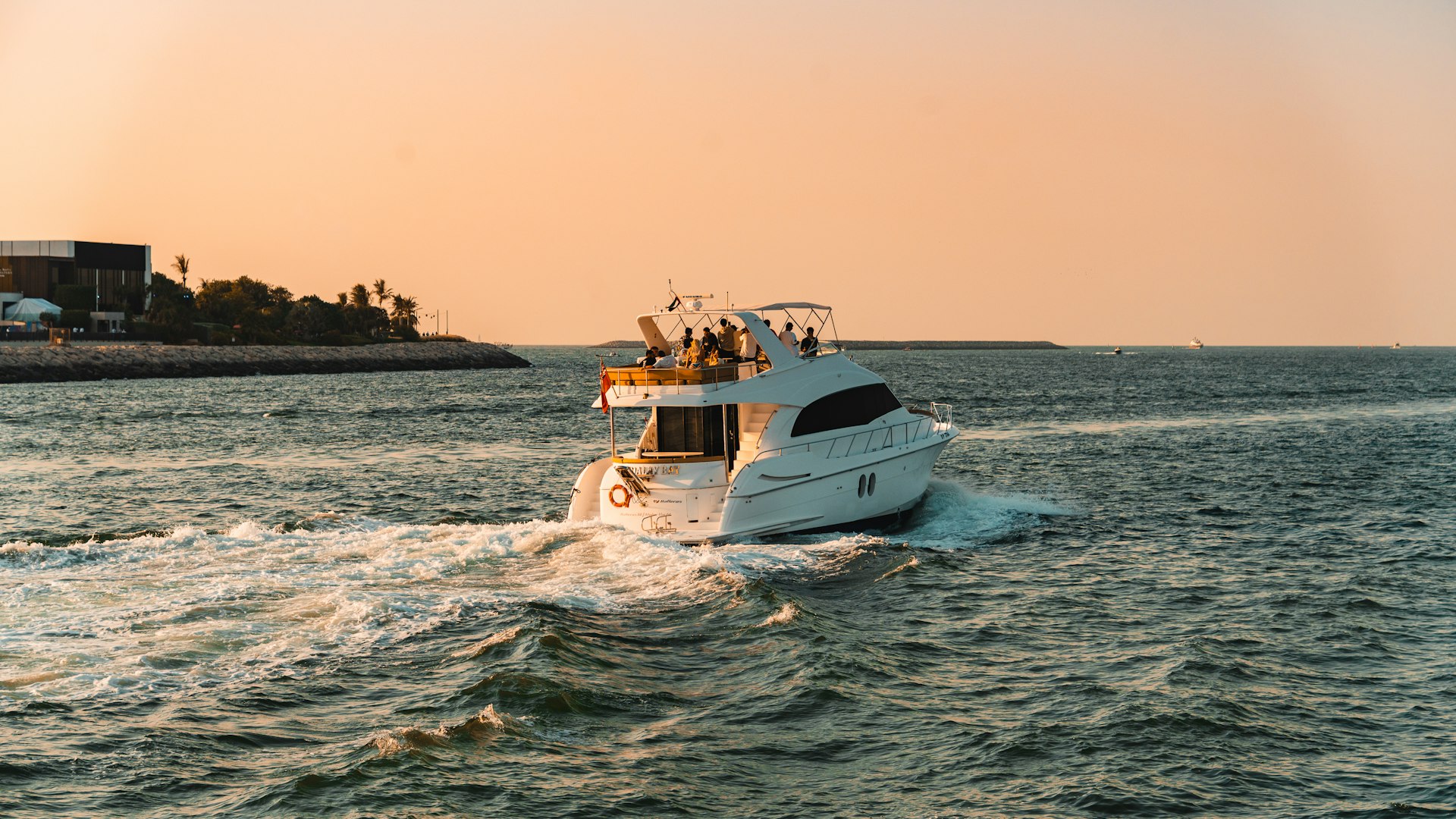
Motor Yacht Charter British Virgin Islands

Motor Yacht Charter British Virgin Islands

The British Virgin Islands compress an extraordinary range of anchorages into a compact cruising ground — motor yacht guests cover in a morning what sailors spend two days reaching, leaving more time at anchor in the places that actually matter.

The BVI archipelago stretches roughly 60 nautical miles east to west, from Jost Van Dyke in the north-west to Anegada's reef-fringed flats in the north-east. The passages between islands are short, the holding is generally reliable, and the customs framework is well established for visiting foreign-flagged vessels. For a motor yacht charterer, this translates into a destination where the geography rewards your speed advantage without wasting it.

Road Town on Tortola remains the operational hub — CYOA, The Moorings, and Nanny Cay all handle provisioning and fuel to a standard that suits serious yachts. Clear in through Road Town or the newer facility at Soper's Hole, and you can be anchored off a private beach in the Dogs or Cooper Island before lunch on day one. The BVI does not demand that you slow down, but it rewards those who choose to.

Why Charter in Motor Yacht charter in British Virgin Islands

The Sir Francis Drake Channel is the defining feature of BVI sailing. Running east-west between Tortola and the string of islands to the south — Norman, Peter, Salt, Cooper, Ginger, Fallen Jerusalem — it provides a protected waterway with consistent wind angles and minimal ocean swell in settled conditions. A motor yacht can work either shore in a single day, positioning for morning light in the Bight and afternoon cocktails off Virgin Gorda's North Sound.

Above and beyond the Drake Channel, the BVI offers genuine diversity within a small area. Anegada sits 15 nautical miles north of Virgin Gorda on a completely different seabed — a low coral atoll barely visible until you are close, surrounded by the Horseshoe Reef system, one of the largest in the Caribbean. The lobster landed at the harbour settlement is not a menu embellishment; it is caught the same day. Getting there and back without surrendering a full sailing day is precisely where a fast displacement or planing motor yacht earns its charter fee.

Administratively, the BVI maintains a straightforward cruising permit system. The fees are modest, the officials at Road Town and the outer stations are professional, and the overall experience for crew is low-friction. US dollars are the local currency, American and British conventions sit comfortably alongside each other, and the marina infrastructure — particularly at Leverick Bay and Oil Nut Bay on Virgin Gorda — has been substantially upgraded over the past decade to accommodate larger vessels.

Motor Yacht charter in British Virgin Islands Highlights

1

The Bight, Norman Island — the largest natural anchorage in the BVI, protected on three sides, with the Caves on the western headland offering snorkelling in cathedral-lit sea caves accessible directly from the yacht's tender.

2

The Baths, Virgin Gorda — a geological oddity of house-sized granite boulders forming tunnels, pools, and grottos along the south-western shore. Arrive before 09:00 by tender to have the lower pools largely to yourself.

3

Anegada and Horseshoe Reef — the atoll's flat profile, bone-white beaches at Loblolly Bay, and the working lobster fleet at the settlement make this the single most distinct stop in the archipelago. The reef demands careful navigation; the waypoints are well documented and your captain will have them.

4

North Sound, Virgin Gorda — a near-enclosed lagoon accessible through the Anguilla Point or Colquhoun Reef channels, lined with options from the relatively informal Leverick Bay Marina to the private-island calibre of Oil Nut Bay resort and marina.

5

Jost Van Dyke and Great Harbour — the informal social centre of the BVI cruising circuit. Foxy's Beach Bar has hosted charterers for decades without becoming cynical about it; the real prize is White Bay, accessible by tender, where beach bars operate from driftwood structures above a genuinely fine crescent beach.

6

The Dogs — a cluster of uninhabited islets between Virgin Gorda and Tortola where strong tidal flows create excellent snorkelling around George Dog and West Dog. Anchor off Great Dog in settled conditions; the holding is adequate in sand over rock.

7

Cooper Island Beach Club — a sustainably-run beach bar and restaurant on the south side of Drake Channel with a dedicated mooring field. The rum bar stocks over 70 expressions, and the kitchen sources thoughtfully for a beach-bar operation.

When to Sail

The BVI has a well-defined dry season from December through April, when the trade winds blow consistently from the east-north-east at 15 to 25 knots and rainfall is minimal. The summer and early autumn months are warmer, more humid, and technically within the Atlantic hurricane season, though many charterers find June and early July perfectly manageable with appropriate weather monitoring.

High Season (Jun-Sep)

June and early July can offer lighter, more variable winds than the peak trade-wind months, which suits motor yacht guests who prefer glassy anchorages over chop in the Drake Channel. August through October requires careful attention to tropical weather systems — the Atlantic hurricane season peaks in September — and any charter during this window should be planned with full flexibility in the itinerary and a skipper who monitors NOAA and NHC forecasts closely. That said, many weeks pass in August and September without incident, and rates during this period are meaningfully lower than December through March.

Shoulder Season (May, Oct)

May is arguably the most underrated month in the BVI. The Christmas-Carnival crowds have long departed, rates have not yet dropped to summer levels, trade winds are still reasonably consistent from the east, and water temperatures are comfortable. October sits at the tail of hurricane season and can be unsettled, but late October often sees a return to more stable conditions. Both months offer the anchorages at their least congested, particularly around the Bight at Norman Island and the Caves.

Choosing the Right Yacht

The BVI is one of the few Caribbean destinations where a motor yacht's range and speed are genuinely useful rather than merely convenient. The passage to Anegada, the ability to reach the North Sound from the Bight before the day-charter flotillas move, or simply repositioning after a weather window changes — these are real operational advantages. The fleet available through SelectYachts in these waters includes vessels from Benetti, Mangusta, and Tarrab, covering the full spectrum from long-range displacement cruisers suited to larger family groups through to performance-oriented planing hulls that make the Anegada run in under an hour from Virgin Gorda.

Seven Days Aboard a Motor Yacht in the BVI

A suggested week-long charter route

Day 1

Embark at Nanny Cay or Soper's Hole, Tortola. Clear customs, conduct safety briefing, and depart west-about through the Sir Francis Drake Channel. Anchor off Norman Island at the Bight by early afternoon. Tender to the Caves for late-afternoon snorkelling; dinner aboard or at the Willy T floating bar moored nearby.

Day 2

Morning departure south-east to Peter Island. The anchorage at Great Harbour (Peter Island) on the southern shore offers calm water and a private-feeling setting. Lunch aboard. Afternoon run east to Cooper Island; secure a mooring in the Cooper Island Beach Club field and dine ashore — book ahead in high season.

Day 3

Early departure north-east toward Virgin Gorda. Tender into the Baths before 09:00 for the boulder formations and Devil's Bay beach at their quietest. Reposition the yacht north to Leverick Bay for fuel, provisions top-up, and an evening at the marina bar.

Day 4

Full day at North Sound. Morning water sports from the swim platform — the sound is well protected for paddleboarding and kayaking. Afternoon tender excursion to Oil Nut Bay or Bitter End Yacht Club's beach. Anchor overnight in the sound; the holding in the central area is excellent sand.

Day 5

Anegada day. Depart North Sound through the Anguilla Point channel, log the reef waypoints, and make the 15-nautical-mile crossing north to Anegada's harbour settlement. Anchor off the beach at Loblolly Bay on the north shore for snorkelling over the reef. Pre-order lobster at Big Bamboo or Cow Wreck Beach Bar for lunch. Return to Virgin Gorda or North Sound for the night.

Day 6

Transit west through the Dogs — pause for snorkelling off Great Dog if conditions allow — then north to Jost Van Dyke. Anchor in Great Harbour; tender ashore to Foxy's for lunch. Afternoon move around the headland to White Bay mooring field. Sundowners at the Soggy Dollar, credited with inventing the Painkiller cocktail.

Day 7

Final morning at Sandy Cay — a small uninhabited National Park island off the south-east tip of Jost Van Dyke, with a circular nature trail and a genuinely unspoilt beach. Return to Tortola; disembark at Nanny Cay or Soper's Hole by 09:00 on Day 8 per standard charter terms.

Local Tips

  • Customs and immigration are handled at Road Town Ferry Terminal, Soper's Hole (West End), or Virgin Gorda Yacht Harbour. Allow one to two hours on embarkation day; the BVI Customs and Immigration online pre-clearance form (available via the BVI portal) can reduce this significantly. Carry printed copies of all vessel documentation.
  • Provisioning is best handled through Rite Way or RiteWay Market in Road Town, which can pre-pack orders for yacht delivery. For higher-specification provisioning — wine, charcuterie, specialist dietary requirements — arrange with your charter manager two weeks ahead; several Road Town-based yacht provisioners can source to a serious standard.
  • The mooring field system is extensive: most popular anchorages in the BVI now require a paid mooring rather than anchoring, managed by the BVI National Parks Trust. Confirm with your captain which anchorages permit free anchoring (some outer bays still do) and carry sufficient mooring fees in cash.
  • Fuel is available at Nanny Cay, Soper's Hole, Village Cay Marina (Road Town), and Leverick Bay. Prices are higher than the US mainland; factor diesel costs into your APA budget accordingly, particularly for fast planing hulls.
  • The local cuisine worth seeking out goes beyond the beach-bar standard: The Dove Restaurant in Road Town serves genuinely considered Caribbean-influenced food, and the waterfront at Cane Garden Bay on Tortola has a cluster of small restaurants sourcing local fish. The flying fish and conch fritters at the informal spots near the ferry dock at Cruz Bay (USVI, a short hop if your cruising permit allows) are also worth the detour.
  • Mobile connectivity across the BVI is provided primarily by Flow and Digicel. Coverage is reasonable between islands but can be patchy at outer anchorages like Anegada. For serious connectivity requirements — video calls, remote working — a vessel-mounted Starlink terminal is increasingly standard on yachts at this level of the fleet.

Frequently Asked Questions

Do I need a cruising permit to charter in the BVI+
Yes. All foreign-flagged vessels require a cruising permit from BVI Customs and Immigration. Your SelectYachts charter manager will ensure this is in order before embarkation. The permit covers the duration of your charter and specifies the waters you are licenced to navigate; an extension to the USVI requires separate documentation.
How far in advance should I book a BVI motor yacht charter+
For peak season — mid-December through April — six to twelve months ahead is realistic for the better vessels. The BVI is one of the most in-demand charter destinations in the Caribbean, and the motor yacht fleet is smaller than the sailing fleet, which limits availability further. Summer months can be arranged with three to four months' notice in most cases.
What is a typical APA and how should I budget for expenses+
The Advance Provisioning Allowance is typically set at 30 to 35 per cent of the base charter fee. In the BVI, the main variable costs are fuel (significant for planing motor yachts), mooring and park fees, provisioning, and dining ashore. Your captain will account for all expenditure and provide a reconciliation at the end of the charter; any unspent APA is returned to you.
Is Anegada accessible for larger motor yachts+
Anegada's harbour can accommodate yachts drawing up to approximately 1.8 to 2.0 metres, depending on conditions and the state of the tide. Deeper-draft vessels typically anchor off the south-western shore or near the beach at Loblolly Bay and use the tender for shore access. Your captain will have current waypoints for the reef passage; this is not a crossing to attempt without local knowledge or proper chart plotting.
What water sports and tenders are typically available on BVI motor yachts+
At the charter level represented in our BVI fleet, expect at minimum a high-speed tender, jet ski or similar PWC, paddleboards, kayaks, and snorkelling equipment as standard. Some vessels include foiling boards, towed inflatables, or diving compressors. Confirm the specific toys manifest with your charter manager before signing the contract, as this varies by vessel.
Can I combine the BVI with the USVI on one charter+
Yes, with advance planning. You will need to clear both BVI Customs and USVI CBP, and your vessel must be licenced to operate in both jurisdictions. Many charter guests spend the majority of their week in the BVI and make a day trip to St John (USVI) for the National Park and Cruz Bay. A combined itinerary is entirely viable; discuss the documentation requirements with your SelectYachts broker at the time of booking.

Speak to a SelectYachts broker to match the right vessel from our BVI motor yacht fleet to your dates, group size, and priorities.

Request Your Charter

Request Your Charter

Tell us about your dream voyage and we will find the perfect yacht for you.