France Yacht Charters

France Yacht Charters

From the windswept granite headlands of Brittany to the sheltered bays of Corsica, France offers some of Europe's most varied and rewarding charter sailing across three distinct coastlines, each with its own character, cuisine, and conditions.

France is not a single charter destination but several, stitched together by a common language and an exceptional culinary culture. The Atlantic coast from the Gironde to Finistère rewards experienced offshore sailors with tidal complexity and rugged scenery. The Mediterranean arc from the Camargue to Menton delivers the reliable summer conditions most charterers seek, with the added drama of Corsica sitting 170 nautical miles south. Between these extremes lies an enormous range of charter experiences, from the sophisticated harbour towns of the Côte d'Azur to the near-deserted anchorages of the Îles d'Hyères.

What distinguishes France from its Mediterranean neighbours is the quality of life ashore. Market towns, Michelin-starred restaurants, serious wine regions, and working fishing ports sit within reach of the water in a way that few other charter destinations can match. A week afloat here rarely means choosing between sailing and culture — the two are simply part of the same experience.

Why Charter in France

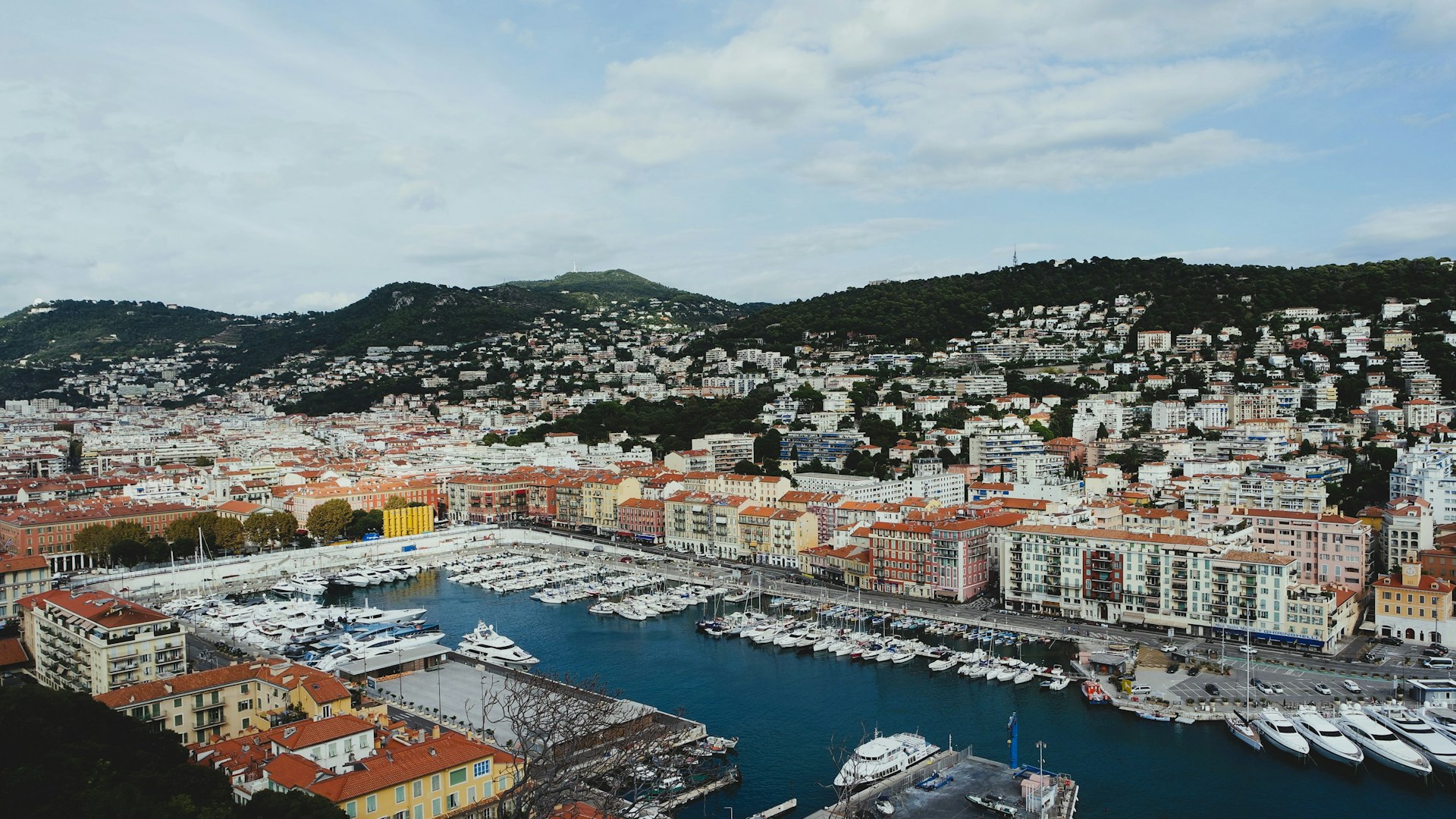
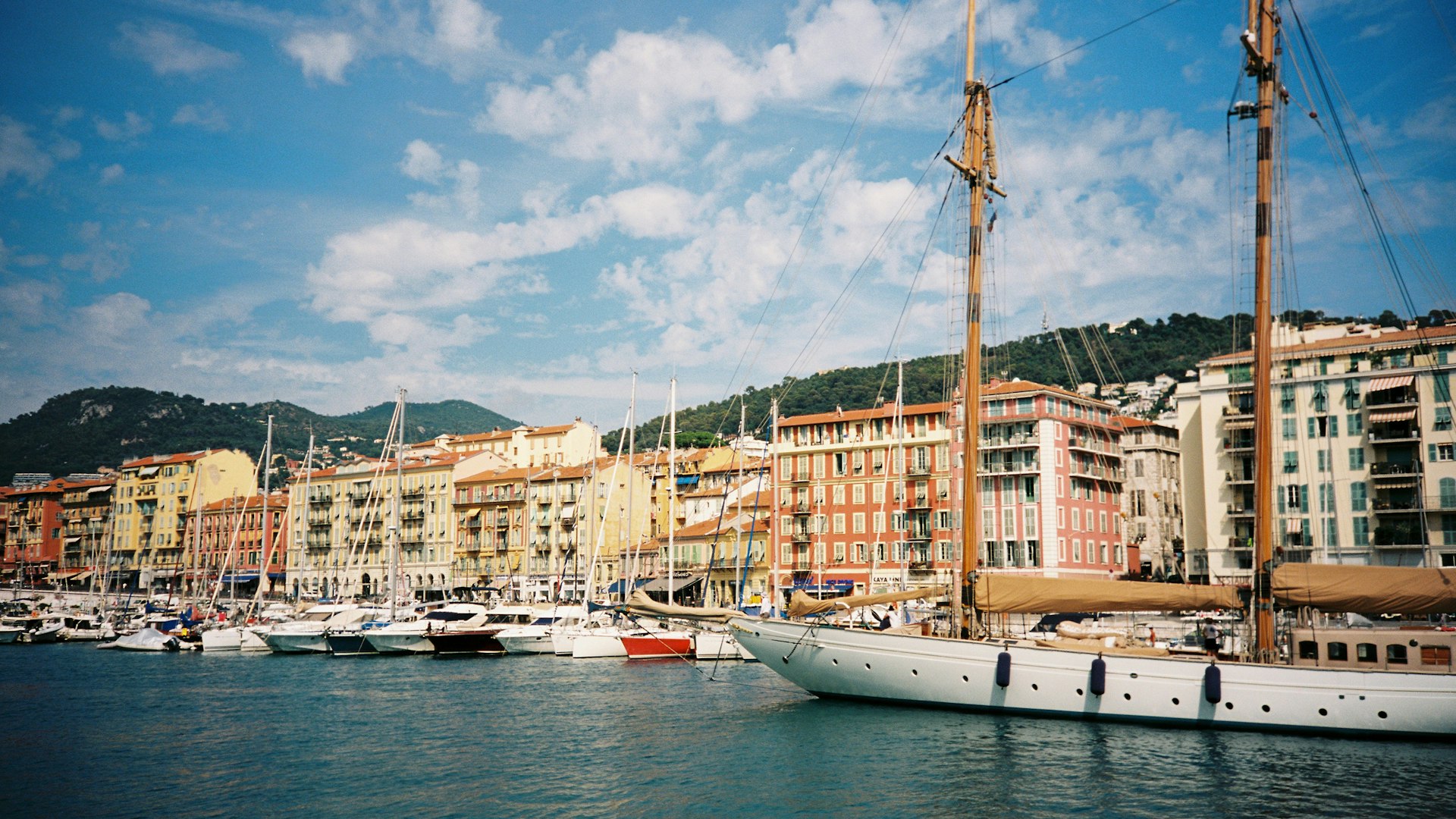
The Côte d'Azur remains Europe's most-requested charter coast for good reason. From Cannes westward to Saint-Tropez and the Var, the combination of reliable summer breezes off the Alpes-Maritimes, clear water, and accessible port infrastructure is difficult to fault. Antibes, home to one of the largest yacht bases in the Mediterranean, provides provisioning and crew resources that match any destination in the world. The social scene, from the terraces of Ramatuelle to the pontoons of Monaco, is simply without equivalent.

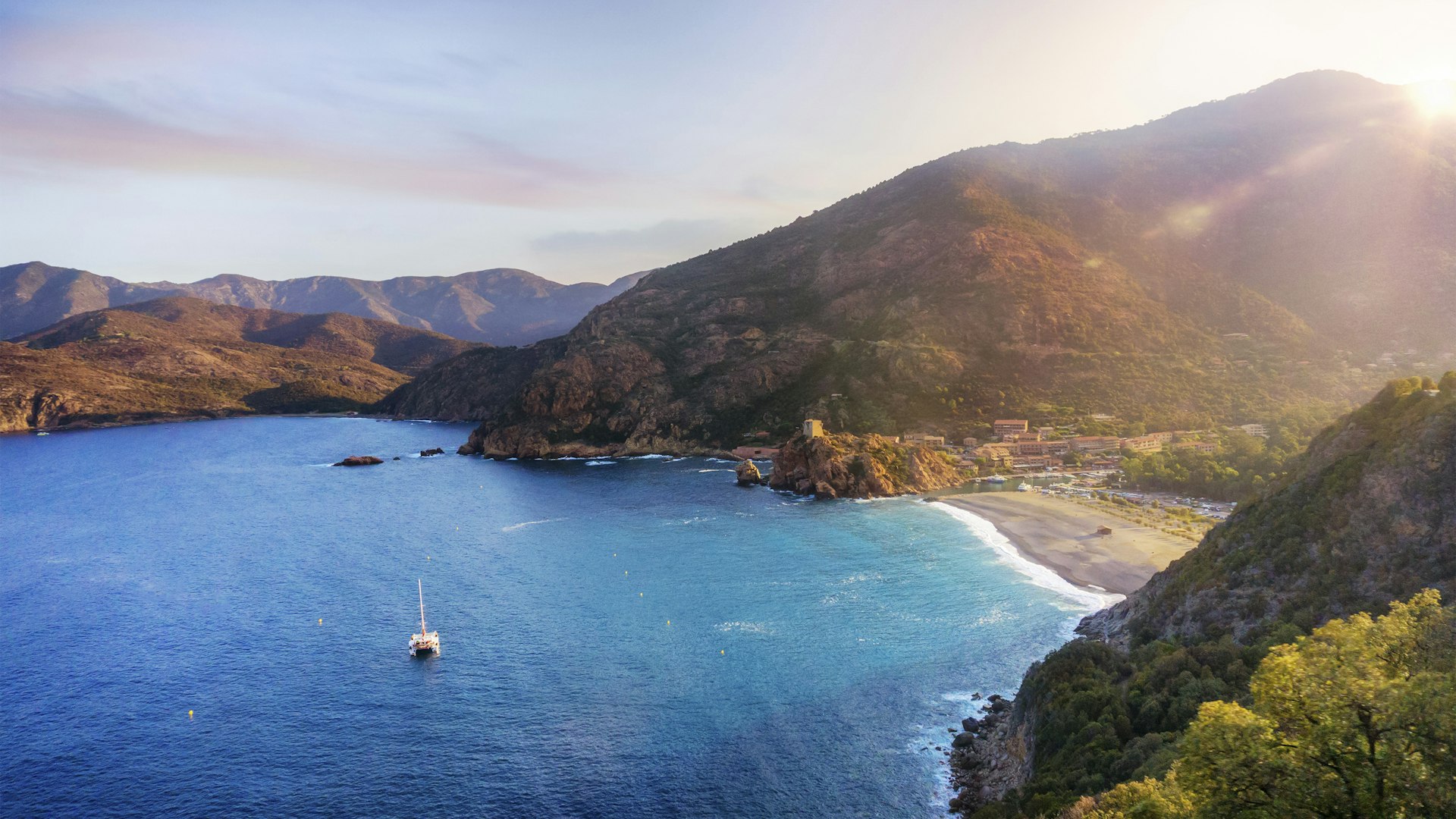
Corsica adds a different dimension entirely. The island's protected waters around the Réserve Naturelle de Scandola on the west coast, accessible only by sea, offer anchorages of a quality rarely found this close to the French mainland. The Strait of Bonifacio between Corsica and Sardinia channels strong currents and can produce a lively chop when the Mistral presses south, but experienced crews treat this passage as one of the most exhilarating day-sails in the western Mediterranean.

The Atlantic façade — the Vendée, Charente-Maritime, and the Pays Basque — is significantly underchartered relative to its merit. The Île de Ré, Île d'Oléron, and the archipelago of Glénan off southern Brittany offer tidal-window sailing that demands proper seamanship and rewards it with solitude. Oyster beds, crêperies, and the sharp Atlantic light make this coast feel a world apart from the Riviera crowds, and charter rates reflect the difference.

France Highlights

1

Porquerolles, Îles d'Hyères — The largest of the three Hyères islands has car-free interior lanes, a protected national park covering most of its surface, and several anchorages on its northern shore that remain swimmable and relatively quiet even in August. Ancre Noire and the Plage d'Argent are the best-known holds.

2

Bonifacio, southern Corsica — The limestone citadel rising above a narrow fjord-like inlet is one of the most dramatic harbour approaches in the Mediterranean. Anchoring in the Bouches de Bonifacio requires attention to the current, but the setting — white cliffs, crystal-clear turquoise water, and a medieval town directly above — justifies the planning.

3

Réserve Naturelle de Scandola, western Corsica — A UNESCO-designated marine reserve accessible only by water or on foot via long coastal paths. Red volcanic rock formations, seabird colonies, and exceptional underwater visibility make this one of the anchor highlights of any Corsican itinerary. No anchoring is permitted within the reserve itself; approved mooring buoys fill quickly in summer.

4

Antibes and the Cap d'Antibes — The deep-water pontoons of Port Vauban handle yachts of any size, and the Vieille Ville market on the Cours Masséna is among the best provisioning stops on the entire coast. The Cap itself has several sheltered anchorages in light conditions and walking distance to some of the Alpes-Maritimes' better restaurants.

5

Saint-Tropez and the Golfe de Saint-Tropez — The town's reputation precedes it, but the Golfe as a sailing ground is genuinely excellent, with consistent thermal breezes and space enough to anchor clear of the Vieux Port crowds in bays like Pampelonne and Graniers. Visiting in late September rather than August transforms the experience.

6

Îles de Glénan, southern Brittany — A low-lying Atlantic archipelago nine nautical miles off Concarneau, enclosing a turquoise lagoon that confounds expectations of the Breton coast. Tidal planning is non-negotiable, but the reward is isolation, extraordinary bird life, and one of France's most unusual anchorages.

7

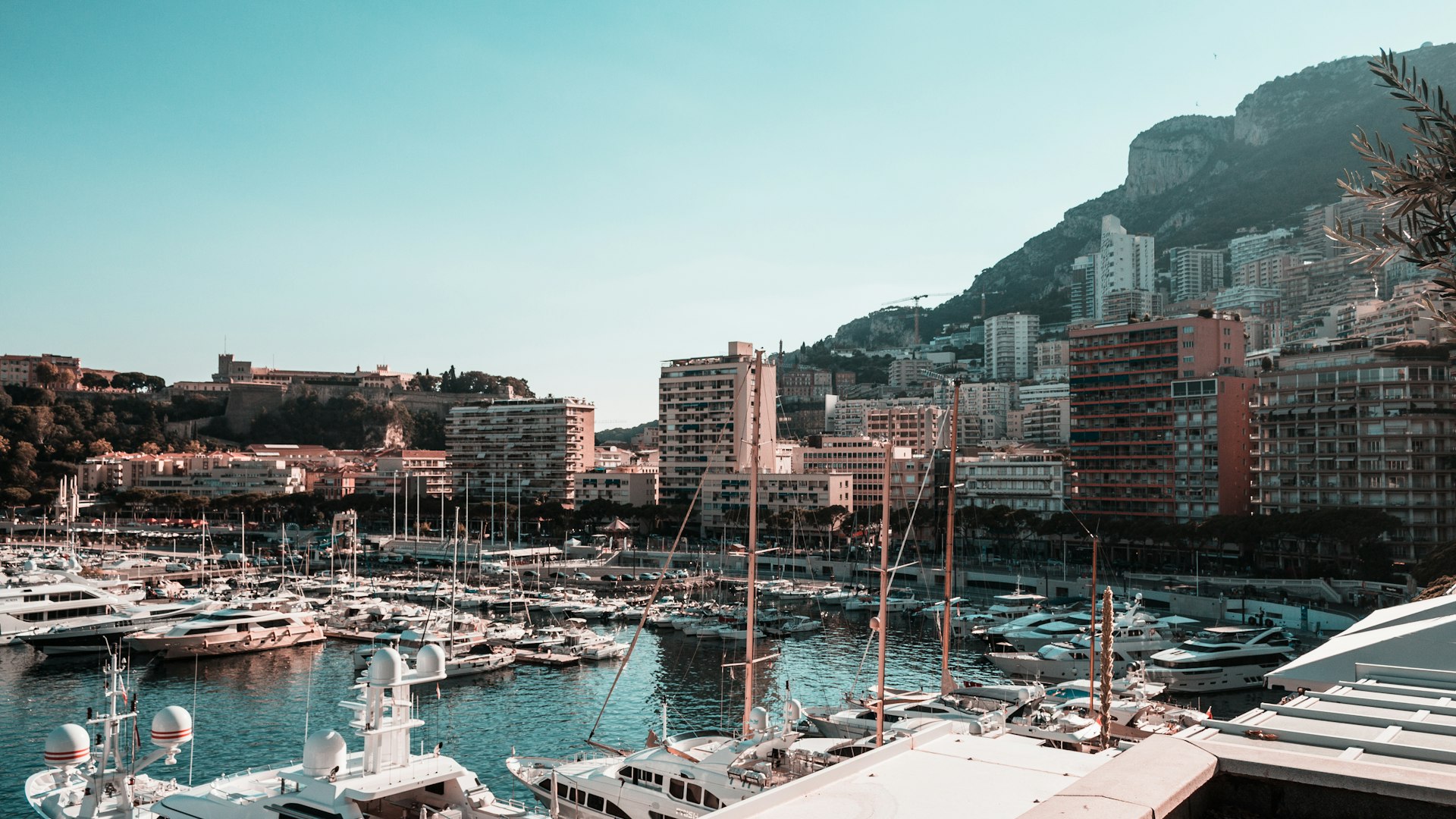
Monaco and Roquebrune-Cap-Martin — Port Hercule in Monaco can accommodate superyachts in excess of 100 metres and sits within walking distance of the old town, the oceanographic museum, and some of the principality's better sushi. The nearby anchorage off Roquebrune provides a quieter alternative at negligible cost.

When to Sail

The French Mediterranean coast is reliably charterable from late April through October, with peak conditions in July and August. The Atlantic coast has a shorter comfortable window, broadly May to September, where weather patterns and tidal planning are the primary scheduling factors.

High Season (Jun-Sep)

On the Côte d'Azur and around Corsica, the Mistral is the dominant variable. This northerly wind funnels down the Rhône valley and can reach 30-40 knots with little notice, particularly between June and August. Most experienced charterers treat it as a scheduling tool rather than a threat, heading east toward the Ligurian coast when it blows and returning to the Var anchorages when it abates. July and August bring the most settled sea states but also the highest berth prices and the densest crowds in Saint-Tropez and Bonifacio. The Îles d'Hyères — Porquerolles, Port-Cros, and Île du Levant — provide reliable shelter and are far less congested than the adjacent mainland coast. On the Atlantic, summer brings the Alizé de Bretagne, a pleasant south-westerly that makes coastal cruising along the Loire-Atlantique and Vendée genuinely enjoyable, with less tidal drama than spring passages.

Shoulder Season (May, Oct)

May is arguably the finest month on the French Riviera. Berth availability is superior, rates are more negotiable, and the light has a clarity that August cannot match. Antibes and Cannes are fully operational, markets are at their spring best, and the Mistral, while still present, tends to be shorter-lived. October on the Mediterranean coast holds warmth through the first three weeks and offers excellent sailing before the onset of autumn gales. Corsica in October is particularly rewarding — the tourist infrastructure remains open, anchorages clear considerably, and the maquis is at its most aromatic after the long dry summer. On the Atlantic coast, May is usable for experienced crews willing to work with tides and accept variable cloud cover; October passages in Brittany are for serious bluewater sailors only.

Choosing the Right Yacht

The French Mediterranean coast broadly favours motor yachts for clients whose priority is covering ground between destinations, accessing marinas at precise times, and maintaining a consistent onboard standard regardless of wind. The run from Cannes to Bonifacio and back — a logical week's circuit — covers roughly 350 nautical miles and sits most comfortably aboard a motor yacht of 18 metres or more, where daily passages of 60-80 nautical miles leave ample afternoon time in anchorages. Models from builders such as Azimut, Absolute, and Baglietto are well represented in the French charter fleet and are sized appropriately for both Riviera marina berths and open-water passages to Corsica. For larger groups and families, the wider beam catamaran provides unmatched deck space and shallow draft — a genuine advantage in the Îles d'Hyères, where some of the finest anchorages are not accessible to deeper-keeled vessels.

Côte d'Azur and Corsica — A Seven-Day Circuit from Antibes

A suggested week-long charter route

Day 1

Depart Antibes mid-morning following provisioning at the Cours Masséna market. Head south-west along the Var coastline toward the Îles d'Hyères, arriving at Porquerolles in the early afternoon. Anchor off the Plage d'Argent, swim, and take the tender ashore for an evening walk through the island's vineyards before dining aboard.

Day 2

Cross to Port-Cros, the most strictly protected of the Hyères islands. Snorkel the marked Sentier Sous-Marin trail off Plage de la Palud — one of the better shallow-water marine experiences on the French coast. Overnight on the visitor mooring buoys inside the bay, which the national park operates on a first-come basis.

Day 3

An offshore passage day: set out early for Bonifacio in southern Corsica, approximately 110 nautical miles south. Depending on conditions in the Bouches de Bonifacio, arrive late afternoon and negotiate entry into the inlet. Book dinner ashore in the upper town — the Corsican charcuterie and local Nielluccio wine are the correct starting point.

Day 4

Spend the morning exploring Bonifacio's sea caves by tender before heading north-west up Corsica's west coast. Overnight anchor in the Golfe de Valinco, a broad south-facing bay with reliable holding and several decent quayside restaurants at Propriano.

Day 5

Continue north to the Réserve de Scandola, picking up a mooring buoy by mid-morning before the afternoon allocation fills. The afternoon light on the red volcanic cliffs is exceptional for photography. Move north to anchor for the night in the Golfe de Girolata, accessible only by sea or mule track, with a small seasonal restaurant on the beach.

Day 6

Head north to Calvi, Corsica's most complete harbour town, with a Genoese citadel, a working fishing port, and a broad sandy bay. This is the most comfortable resupply point on the west coast. A night alongside in Calvi's marina allows the crew a proper evening ashore before the return crossing.

Day 7

Depart Calvi at first light for the 130-nautical-mile return passage to Antibes. With a favourable Mistral behind you this is a fast, exhilarating run; in light airs the motor yacht's range and speed make the schedule comfortable. Arrive Antibes by late afternoon.

Local Tips

  • Marina reservations on the Côte d'Azur must be made well in advance for July and August, particularly in Saint-Tropez, Cannes, and Monaco. Port Vauban in Antibes has capacity for very large yachts but operates a strict booking system through the capitainerie. Last-minute arrivals in high season frequently anchor off and tender in, which is perfectly workable across much of the coast.
  • France operates within the EU Schengen Area, so EU-flagged and EU-based charterers face no entry formalities on the mainland coast. Non-EU passport holders should confirm their Schengen day count before extended French cruising. Corsica is administratively French and requires no separate entry procedure.
  • Provisioning in Antibes is among the best in the Mediterranean: the Cours Masséna market runs Tuesday to Sunday mornings with outstanding local produce, and specialist yacht chandlers and delicatessens on the Rue de la République cater specifically to charter crews. In Corsica, major resupply points are Ajaccio, Bastia, Calvi, and Propriano; anchorage villages often have small morning markets but limited stocks.
  • The Mistral requires a contingency plan in any itinerary that includes the western Mediterranean. Build in at least one 'weather day' per week, particularly if Corsican crossings are planned. A Mistral passage from the Var to Corsica in a northerly gale is an entirely different proposition from the same route in 12 knots — know your vessel's limits and those of your guests.
  • French customs (the Douane) conduct periodic spot-checks on charter yachts, particularly around Corsica and in large marinas. Ensure all documentation — zarpe, crew and passenger lists, charter contract — is immediately accessible. Vessels over 15 metres require a formal vessel declaration on entry from non-EU waters.
  • Dining ashore in France is most rewarding when you follow local hours rather than boat schedules. Lunch service typically runs from 12h00 to 14h00 and dinner from 19h30 to 22h00; arriving outside these windows in smaller towns will close most kitchens. Booking ahead in high season, even for seemingly modest bistros, is strongly advisable — particularly in Bonifacio and Saint-Tropez where restaurant capacity is under constant pressure.

Frequently Asked Questions

Do I need a licence or skipper to charter a yacht in France+
French law requires that whoever is at the helm holds a valid boating qualification appropriate to the vessel and distance offshore. Most charterers either hire a professional skipper through us or hold an International Certificate of Competence (ICC) endorsed for coastal or offshore use. A skippered charter is the most straightforward arrangement for those unfamiliar with French maritime regulations or the specific challenges of the Corsica crossing and Brittany tides.
Is France a year-round charter destination+
The French Mediterranean coast has a usable season of roughly six months, late April to late October. Outside this window, most charter yachts relocate to the Canaries, the Caribbean, or undergo refit. The Atlantic coast has a shorter comfortable season, broadly May to September. Winter chartering in France is possible for those specifically seeking off-season rates and solitude, but marina facilities and shore-side restaurants operate on reduced capacity.
How far in advance should I book for the Cannes Film Festival or Monaco Grand Prix period+
For the Cannes Film Festival (typically mid-May) and the Monaco Grand Prix (late May), serious charterers begin conversations six to twelve months ahead. Berth availability in Port Vauban and Port Hercule during these events is extremely limited, and rates for both berths and yachts carry a significant premium. If these events are your primary motivation, contact us immediately and treat any lead time under six months as a challenge rather than a certainty.
What is the difference between a crewed and bareboat charter in France+
A crewed charter includes a professional captain, often a chef, and sometimes additional crew, with all their costs incorporated into or added to the base charter fee. Bareboat means you are responsible for the vessel and crew yourself. France has a strong crewed charter tradition on the Côte d'Azur and around Corsica; the quality of private chefs available through established crew agencies is high. For an itinerary that includes Corsican crossings or Atlantic tidal sailing, a professional captain is worth considering regardless of your own experience.
What taxes and additional costs apply to a French yacht charter+
French VAT (TVA) at 20% applies to charter contracts for yachts based in France and used in French or EU waters. This is typically included in quoted rates or shown as an addition — confirm the VAT treatment in writing before signing. Additional costs typically include Advance Provisioning Allowance (APA) for crewed charters, usually 25-35% of the base fee, marina and harbour fees, fuel, and any special event premiums. For extended itineraries that cross into Italian or Monegasque waters, VAT treatment may differ; we can advise on a case-by-case basis.
Which French region is best for a first-time charter+
The Côte d'Azur between Antibes and Saint-Tropez is the most forgiving introduction. Marina infrastructure is excellent, anchorages are well-charted and sheltered, the Mistral provides a predictable sailing pattern, and the shore-side experience — restaurants, markets, culture — is immediately rewarding. First-time charterers who want more sailing and less marina life should consider the Îles d'Hyères, which adds genuine anchorage variety without the complexity of an offshore Corsican passage.

Speak with our charter team to match the right yacht and itinerary to your preferred French coast — whether that is a Riviera motor yacht for six or a Corsican sailing circuit for the whole family.

Request Your Charter

Request Your Charter

Tell us about your dream voyage and we will find the perfect yacht for you.