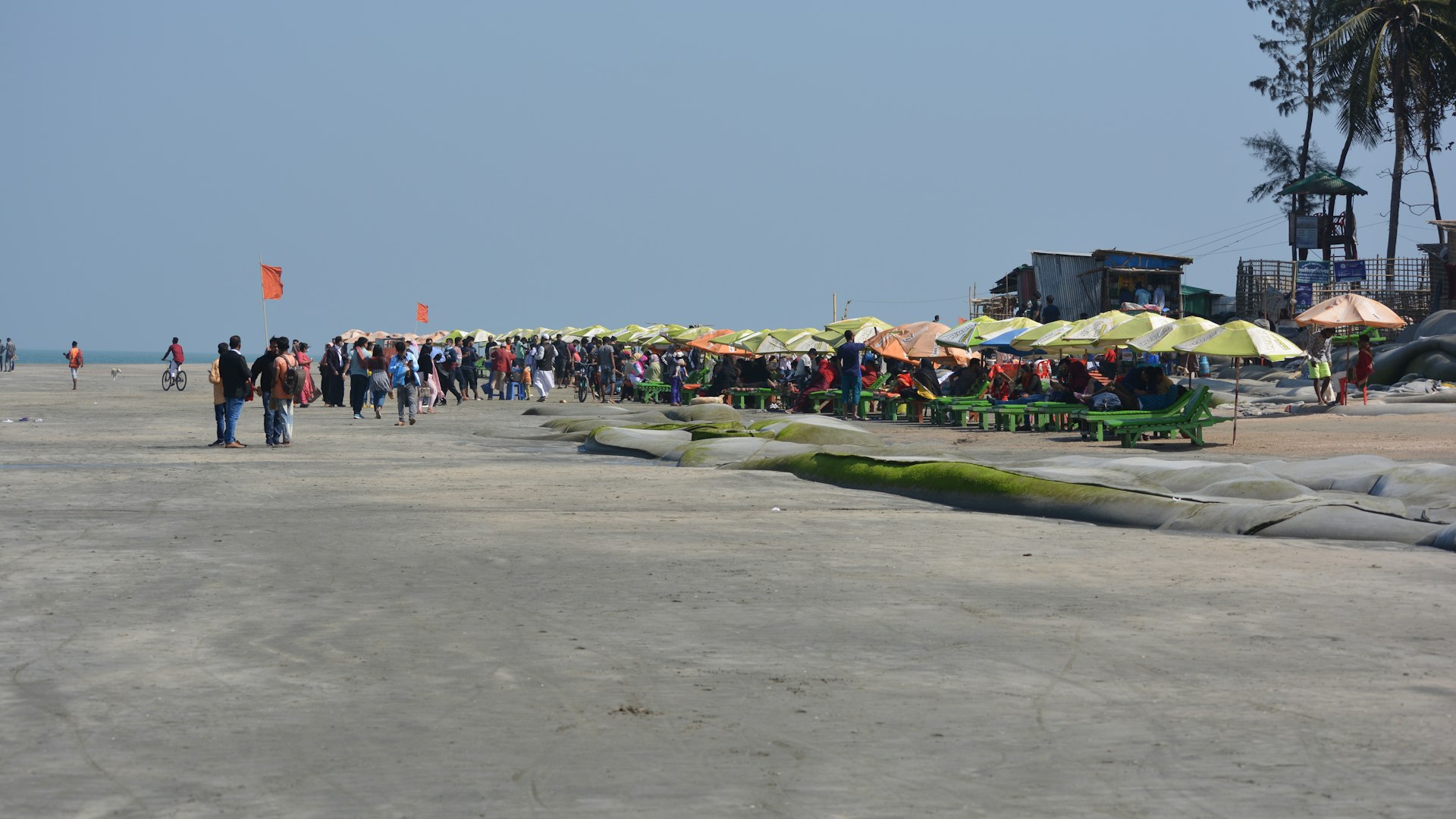
St Martin Yacht Charters

St Martin Yacht Charters

St Martin sits at the crossroads of the French and Dutch Caribbean, offering two distinct cultures, world-class provisioning, and reliable trade winds within a single compact island that rewards sailors who look beyond its famous beach bars.

Charter by Vessel Type in St Martin

Catamaran Charter in St Martin

Spacious twin-hull vessels offering stability, comfort, and generous deck space for the ultimate charter experience.

Sailing Yacht Charter in St Martin

Classic sailing vessels that combine timeless elegance with the thrill of wind-powered adventure.

Motor Yacht Charter in St Martin

Powerful luxury vessels delivering speed, sophistication, and effortless cruising across any waters.

Few islands in the Lesser Antilles compress as much variety into 87 square kilometres as St Martin / Sint Maarten. The northern third operates under French administration as Saint-Martin, governed from Marigot; the southern portion is the Dutch constituent country of Sint Maarten, with Philipsburg as its capital. For charterers, this division is a practical advantage rather than a complication. You clear customs once and gain access to two distinct maritime cultures, duty-free French provisioning of exceptional quality, and a well-maintained network of anchorages that suits both liveaboard cruising and day-sailing from a fixed base.

The island sits at the northern end of the Leeward Islands chain, roughly 300 nautical miles east-southeast of Puerto Rico. Its position puts Anguilla, St Barts, and Saba all within easy day-sail reach, making it one of the most productive charter hubs in the Caribbean for crews who want variety without covering excessive blue-water miles. The prevailing north-east trade winds blow at a dependable 15 to 20 knots through the main charter season, and the relatively short inter-island passages mean you can anchor in a completely different setting each evening.

Why Charter in St Martin

St Martin's most underappreciated asset is its provisioning infrastructure. Marigot's morning market and the cluster of French supermarkets near Marina Fort Louis stock produce, cheese, charcuterie, and wine at a standard closer to metropolitan France than anything else in the Caribbean. A serious captain or private chef can assemble a genuinely excellent larder here before departure, which matters enormously when guests are spending at the level that a crewed charter demands.

The anchorage landscape is varied and well-charted. Simpson Bay Lagoon, the large internal lagoon accessed through the Dutch bridge or the French bridge at Sandy Ground, provides flat-water anchoring and marina berths that are particularly useful when a front passes through. Outside the lagoon, Marigot Bay offers easy holding in sand, a short dinghy ride from the town quay and Friday evening fish market. Anse Marcel to the north-east is a quiet, almost fjord-like inlet that regularly shelters charter yachts looking for calm after a passage from Anguilla.

The cultural contrast between the French and Dutch sides gives itineraries genuine texture. Philipsburg's boardwalk and the shopping strip along Front Street appeal to guests who want activity ashore; Grand Case on the French side is where serious food travellers head, with a string of small restaurants — the lolos at the southern end of the main street and the more formal bistros above — that represent some of the best cooking in the Eastern Caribbean. The combination means no two evenings need feel the same, even when the yacht is anchored in the same general vicinity.

St Martin Highlights

1

Grand Case Bay on the French north coast: well-protected anchorage in 4 to 6 metres over sand, short walk to the best concentration of serious restaurants on the island. Anchor early in season as it fills quickly.

2

Anguilla's Road Bay and Sandy Ground: a 7-nautical-mile passage north from Marigot under the trades, with consistent 15-knot beam reaches each way. Anguilla's Shoal Bay East is among the finest beaches in the region and the island's lobster and crayfish preparations at beachside restaurants are consistently excellent.

3

Île Fourchue (St Barts): uninhabited volcanic islet roughly 3 nautical miles north-west of Gustavia with a horseshoe anchorage and snorkelling on the rocky points. A useful overnight stop en route between St Martin and St Barts proper.

4

St Barts' Gustavia Harbour: 22 nautical miles south-east of Philipsburg, accessible in a brisk beam reach on the return leg. The inner harbour requires advance booking via the port authority during December and January, but the outer anchorage at Gustavia and the moorings at Colombier Bay on the north-west tip offer good alternatives.

5

Simpson Bay Lagoon at sunset: the internal lagoon itself is not a sailing destination but is a genuine social one. The string of restaurants along the Dutch waterfront — particularly around the Cole Bay area — and the live music that drifts across the water on weekend evenings create a marina atmosphere that some charter guests find unexpectedly enjoyable.

6

Saba and Sint Eustatius for extended itineraries: Saba lies 28 nautical miles south-west of Sint Maarten and requires a reasonable open-water passage, but the dive sites on its submarine walls and the dramatic volcanic landscape are unlike anything else in the Leewards. Saba Marine Park moorings must be booked in advance. Best suited to itineraries of seven nights or more.

7

Tintamarre Island (Îlet Tintamarre): a small uninhabited island 3 nautical miles north-east of Orient Bay with clear, shallow water over coral and sand. A manageable afternoon sail from any anchorage on the French side and popular with snorkellers; arrive before midday on weekends.

When to Sail

The North-East Trades blow most reliably from December through April, making these months the classic high season. Summer brings warmer water, quieter anchorages, and notably lower charter rates, with the trade-off of occasional tropical disturbances from July onwards.

High Season (Jun-Sep)

Counterintuitively, the Caribbean summer — particularly June through August — can offer excellent sailing around St Martin before the statistical peak of hurricane season arrives in September. Trade winds lighten slightly compared to winter, typically running 12 to 18 knots, and the anchorages at Anguilla and St Barts carry noticeably fewer boats. Water temperature sits around 29°C and visibility for snorkelling and diving is exceptional. September is the month to watch: historically the most active month of the Atlantic hurricane season, and most experienced charter operators will have repositioning or lay-up protocols in place. Charter availability tends to thin out accordingly.

Shoulder Season (May, Oct)

May is arguably the most attractive month for value-conscious charterers with flexibility. The trade winds remain consistent, the Christmas and Easter crowds have departed, and rates drop relative to the December-to-April peak. Anchorages that were full in February are quiet and the moorings at St Barts' Gustavia become approachable without the December spectacle of superyachts four abreast. October marks the tail of hurricane season and requires monitoring; some years bring settled conditions from mid-month onwards, but forward planning around flexible departure dates is prudent.

Choosing the Right Yacht

St Martin's sailing conditions and anchorage mix strongly favour catamarans, and the island's charter fleet reflects this. The relatively short inter-island distances — most passages run under 25 nautical miles — suit a multihull's comfortable motion in the trade-wind chop rather than requiring the passage-making efficiency of a performance monohull. Catamarans also provide the shallow draft that makes anchorages like Anguilla's Little Bay and the north side of Tintamarre accessible without touching coral. For larger groups, the wide beam of a 50-foot-plus catamaran provides genuine living space on deck, which matters in the heat of the Caribbean afternoon. The Bali 5.4 represents the type well: generous beam, elevated flybridge for shade and sightlines, and a saloon layout oriented toward social entertaining rather than offshore watch-keeping.

Seven Nights from Marigot to St Barts and Anguilla

A suggested week-long charter route

Day 1

Board at Marina Fort Louis in Marigot on the French side. Late afternoon provisioning at the nearby supermarkets and a first dinner ashore in Grand Case to establish the culinary benchmark for the week. Anchor in Grand Case Bay overnight.

Day 2

Morning departure north to Anguilla, a 7-nautical-mile passage typically completed on a broad reach in under 90 minutes. Anchor at Road Bay / Sandy Ground for lunch and customs formalities at the nearby office. Afternoon dinghy to Shoal Bay East. Dinner at one of the beachfront restaurants in Shoal Bay village.

Day 3

Full day in Anguilla. West-coast exploration to Little Bay by dinghy if draft permits, or a sail around to Crocus Bay. Fresh lobster lunch. Late afternoon return passage south to anchor again at Marigot Bay for reprovisioning and the Friday fish market if timing aligns.

Day 4

22-nautical-mile passage south-east to St Barts. Sailing conditions typically feature 15 to 18 knots on a beam reach for most of the route. Arrive Gustavia mid-afternoon; anchor in the outer harbour or take a mooring at Colombier Bay on the north-west coast for a quieter night. Sunset swim at Colombier beach, accessible only by sea or trail.

Day 5

Morning in Gustavia for the market and a walk through town. Afternoon anchor at Île Fourchue for snorkelling and a quiet lunch on the hook. Return to St Barts for dinner at one of the restaurant terraces above the waterfront at Gustavia or at Lorient on the north coast.

Day 6

Sail north back toward St Martin, stopping at Tintamarre Island for a morning in clear water over the sand flats. Continue to Anse Marcel on the north-east coast of St Martin for a calm overnight anchorage. This narrow inlet provides excellent shelter and a short walk to the small hotel beach.

Day 7

Relaxed sail south along the French coast, stopping at Orient Bay for a final swim and lunch. Late afternoon transit back to Marigot or Simpson Bay depending on disembarkation arrangements. Farewell dinner at Grand Case.

Local Tips

  • Customs and immigration formalities differ by side: entering at Philipsburg satisfies Dutch Sint Maarten requirements; entering at Marigot covers the French collectivity. In practice most charter yachts clear in once and move freely, but if you plan to transit to Anguilla or St Barts you will need proper clearance papers from St Martin first. The Port Captain's office near the Bobby's Marina complex in Philipsburg is efficient and accustomed to charter traffic.
  • Simpson Bay bridge openings run on a fixed schedule and missing one adds several hours to any lagoon entry or exit plan. The Dutch bridge opens at 0900, 1100, 1730, and 2100 (times subject to seasonal variation); the French Sandy Ground bridge at 0730 and 1730. Confirm current times with your broker or marina before planning a departure.
  • Provisioning is best done on the French side. Match Point supermarket and the covered market in Marigot stock French cheeses, cured meats, fresh baguettes, and a wine selection that genuinely competes with a good Parisian cave. Prices are higher than a French mainland hypermarché but significantly better value than provisioning in Gustavia.
  • The lolos at Grand Case are casual beachside grills serving ribs, chicken, conch, and fish at modest prices relative to the formal restaurants a hundred metres up the same street. They are not a compromise; the cooking is direct and good and the tables on the sand in the evening are one of the more pleasurable experiences the island offers.
  • Fuel and water at Bobby's Marina in Philipsburg or at the IGY Marina in Simpson Bay. Both are accustomed to catamarans and can handle beam widths up to around 9 metres at the fuel dock without prior arrangement, though calling ahead on VHF during peak season is always sensible.
  • Atlantic swell wraps around the eastern tip of the island and can make anchorages on the eastern coast — Orient Bay in particular — uncomfortable in northerly swells between November and February. The bay is lovely in calm conditions but is exposed to north-east groundswell that builds without warning; monitor forecasts and be prepared to move.

Frequently Asked Questions

Do I need a cruising permit to sail between St Martin and nearby islands+
Each island group has its own entry requirements. Anguilla (British Overseas Territory) requires a cruising permit and an entry fee per person; Anguilla Customs can be found near Road Bay. St Barts (French collectivity) requires customs clearance at Gustavia Port Captain for non-EU-flagged vessels. Saba and Sint Eustatius fall under Dutch authority and have their own formalities. Your charter broker will supply an up-to-date cruising permit checklist, but plan for the paperwork to take one to two hours at each new island.
What are the typical sailing conditions around St Martin+
The North-East Trades dominate from December to April, blowing a steady 15 to 20 knots with occasional stronger periods when cold fronts push south from North America. Inter-island passages are generally short enough that wind-over-tide chop is manageable. The passage to St Barts runs east of south, which means a comfortable beam-to-broad reach outbound and a close reach or motor-sail on return depending on exact wind direction. Trade wind swell averages 1 to 1.5 metres in main season.
Is St Martin suitable for charterers with limited sailing experience+
Yes, particularly on a crewed catamaran. The passages are short, the anchorages are well-charted, and the infrastructure for provisioning and emergencies is more developed than on smaller Caribbean islands. A first-time charter couple or family group will find the scale manageable and the French side especially forgiving in terms of shore support. For bareboat charters, most operators require demonstrated offshore experience or a licensed captain given the currents in some inter-island channels.
When is the best time to visit to avoid crowds+
May and early June offer the best balance of reliable winds, emptier anchorages, and lower charter rates. The post-Easter exodus clears most of the high-season boats and the anchorages at Anguilla and St Barts are genuinely quiet. Avoid the week between Christmas and New Year if you value uncrowded anchorages; Gustavia in particular is exceptionally busy during that period, which is also reflected in elevated charter pricing.
What type of yacht works best for a group of eight to twelve people+
A large catamaran in the 50 to 60-foot range is the standard answer for groups of that size in the Caribbean. The wide beam provides outdoor living space that a monohull simply cannot match in warm weather, draft is usually shallow enough for the best anchorages, and stability at anchor keeps guests comfortable overnight. The Bali 5.4 accommodates up to fourteen guests across its cabin layout, making it suitable for larger family or group charters where cabin count matters.

Speak to our charter team to discuss availability and build an itinerary around St Martin that makes the most of the Leewards.

Request Your Charter

Request Your Charter

Tell us about your dream voyage and we will find the perfect yacht for you.