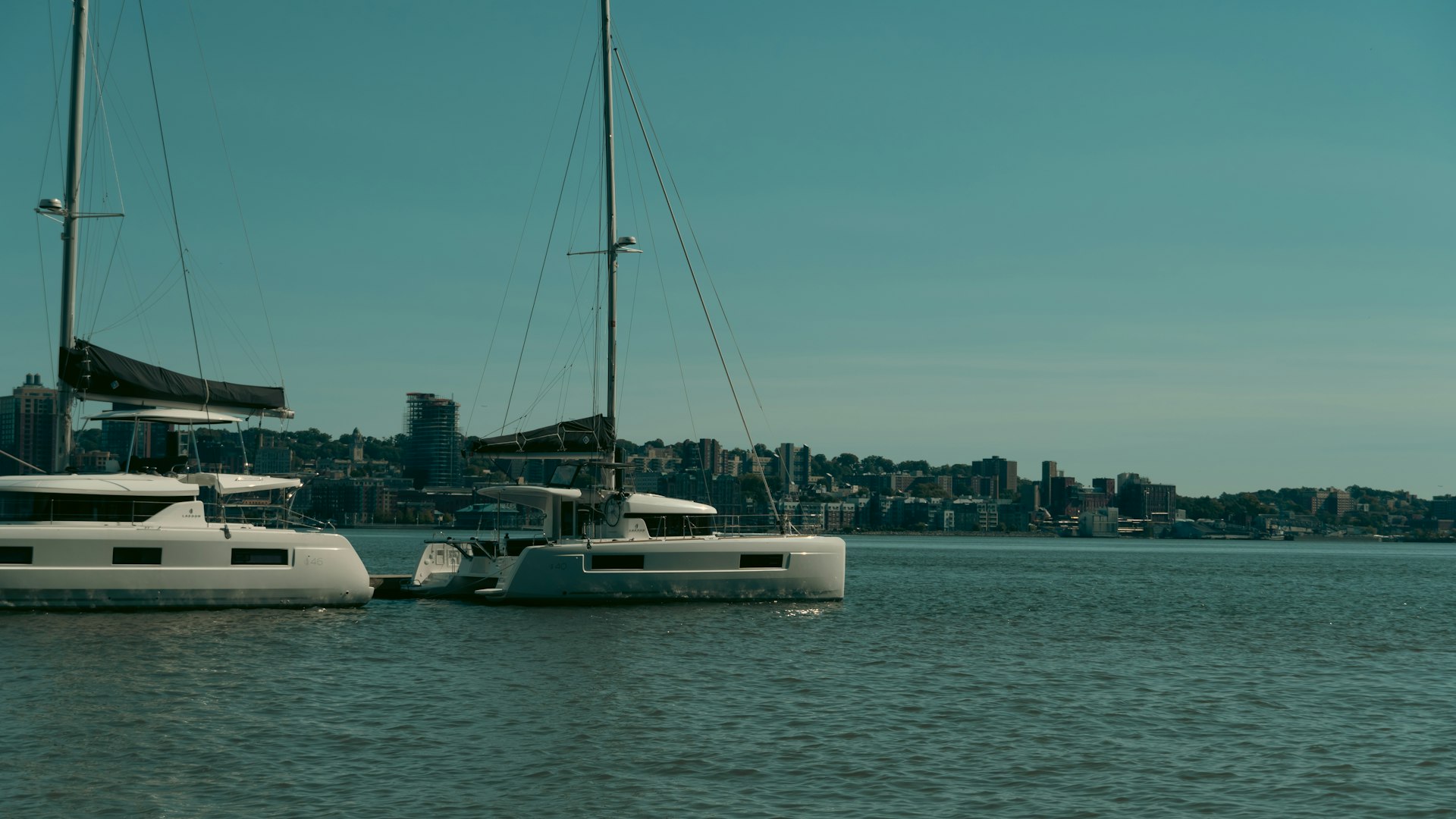
Sailing Yacht Charter Indian Ocean

Sailing Yacht Charter Indian Ocean

From the trade-wind passages of the Mascarene Plateau to the granitic anchorages of the Seychelles, the Indian Ocean rewards sailors who come prepared with the right vessel, the right season, and a preference for itineraries that most charter fleets never reach.

Chartering a sailing yacht in the Indian Ocean is not a single experience but a collection of distinct archipelagos, each with its own wind regime, culture, and character. The Seychelles inner islands offer sheltered granite bays, reliable southeast trades between May and October, and a calibre of marine life that rewards snorkellers and divers equally. Mauritius and Réunion present a more rugged proposition: oceanic swells, volcanic topography, and a Franco-Creole culinary tradition that justifies lingering ashore.

What separates an Indian Ocean sailing charter from a Mediterranean booking is scale and self-sufficiency. Distances between islands are real — passages of 50 to 180 nautical miles are routine — and provisioning windows are less forgiving than in Palma or Antibes. The reward is a degree of solitude and visual drama that crowded European waters simply cannot offer.

Why Charter in Sailing Yacht charter in Indian Ocean

The southeast trade wind (the alizé) drives the Indian Ocean sailing calendar and, when it blows consistently from May through October at 15 to 25 knots, it makes sailing the Seychelles or the Maldives an exercise in sustained pleasure rather than engine hours. Passages between islands like Praslin, La Digue, and the outer Amirantes are predominantly downwind or reach work — ideal conditions for the Bavaria and Jeanneau sailing yachts that form the backbone of the regional charter fleet.

Beyond the sailing itself, the Indian Ocean offers a cultural density that surprises first-time visitors. The Creole architecture of Mahé's Victoria, the spice markets of Stone Town in Zanzibar, the Franco-Mauritian table d'hôte lunches inland from Port Louis — these are not incidental additions to a sailing holiday but defining experiences in their own right. A sailing charter gives you the flexibility to divide your time between active passages and genuine cultural immersion.

Marine biodiversity here is exceptional. Whale sharks aggregate around Mahe and Praslin between October and February; hawksbill turtles nest on Cousin Island and Bird Island throughout the calmer months; manta rays are regular companions at cleaning stations in the outer islands. You do not need to dive to benefit — the snorkelling from a yacht's swim platform over granite boulders encrusted with hard coral is reward enough.

Sailing Yacht charter in Indian Ocean Highlights

1

Anse Source d'Argent, La Digue — shallow turquoise water framed by weathered granite boulders; anchor off the beach and dinghy ashore to one of the most photogenic stretches of sand in the southern hemisphere.

2

Curieuse Island anchorage — a Marine National Park north of Praslin where Aldabra giant tortoises roam freely on the red laterite soil; the mangrove creek behind the anchorage rewards a morning row.

3

St Anne Marine National Park, Mahé — a protected lagoon five nautical miles east of Victoria with six islands, established mooring buoys, and some of the most accessible reef snorkelling in the inner Seychelles.

4

Île aux Cerfs, Mauritius — anchored off the east coast and accessible only by boat, this island offers a quieter perspective on Mauritian waters away from the resort infrastructure of Grand Baie.

5

Baie du Cap, southern Mauritius — a working fishing village with a natural anchorage and access to the Creole fish market; provision fresh mahi-mahi or capitaine directly from returning boats.

6

North Island passage, Seychelles — the 35-nautical-mile passage from Mahé to Bird Island in settled southeast trades is a full-day offshore sail with consistent 20-knot conditions and a real sense of ocean.

7

Aldabra Atoll approach — for blue-water capable yachts on extended passages, the UNESCO-listed Aldabra offers a genuinely remote atoll experience; permits are required through the Seychelles Islands Foundation well in advance.

When to Sail

The Indian Ocean sailing season is governed by two monsoons. The dry southeast trades from May to October provide the most consistent sailing conditions across the Seychelles and Maldives, while the northwest monsoon from November to March brings warmer but less predictable weather with elevated rainfall.

High Season (Jun-Sep)

The southeast monsoon is fully established by June, delivering 15 to 25 knot trades with reliable direction across the inner Seychelles. Seas are moderate to fresh, visibility underwater is excellent, and humidity is manageable. Anchorages on the western coasts of Praslin and Mahé offer the best shelter during this period. Demand for charter yachts peaks in July and August — book at least four to six months ahead for premium berths and provisioning slots at Port Victoria or Praslin's Baie Sainte Anne.

Shoulder Season (May, Oct)

May and October represent genuine sweet spots. The trades are either building or easing, winds average 12 to 18 knots, and anchorages are less congested than peak summer. October in particular offers warm water temperatures (around 28°C), excellent visibility, and the first sightings of whale sharks moving north toward Mahé. Some charter bases offer modestly reduced rates relative to July and August, and crew availability is generally broader.

Choosing the Right Yacht

For the Indian Ocean, a performance cruising monohull in the 40 to 52-foot range is the most versatile choice. The Bavaria 46 and Jeanneau Sun Odyssey 469 in particular are well-suited to the trade-wind conditions prevalent between May and October: their underbody geometry handles the moderate ocean swell comfortably, their canvas area makes the most of broad reaching angles that dominate inter-island passages, and their watermaker capacity and fuel range provide the self-sufficiency that island-hopping demands. The Dufour 520 GL offers more volume below decks — relevant if you are travelling with four or more adults who need cabin privacy after multi-day passages.

Seven Days in the Inner Seychelles from Mahé

A suggested week-long charter route

Day 1

Board and provision at Port Victoria, Mahé. The capital's market on the waterfront provides fresh fruit, Creole spices, and locally caught reef fish. Depart mid-morning on a 14-nautical-mile reach under the southeast trades to Ste Anne Marine National Park. Anchor in the lee of Moyenne Island by early afternoon, snorkel the established reef sites, and dine aboard.

Day 2

Early morning departure east of Mahé, then a 20-nautical-mile passage northeast to Praslin. Arrive at Baie Sainte Anne on the island's southeastern tip — the principal charter marina for Praslin. Check in with the harbormaster and take the afternoon to visit the Vallée de Mai Nature Reserve, a UNESCO World Heritage Site and the only wild habitat of the endemic coco de mer palm.

Day 3

A short five-nautical-mile passage from Praslin to Curieuse Island. Secure to a mooring buoy (required inside the Marine National Park) by mid-morning. Explore the mangrove creek by dinghy, walk to the ranger station where giant tortoises congregate, and return to the yacht for a late lunch. Afternoon snorkel at Anse St José on the northern tip of Curieuse.

Day 4

Sail the six nautical miles southwest to La Digue and anchor in the roadstead off La Passe. Bicycles are the primary transport on the island — hire them from the village and ride south to Anse Source d'Argent before the day-trippers from Praslin arrive. Return aboard for sundowners on the hook as the light goes gold over the granite headlands.

Day 5

A longer passage day: 40 nautical miles south-southeast back toward Mahé with a stop at Île Thérèse, a small uninhabited island on Mahé's western shore. The passage is predominantly a beam-to-broad reach in settled trades. Anchor in the turquoise shallows off the island's southern tip for a late-afternoon swim. Evening return to Anse à la Mouche on Mahé's southwestern coast.

Day 6

Spend the morning ashore at Anse à la Mouche — a relaxed Creole fishing village with a genuine local restaurant serving grilled fish with ladob (breadfruit cooked in coconut milk). Afternoon at leisure: sail north along Mahé's western coast to Beau Vallon Bay, anchoring off the beach for sunset. The bay faces northwest and is sheltered from the southeast trades.

Day 7

Final morning sail south along Mahé's eastern coast in the shelter of the island, returning to Port Victoria for disembarkation. Allow time to visit the Sir Selwyn Selwyn-Clarke Market for last provisions and gifts before the yacht handover formalities with the charter base.

Local Tips

  • Entry formalities are swift but mandatory: the Seychelles requires yacht clearance through Port Victoria's Customs and Immigration before proceeding to any other island. Keep original copies of all passports, the charter contract, and the certificate of registry accessible at all times.
  • Provisioning in Port Victoria is thorough by Indian Ocean standards — the SMB hypermarket and the waterfront market together cover most requirements — but specific items (particular wines, dietary alternatives, premium spirits) should be requested from your charter manager before arrival to allow the base to source them.
  • Mooring buoys are mandatory inside all Marine National Parks in the Seychelles inner islands. Do not anchor where buoys are installed. National Park fees are charged per person per day and must be paid in Seychelles rupees or US dollars; your base can advise on current rates.
  • Creole cuisine rewards the curious sailor willing to eat ashore at unmarked local restaurants (often called table d'hôte) rather than resort dining rooms. Ask your charter base for current recommendations around Praslin and La Digue — the best are word-of-mouth operations with limited covers, and a same-day reservation is advisable.
  • Underwater visibility in the outer granite islands is markedly better than around Mahé's more developed coastline. If marine life is a priority, prioritise passages to Curieuse, Aride, and the Cousine Island area where nutrient upwelling from the Mascarene Plateau supports richer fish populations.
  • The Indian Ocean sun at 4 to 9 degrees south latitude is considerably stronger than Mediterranean equivalents. Sun protection, a full bimini, and adequate shade on the helm station are not luxuries — discuss cockpit shade solutions with your charter manager before selecting a specific yacht.

Frequently Asked Questions

What sailing experience do I need to charter a yacht in the Seychelles+
Most charter bases in the Seychelles require the skipper to hold at least a Day Skipper qualification or equivalent with logged offshore passage experience. Given inter-island distances of 20 to 40 nautical miles and the need to navigate coral heads and mooring zones, a Coastal Skipper standard is more appropriate in practice. First-time visitors to the region are strongly advised to take a professional skipper for at least the first few days to understand local navigation idiosyncrasies.
Is a bareboat charter realistic in the Indian Ocean or should I hire a skipper+
Bareboat is entirely feasible for competent sailors between May and October when the southeast trades provide predictable conditions. Outside this window, the transitional and northwest monsoon months introduce squalls, variable winds, and reduced visibility that make local knowledge considerably more valuable. A professional skipper adds roughly EUR 150 to 200 per day to your budget and transforms inter-island navigation from a task requiring constant attention into a learning experience.
How far in advance should I book an Indian Ocean sailing charter+
For July and August departures, a minimum of five to six months' lead time is advisable for the Seychelles. Charter yachts in the 40 to 52-foot range from reputable bases are fully committed well before that for school-holiday windows. Shoulder season bookings (May and October) can often be arranged with two to three months' notice, and last-minute availability occasionally exists for October departures.
What is the typical weekly cost for a sailing yacht charter in the Indian Ocean+
Sailing yachts in the 40 to 52-foot range from established Indian Ocean bases are available from around EUR 1,750 per week at the entry level, with well-equipped four-cabin yachts from Dufour and Jeanneau typically positioned in the EUR 2,100 to 3,000 range depending on season and specification. This is the bare charter fee; budget separately for APA (advance provisioning allowance), park fees, fuel, and skipper if required.
Can I sail between the Seychelles and Mauritius on a standard charter+
Not on a typical one-week bareboat charter. The Seychelles to Mauritius passage covers approximately 1,100 nautical miles of open ocean and is an offshore blue-water undertaking requiring a category-rated vessel, an experienced offshore crew, and a minimum of seven to ten days at sea. Most Indian Ocean charters are structured as island-hopping itineraries within a single archipelago. If a trans-oceanic passage interests you, that requires a bespoke expedition arrangement rather than a standard bareboat booking.
Are the sailing conditions in the Indian Ocean suitable for families with children+
May through September in the inner Seychelles is genuinely family-friendly sailing. Passages are short, anchorages are calm on the leeward sides of islands, and the warm water temperature (27 to 29°C) makes swimming and snorkelling accessible even for young children. The outer islands and any passages of more than 30 nautical miles introduce genuine ocean swell, which is less suited to younger or less experienced crew members prone to seasickness.

Speak to a SelectYachts specialist to match the right sailing yacht to your preferred Indian Ocean itinerary and travel window.

Request Your Charter

Request Your Charter

Tell us about your dream voyage and we will find the perfect yacht for you.