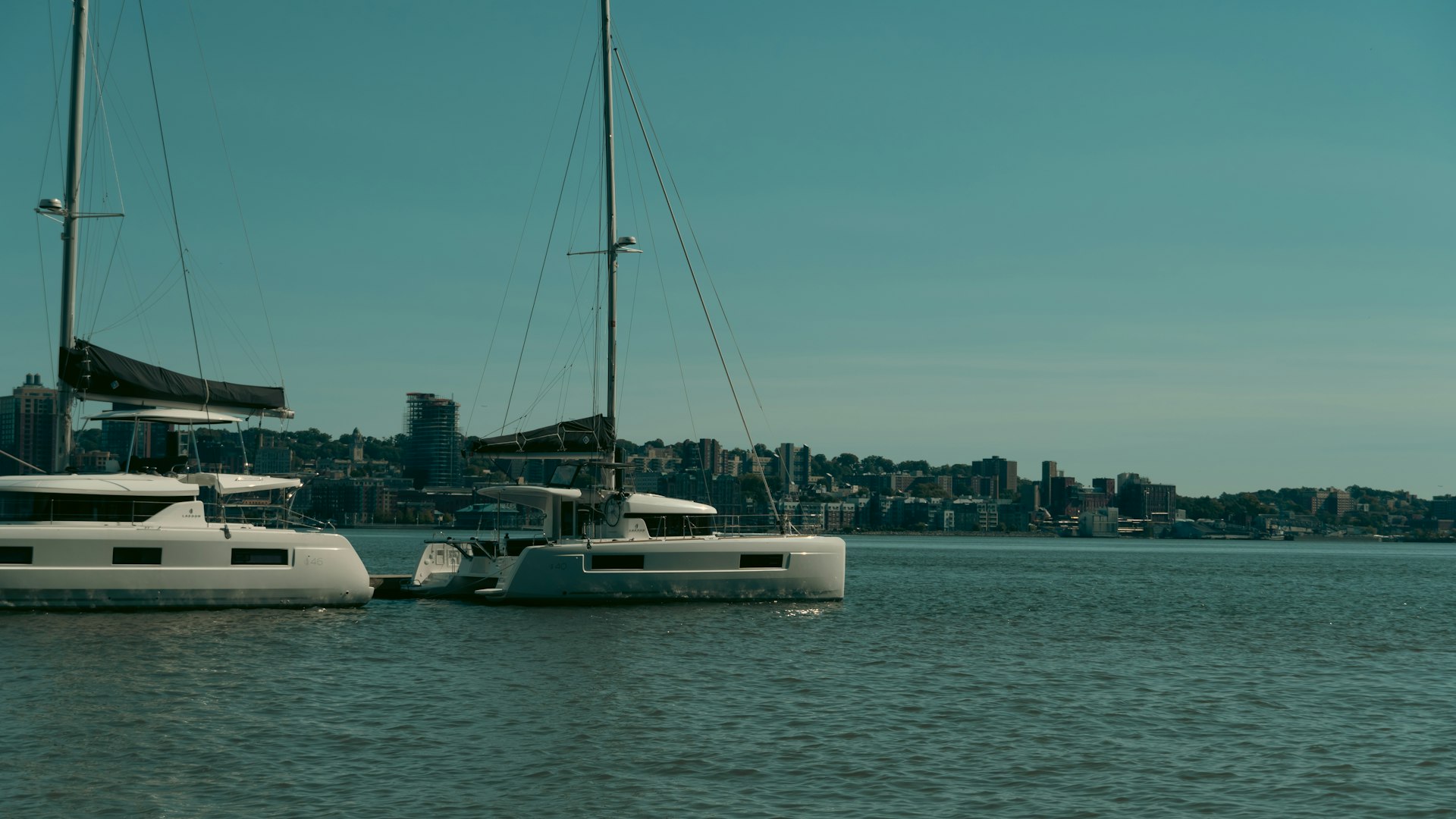
Sailing Yacht Charter US Virgin Islands
Trade winds averaging 15–25 knots from the east, clear anchorages within easy reach of each other, and American entry formalities — the US Virgin Islands offer experienced charterers a technically satisfying and logistically uncomplicated Caribbean passage.
Sailing Yachts Available in US Virgin Islands
Browse our selection of sailing yachts available for charter in US Virgin Islands.
Other Vessel Types in US Virgin Islands
The US Virgin Islands sit at the northern end of the Lesser Antilles chain, roughly 40 nautical miles east of Puerto Rico, and they have been a blue-water sailor's practical base for decades. St Thomas, St John, and St Croix form the core of the territory, with dozens of smaller cays and offshore banks filling the spaces between. What distinguishes chartering here is the quality of the sailing itself — consistent easterly trade winds, short passages between anchorages, and a protected corridor of water between St Thomas and the British Virgin Islands that rewards both novice charterers and those who simply want reliable conditions without the unpredictability of more exposed island groups.
Charlotte Amalie on St Thomas is one of the most capable provisioning and logistics hubs in the Caribbean. Once you clear customs at the dock, the sailing plan becomes your own. You might beat northward into Pillsbury Sound for a week among St John's national park coastline, or make the short offshore hop southeast toward Buck Island Reef National Monument near St Croix. The range is genuine, the infrastructure is dependable, and the sailing is honest.
Why Charter in Sailing Yacht charter in US Virgin Islands
The USVI operates under US jurisdiction, which means American citizens and most international visitors face none of the customs complexity typical of moving between sovereign island nations. Credit cards work, mobile data is domestic, and medical facilities in St Thomas are among the best available in the eastern Caribbean. For charterers who want to focus on sailing rather than administration, this framework matters.
From a purely nautical standpoint, the Sir Francis Drake Channel — shared with the British Virgin Islands to the east — is one of the finest sheltered sailing corridors in the Atlantic basin. Trade winds funnel reliably from the east-northeast between November and June, maintaining a consistent 15 to 22 knots with moderate seas. Even outside peak season the wind remains present. Pillsbury Sound, the channel between St Thomas and St John, provides excellent upwind and reaching angles for day sailing without committing to longer offshore passages.
The anchorages vary meaningfully. Caneel Bay on St John is calm, reef-protected, and set against the National Park's forested hills. Cruz Bay offers supplies and good restaurants a dinghy ride away. The Annaberg Plantation ruins are accessible by dinghy from Leinster Bay — a half-day excursion that combines history with one of the less-trafficked snorkel sites in the territory. The USVI rewards charterers who look slightly beyond the obvious stops.
Sailing Yacht charter in US Virgin Islands Highlights
Trunk Bay, St John — a National Park Service beach with a marked underwater snorkel trail; arrive before 10:00 to hold a mooring ball before the day-trippers arrive.
Buck Island Reef National Monument, St Croix — a 50-nautical-mile passage from St Thomas but worth the overnight for an elkhorn coral reef system rarely equalled in the USVI.
Caneel Bay anchorage, St John — well-protected, reef-fringed, and set beneath the park's preserved hillside; one of the most sheltered overnight anchorages in the territory.
Christmas Cove, Great St James Island — a short sail from Red Hook with good holding, calm water, and a pizza boat that has become a legitimate institution.
Annaberg Sugar Mill, Leinster Bay — ruins of an 18th-century plantation accessible by dinghy from the bay; the snorkelling on the reef at the bay's mouth is consistently good and far less visited than Trunk Bay.
Water Island and Honeymoon Bay — a short sail from Charlotte Amalie harbour, with shallow, calm water and a laid-back beach bar that represents St Thomas's quieter side.
The Narrows passage toward Tortola — if the charter includes a BVI permit, the 8-nautical-mile reach through The Narrows under full sail in 20 knots of trade wind is among the most satisfying day passages in the region.
When to Sail
The USVI has a clearly defined sailing season running from mid-November through June, driven by the reliability of the northeast trade winds. Summer brings the Atlantic hurricane season and lighter, more variable winds, but also noticeably lower charter rates and quieter anchorages.
High Season (Jun-Sep)
Counterintuitively, June through August sits within the nominal hurricane season (June 1 to November 30), but the USVI's established infrastructure and good harbour options make early summer acceptable for experienced charterers willing to monitor weather actively. Winds are lighter and more easterly, often 10–18 knots, and afternoon squalls become more frequent from August onward. September is the statistical peak of hurricane activity and is best avoided by most charterers. Anchorages are quieter and rates soften meaningfully, but weather vigilance is non-negotiable.
Shoulder Season (May, Oct)
May is arguably the finest month to charter in the USVI — trade winds are still consistent from the northeast at 15–20 knots, sea temperatures are warm, visibility is excellent, and the Christmas–Easter crowds have cleared. October sits at the tail end of hurricane season and requires the same weather awareness as August, but charterers who know the territory and have flexibility in their schedule often find excellent conditions mid-month once the peak hurricane period has passed. Both months offer better availability and rates than the core winter season.
Choosing the Right Yacht
Sailing yachts in the 58–65 foot range are the natural fit for the USVI's trade wind conditions and anchorage depths. The passages are short — rarely more than 15 nautical miles between stops — but the wind is present and consistent enough to reward a well-found performance cruiser rather than a motorboat. Beneteau's Oceanis 62 and the Beneteau 60 represent the kind of capable, beamy blue-water cruiser that suits this circuit well: sufficient sail area to perform meaningfully in 15 knots on a reach, draft appropriate for anchoring close to shore in most USVI bays, and the deck space and internal volume to make a week aboard genuinely comfortable for a group.
Seven Days Among the US and British Virgin Islands
A suggested week-long charter route
Embark in Charlotte Amalie, St Thomas. Complete provisioning at the marina — the West Indies Company Dock area has good access to stores — then motorsail east through Pillsbury Sound in the afternoon. Anchor at Christmas Cove off Great St James Island for the first night. Short passage, easy start, excellent holding ground.
Morning snorkel at Christmas Cove reef, then sail northeast to Cruz Bay, St John for customs check-in formalities if crossing to the BVI later in the week. Afternoon: move along the north shore to Caneel Bay for the night. Dinghy ashore for dinner at one of the small restaurants near the Cruz Bay ferry dock.
Beat east along St John's north coast, pausing at Trunk Bay on a mooring ball for mid-morning snorkelling before the day boats arrive in numbers. Continue east to Leinster Bay and anchor for the afternoon. Walk to the Annaberg ruins before sundown. Quiet anchorage, good holding.
Cross into the BVI via The Narrows (ensure BVI cruising permit and crew manifest are prepared in advance — these should be arranged before departure). Reach across to Norman Island in the British Virgin Islands, anchor in The Bight. Dinghy to The Caves at Treasure Point for afternoon snorkelling in the grottos.
Sail north past Peter Island to anchor at Great Harbour, Jost Van Dyke — the Foxy's Tamarind Bar has been a sailor's fixture here for over 50 years. Late afternoon arrival gives time to walk to White Bay on the island's south shore before dinner ashore.
Morning in White Bay, then beat back west through The Narrows to re-enter USVI waters. Return to Caneel Bay or Cruz Bay for the final night — the sail back is typically a lively close reach in 18–22 knots. Dinner ashore in Cruz Bay to close the passage properly.
Leisurely morning sail back to Charlotte Amalie via the south side of St Thomas if wind allows — approximately 2 hours under sail. Disembark by early afternoon. Yacht return and checkout formalities at the marina.
Local Tips
- •Provisioning in Charlotte Amalie is reliable and worth doing thoroughly at the start. Cost Plus Wine and Pueblo supermarket are both accessible from the marina district. Specialty items — charcuterie, good cheese, fresh fish — are easier to source here than at any subsequent stop, including in the BVI.
- •If your itinerary includes the British Virgin Islands, arrange the BVI cruising permit and crew manifest in advance through your broker or the BVI Customs authority. Arriving at Road Town without documentation causes delays and potential fines. Entry fees are per person and have increased in recent years.
- •Mooring balls in the National Park waters around St John are mandatory where provided — anchoring in National Park territory is prohibited in most designated areas. Balls are available on a first-come basis and fill quickly in high season; plan to arrive at Trunk Bay or Caneel Bay no later than 09:00.
- •The local food worth seeking out is Crucian and Virgin Island Creole cooking rather than the resort menus. In St Croix, the Saturday morning farmers' market in Christiansted is excellent for fresh produce, local hot sauce, and pasteles. On St John, the Miss Lucy's tradition of Sunday brunch at Fish Bay is worth the dinghy trip.
- •Red Hook on St Thomas's east end is the practical base for those sailing east into Pillsbury Sound rather than departing from Charlotte Amalie. The marina has fuel, ice, and provisioning options and cuts 45 minutes off the first day's passage toward St John.
- •US dollar is the currency throughout the territory and tipping norms match those of the mainland US. A 15–20% tip on restaurant bills and for shore-side services is expected and appreciated — the local service economy depends heavily on it during and after the charter season.
Frequently Asked Questions
Do I need a passport to charter in the USVI as a US citizen+
What is the typical charter rate for a sailing yacht in the USVI+
Is the USVI suitable for charterers without offshore sailing experience+
When should I avoid chartering in the USVI+
Can I sail from the USVI to the British Virgin Islands on a charter+
What are the mooring and anchoring rules around St John+
Speak with a SelectYachts broker to compare available sailing yachts for your USVI dates and build an itinerary matched to your pace and sailing experience.
Request Your Charter
