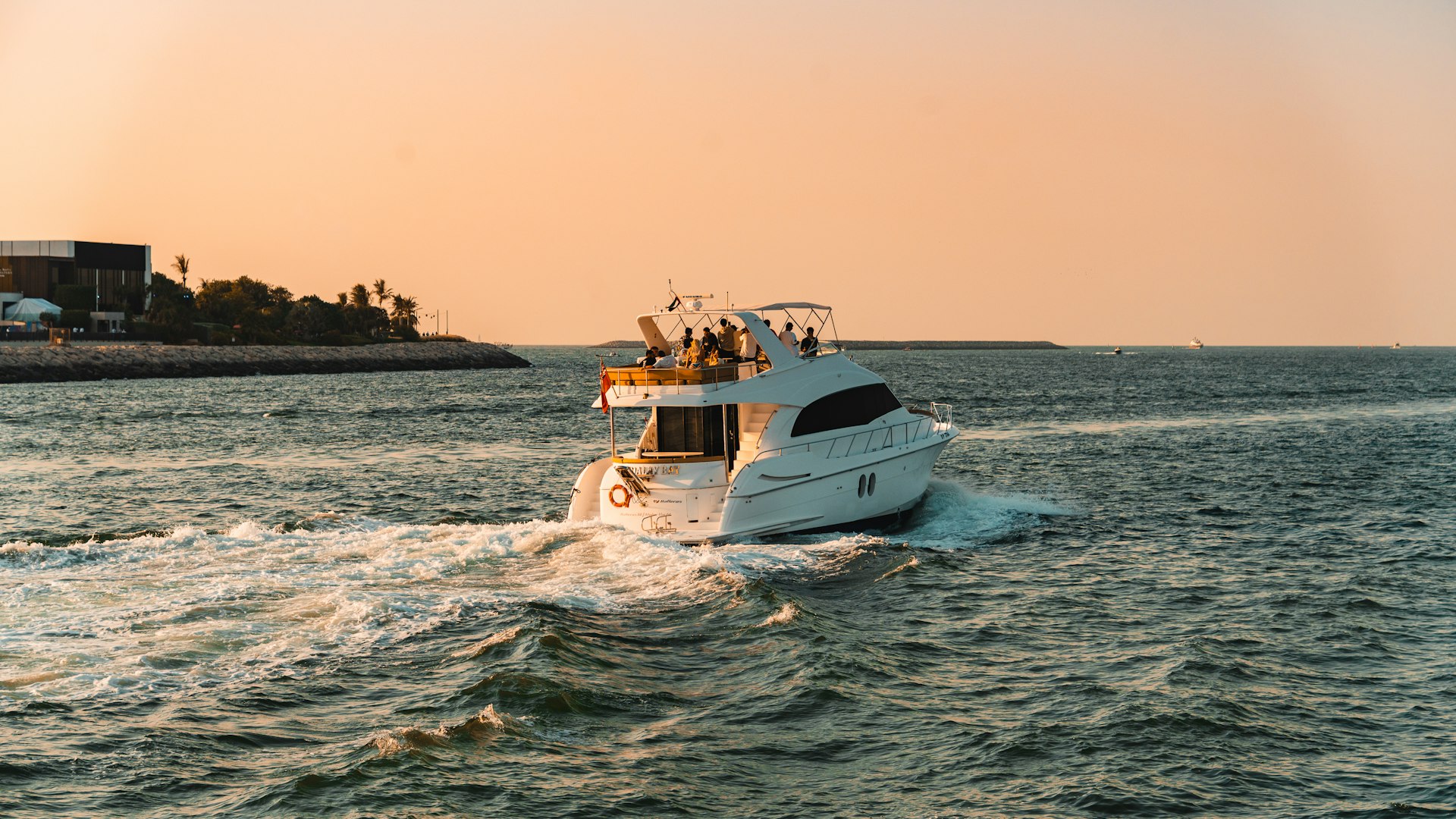
Motor Yacht Charter US Virgin Islands

Motor Yacht Charter US Virgin Islands

The US Virgin Islands offer some of the Caribbean's most manageable cruising grounds, with protected anchorages, consistent trade winds, and just enough distance between St Thomas, St John, and St Croix to feel properly offshore. A motor yacht puts the full archipelago within a half-day's range.

Motor Yachts Available in US Virgin Islands

Browse our selection of motor yachts available for charter in US Virgin Islands.

Chartered under the American flag, the USVI removes most of the logistical friction that complicates Caribbean cruising elsewhere. US passport holders need no entry documentation, provisioning in Charlotte Amalie rivals anything in the region, and the island group's compact geography means you can anchor off a remote beach for lunch and be back in a well-serviced marina by sundowner. The waters between St Thomas and St John are among the safest in the Caribbean for first-time charterers, yet experienced crews will find the passages to the British Virgins and down to St Croix genuinely engaging.

What the USVI rewards is decisiveness. The islands are popular, and the best anchorages at Trunk Bay, Cinnamon Bay, and the Bight at Norman Island fill quickly in high season. A well-crewed motor yacht, capable of covering ground in the early morning before the charter fleet has moved, is arguably the most effective tool for making the most of this destination. You leave on your schedule, not on the wind's.

Why Charter in Motor Yacht charter in US Virgin Islands

The USVI sits at the northern end of the Lesser Antilles chain, where the Atlantic meets the Caribbean. The eastern trade winds blow from the east-northeast at 15 to 25 knots for much of the year, making the Sir Francis Drake Channel and the passages around St John predictable for passage planning. Current runs broadly westward through the main channels, and sea states in the protected waters between the islands rarely trouble a well-found motor yacht. St Croix, 40 nautical miles to the south, sits in deeper water and requires a proper offshore passage, but it rewards the effort with wall diving at Cane Bay and a less visited Old Town in Christiansted.

Charlotte Amalie's Yacht Haven Grande marina offers full concierge services, fuel docks, and access to one of the Caribbean's most capable provisioning networks. Fresh produce, premium spirits, and duty-free provisions are all available at realistic prices. The marina has handled superyachts to 500 feet and the services reflect that level of clientele. Alternatively, American Yacht Harbor at Red Hook, on St Thomas's eastern tip, positions you closer to St John and the BVIs if your itinerary extends that way.

US customs and border protection rules apply throughout, and for itineraries that cross into British Virgin Islands waters, a straightforward clearance at Road Town or West End is required. Many charterers use the USVI as a base and make day trips or one-night stops in the BVIs, returning to the American side without complication. The regulatory environment is familiar, the liability framework is American, and the dollar is the currency. For HNW clients who prefer operational clarity, few Caribbean jurisdictions match it.

Motor Yacht charter in US Virgin Islands Highlights

1

The Bight, Norman Island – The unofficial centrepiece of any BVI day trip from St Thomas. Four caves at Treasure Point offer snorkelling in turquoise shallows, and the floating bar and restaurant at Willie T's has genuine character. Anchor in the mooring field by mid-morning to secure a position.

2

Trunk Bay, St John – A National Park beach with a marked underwater snorkelling trail, accessible only by dinghy from a mooring. It attracts visitors early; arriving before 09:00 from a nearby overnight anchorage transforms the experience entirely.

3

Christmas Cove, Great St James Island – A short run from Red Hook and consistently one of the best anchorages in the USVI for an evening at anchor. Calm water, good holding, and close enough to Charlotte Amalie for a late-night departure or early-morning provisioning run.

4

Cane Bay Wall, St Croix – A 40-nautical-mile passage south from St Thomas, but the north shore of St Croix drops from 10 metres to over 900 metres within a few hundred feet of the beach. One of the Caribbean's great wall dives, with black coral, eagle rays, and occasional hammerheads in the deeper water.

5

Christiansted Harbour, St Croix – Anchor off the restored Danish colonial waterfront and take the dinghy to the town dock. The fort, the scale house, and the market buildings give St Croix a historically grounded character that St Thomas's cruise-ship commerce has largely obscured.

6

Caneel Bay, St John – The sheltered bay on St John's northwest corner offers well-protected overnight anchorage and access to several quiet beaches within walking distance. The National Park boundary keeps the shoreline clear of development.

7

Pillsbury Sound – The passage between St Thomas and St John runs roughly three nautical miles across and serves as both a practical transit route and an afternoon anchorage area in its own right. The current runs predictably, the fetch is short, and the water clarity is reliable enough that a midday drift in the sound is worth scheduling.

When to Sail

The USVI has a broadly year-round sailing season, with the traditional high season running December through April when the trade winds are most reliable and rainfall is lowest. The summer months bring warmer water, quieter anchorages, and lower charter rates, balanced against a higher probability of tropical weather.

High Season (Jun-Sep)

Counter-intuitively for many clients, June through August can be an excellent time to charter in the USVI. Anchorages that are fully occupied in February are noticeably quieter, the water temperature reaches 29°C, and visibility for diving is at its peak. The trade winds moderate slightly but remain broadly reliable through July. Hurricane season runs June through November, with the statistical peak in September. Reputable charter yachts will have hurricane contingency clauses in their agreements, and the fleet operators monitor NHC forecasts closely. September and October carry the highest risk and are best avoided unless you are comfortable with the forecast-dependent nature of the planning involved.

Shoulder Season (May, Oct)

May offers a compelling window between the winter crowds and the onset of summer humidity. The trades are still blowing, rainfall is increasing but manageable, and charter rates are often softer than the December to April peak. October is statistically the most active month of hurricane season and sits in a different risk category from May. Clients chartering in October should have full cancellation flexibility negotiated into their agreement and should be prepared to adjust itineraries at short notice. The upside, if the weather cooperates, is near-empty anchorages and exceptional underwater visibility following summer's calm water.

Choosing the Right Yacht

A motor yacht in the 84 to 90-foot range is the practical optimum for USVI chartering. The distances between principal destinations are short enough that sailing performance is less relevant than range, deck space, and the ability to cover 40 nautical miles to St Croix in reasonable comfort. Italian-built hulls from Azimut and Ferretti at this length offer the combination of flybridge entertaining space, stabilised passages, and enough draft to stay comfortable in the modest Atlantic swell that wraps around St John's eastern shore on windier days. These are not shallow-draft islands, and the concern is not grounding so much as sea-keeping in the Sir Francis Drake Channel when the trades pipe above 25 knots.

Seven Days Through the USVI and Southern BVI

A suggested week-long charter route

Day 1

Board at Yacht Haven Grande, Charlotte Amalie. After a thorough briefing with the captain and a review of the week's weather window, depart mid-afternoon for the 6-nautical-mile run to Christmas Cove. Anchor before the evening crowd settles and use the remaining daylight to brief guests on snorkelling gear and dinghy protocol. First dinner aboard.

Day 2

Early departure east through Pillsbury Sound to St John. Secure a National Park mooring at Trunk Bay by 08:30 before the day-tripper boats arrive from Cruz Bay. Snorkel the underwater trail, then reposition to Caneel Bay for lunch at anchor. Afternoon swim and kayaking. Overnight at Caneel Bay in settled conditions.

Day 3

Transit northeast through the Narrows to Norman Island in the British Virgin Islands. US CBP departure formalities completed the prior evening via the CBP ROAM app. Anchor in the Bight by mid-morning. Snorkel the caves at Treasure Point, take the tender to the floating bar for lunch, and spend the afternoon exploring the mooring field. Overnight at Norman Island.

Day 4

North to Peter Island for breakfast at anchor at Sprat Bay, then across the Sir Francis Drake Channel to Virgin Gorda. Clear BVI customs at the Bight if required. Afternoon at The Baths, where granite boulders form a series of tidal pools and passages accessible only by swimming. Overnight mooring at North Sound, Virgin Gorda.

Day 5

Return passage southwest, calling at Cooper Island for a beach lunch, then transiting back through the Narrows into USVI waters. Re-enter US jurisdiction, activate CBP ROAM reporting. Overnight anchorage at Great Lameshur Bay, St John, on the quieter south coast. An excellent night dive location and notably free of charter traffic by evening.

Day 6

Offshore passage south to St Croix, approximately 40 nautical miles from St John's southern tip. Depart at first light to arrive at Christiansted by mid-morning. Dinghy ashore to the Danish waterfront. Afternoon dive at Cane Bay Wall with the yacht's certified guide. Overnight at anchor off Christiansted.

Day 7

Return passage north to St Thomas, arriving at American Yacht Harbor, Red Hook by early afternoon. Final lunch aboard in the marina. Disembarkation at Red Hook, with transfer options to Cyril E King Airport on the island's western side approximately 20 minutes by road. Charter formalities completed with the captain.

Local Tips

  • CBP ROAM app clearance has replaced the physical report-in requirement for US vessels returning from the BVIs. Captains handle this routinely, but clients should know the process exists. Passports are required for all guests on any itinerary that enters BVI waters, regardless of nationality.
  • Provisioning at Charlotte Amalie is best handled through a dedicated yacht provisioner rather than supermarket runs. Cost Plus Wines and several specialist marine provisioners can deliver bonded stores, fresh catch from the St Thomas fish market, and duty-free spirits directly to the dock at Yacht Haven Grande. Order 48 hours ahead of boarding.
  • The National Park mooring fields at St John fill by mid-morning in high season. There are no exceptions for larger yachts, and anchoring is prohibited in several key areas to protect seagrass. Brief your captain on target anchorages at the start of the week and build early-start days into the itinerary accordingly.
  • St Croix requires a genuine offshore passage and conditions in the Anegada Passage can deteriorate quickly when a front pushes through. The passage is typically smooth in the early morning before the trades build, and the captain will schedule the transit accordingly. Do not plan this leg on the last day of your charter with a tight airport connection.
  • Tipping convention follows the US model. The industry standard is 15 to 20 percent of the base charter fee distributed to the crew at the end of the week. In cash or via the yacht's payment terminal. Crew gratuities are separate from the APA (Advance Provisioning Allowance) and should be budgeted accordingly.
  • Fuel costs in the USVI are materially lower than in the BVIs due to US tax structures. If your itinerary includes extended time in BVI waters, discuss the fuelling strategy with your captain. Topping up at Red Hook or Yacht Haven Grande before crossing is standard practice and can represent a meaningful saving over a week's running.

Frequently Asked Questions

Do I need a passport to charter in the US Virgin Islands+
US citizens do not require a passport for a charter confined to USVI waters, but a government-issued photo ID is required for all guests at all times. If your itinerary extends into the British Virgin Islands, all guests regardless of nationality must hold a valid passport. We strongly recommend all clients travel with passports for any USVI charter to preserve full itinerary flexibility.
What is the Advance Provisioning Allowance and how much should I budget+
The APA is a pre-paid fund held by the captain to cover running costs during the charter, including fuel, provisioning, mooring fees, port dues, and crew expenses ashore. For a motor yacht in this size range, an APA of 30 to 35 percent of the base charter fee is typical. At the end of the charter, the captain provides a full itemised accounting and any unspent balance is returned to you. Fuel is the largest variable, particularly if your itinerary includes the St Croix passage.
How far is the US Virgin Islands from the British Virgin Islands+
The passages are short. Norman Island, typically the first BVI stop from St John, is approximately 8 nautical miles from the Narrows. Road Town, Tortola is roughly 18 nautical miles from Charlotte Amalie. At cruising speeds typical of an 84 to 90-foot motor yacht, the BVIs are within an hour to ninety minutes of St Thomas. This is why combined USVI and BVI itineraries are so practical.
Is the USVI suitable for non-sailors or guests with no previous charter experience+
Entirely. The calm waters of Pillsbury Sound and the protected anchorages around St John are among the most forgiving cruising grounds in the Caribbean. A fully crewed motor yacht means guests have no sailing responsibilities whatsoever. The professional captain handles all passage planning, customs formalities, and anchoring. First-time charterers consistently find the USVI an excellent introduction to yacht charter.
What are the main costs beyond the base charter fee+
Beyond the base fee you will budget for the APA (fuel, provisioning, mooring fees), crew gratuity (15 to 20 percent of the charter fee, paid at the end of the week), return flights to St Thomas, and any pre-charter hotel accommodation if you are arriving the day before boarding. BVI entry fees and cruising permits are modest and are handled through the APA. There are no hidden charges, but the APA can vary significantly depending on fuel consumption and provisioning choices.
What diving and water sports provision should I expect on a motor yacht charter here+
Both yacht types represented in our current USVI motor yacht fleet carry comprehensive water sports equipment including snorkelling gear, kayaks, and paddleboards as standard. Diving requires confirmation at booking stage, as certified dive guides and full scuba kit represent an additional equipment and crew consideration. The USVI and southern BVI offer world-class dive sites including the wreck of the RMS Rhone off Salt Island, and Cane Bay Wall off St Croix. Discuss your diving requirements with us before confirming your yacht selection.

Speak with our USVI specialists to align the right motor yacht with your dates, guest count, and itinerary priorities.

Request Your Charter

Request Your Charter

Tell us about your dream voyage and we will find the perfect yacht for you.