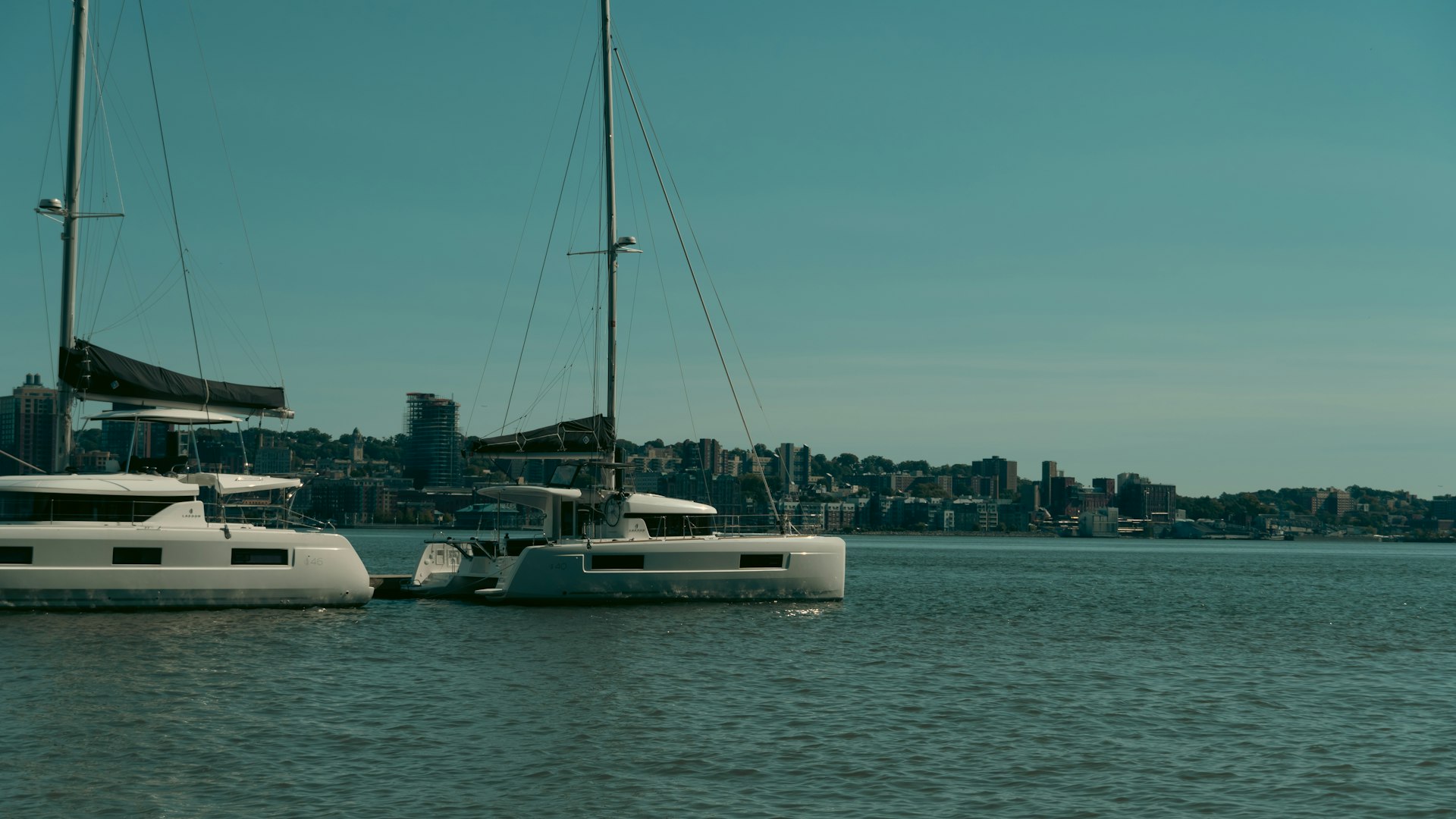
Sailing Yacht Charter Spain and the Balearics
From the thermal winds funnelling through the Strait of Gibraltar to the sheltered coves of Formentera, Spain's coastline and the Balearic archipelago offer some of the most technically satisfying and visually rewarding sailing in the Mediterranean. This is a destination that rewards the informed charterer.
Sailing Yachts Available in Spain and the Balearics
Browse our selection of sailing yachts available for charter in Spain and the Balearics.

Luxury Crewed Sailing Yacht Oceanis 361
Oceanis 361 · 2003
From
€1k/week

Crewed Sailing Yacht Hanse 54
Hanse 540 · 2006
From
€1k/week

Bareboat Sailing Yacht Oceanis 35
Oceanis 35 · 2015
From
€1k/week

Bareboat Sailing Yacht Sun Odyssey 419
Jeanneau 41 · 2019
From
€1k/week

Bareboat Sailing Yacht Bavaria 46
Bavaria 46 · 2006
From
€1k/week

Bareboat Sailing Yacht Sun Odyssey 379
Sun Odyssey 379 · 2012
From
€1k/week

Bareboat Sailing Yacht Oceanis 38
Oceanis 38 · 2015
From
€2k/week

Bareboat Sailing Yacht Sun Odyssey 469
Jeanneau 46 · 2014
From
€2k/week

Bareboat Sailing Yacht Oceanis 43.4
Oceanis 43 · 2010
From
€2k/week

Bareboat Sailing Yacht Oceanis 40
Oceanis 40 · 2011
From
€2k/week

Bareboat Sailing Yacht Sun Odyssey 439
Sun Odyssey 439 · 2013
From
€2k/week

Bareboat Sailing Yacht Oceanis 45
Oceanis 45 · 2011
From
€2k/week

Bareboat Sailing Yacht Bavaria 36
Bavaria 36 · 2011
From
€2k/week

Bareboat Sailing Yacht Dufour 405 Grand Large
Dufour 405 · 2010
From
€2k/week

Bareboat Sailing Yacht Sun Odyssey 439
Sun Odyssey 439 · 2013
From
€2k/week

Bareboat Sailing Yacht Oceanis 43
Oceanis 43 · 2010
From
€2k/week

Bareboat Sailing Yacht CYGNUS
Sun Odyssey 409 · 2012
From
€2k/week

Bareboat Sailing Yacht Hanse 345
Hanse 345 · 2016
From
€2k/week

Bareboat Sailing Yacht Sun Odyssey 509
Sun Odyssey 509 · 2013
From
€2k/week

Bareboat Sailing Yacht Sun Odyssey 40.9
Sun Odyssey 40.3 · 2011
From
€2k/week

Bareboat Sailing Yacht Dufour 405
Dufour 405 · 2010
From
€3k/week

Bareboat Sailing Yacht Dufour 405
Dufour 405 · 2010
From
€3k/week

Bareboat Sailing Yacht Sun Odyssey 43.9
Sun Odyssey 439 · 2011
From
€3k/week

Bareboat Sailing Yacht Bavaria 41 Cruiser
Bavaria 41 Cruiser · 2015
From
€3k/week
Other Vessel Types in Spain and the Balearics
Spain's sailing geography divides into distinct theatres, each with its own character. The Costa Brava in the north delivers rugged limestone headlands, reliable summer Tramontane, and medieval fishing ports largely bypassed by the superyacht circuit. Further south, the Costa Dorada and Costa Blanca offer more benign conditions for family passages. Offshore, the Balearic Islands — Mallorca, Menorca, Ibiza, and Formentera — form a coherent cruising ground roughly 50 to 150 nautical miles from the mainland, connected by established passages and served by marinas ranging from world-class to authentically basic.
What distinguishes this region is the density of choice within short passages. A competent crew can move between genuinely different environments — the Tramontane-swept Cap de Creus, the sheltered eastern bays of Mallorca, the wild northern coast of Menorca under the Tramontana, Ibiza's port town, and the sand-bottomed shallows south of Formentera — within a single week's charter. That variety, combined with reliable summer winds and outstanding provisioning infrastructure, explains why this remains one of Europe's most requested sailing destinations for charterers with serious intentions.
Why Charter in Sailing Yacht charter in Spain and the Balearics
The Balearic Sea presents consistent, manageable sailing conditions through the core charter season. The Mistral and Tramontana — northern winds of continental origin — can build quickly, but experienced charterers regard these as assets: the Tramontana in Menorca's northern bays, for instance, provides some of the most exhilarating close-reaching available in the western Mediterranean. Between island passages, summer thermal breezes typically blow at 12 to 18 knots from the south-west by early afternoon, making windward work on an outbound passage and a comfortable reach home entirely achievable within a single sailing day.
The anchorage quality across the Balearics is exceptional relative to the broader Mediterranean. Mallorca alone has more than 50 named calas, many accessible only by sea, with sand or rock bottoms holding well in the prevailing swell conditions. Menorca's southern coast, protected from the Tramontana, offers a succession of deep-cut inlets — Cala Galdana, Cala Turqueta, Macarella — where a well-set anchor in 4 to 6 metres of clear water is routine. On the mainland coast, Cap de Creus Natural Park and the Medes Islands marine reserve add ecological interest unavailable elsewhere in Spain.
Beyond the sailing, the provisioning and gastronomy infrastructure is first-rate. Palma de Mallorca's Mercado de Santa Catalina, the covered markets in Mahón, and the fish auctions accessible near Port de Pollença all support high-quality onboard provisioning. Ashore, the Balearic culinary tradition — built around sobrasada, ensaïmada, fresh seafood, and locally produced olive oil and wine — is substantive enough to reward charterers who treat cuisine as seriously as navigation.
Sailing Yacht charter in Spain and the Balearics Highlights
Cabrera Archipelago National Park, 10 nautical miles south of Mallorca's Cap Salines — a restricted-entry marine park requiring advance permits, with some of the clearest water in the western Mediterranean and a genuinely wild, unbuilt coastline accessible only by sea.
Mahón harbour, Menorca — one of the deepest natural harbours in Europe, flanked by golden sandstone fortifications and approached through a 5-kilometre channel. The town itself is architecturally distinct from anywhere else in Spain, shaped by decades of British administration and entirely worth an evening ashore.
Formentera's Ses Illetes anchorage — a sand bar extending into water of improbable clarity, with holding good in 3 to 5 metres over sand. The passage south from Ibiza through the Freus channel, timing the current and watching the ferries, is a satisfying piece of pilotage.
Cap de Creus, Costa Brava — Spain's easternmost point, a raw, windswept headland within a natural park that catches the Tramontane at full force. Sailing around it in a building northerly on passage from the French border to Roses or Cadaqués is a memorable experience for a competent crew.
Cala Macarella and Macarelleta, south-western Menorca — twin inlets with a narrow entrance, pine-backed cliffs, and a beach accessed by most visitors only on foot. Arriving by yacht early in the morning means hours of near-exclusive access before the day boats arrive.
Palma de Mallorca as a base port — Palma's marina infrastructure, airport connectivity, provisioning options, and concentration of quality restaurants and bars make it the most practical embarkation point in the Balearics. The city itself, with its Gothic cathedral rising directly above the waterfront, is a serious destination in its own right.
Dèia and the Tramuntana coast, north-western Mallorca — the UNESCO-listed Serra de Tramuntana descends directly to the sea along Mallorca's north-western shore. The coastline is largely inaccessible by road, making a passage along it — with a stop at Port de Sóller or an anchor off the rocky foreshore near Dèia — one of the region's distinctly maritime experiences.
When to Sail
The primary charter window runs from late April through October, with July and August representing peak demand and the shoulder months of May, June, and September offering the best balance of conditions, availability, and cost. Winter sailing is possible on the mainland south coast but the Balearics become exposed and infrastructure reduces significantly.
High Season (Jun-Sep)
July and August bring reliable thermal winds of 10 to 20 knots across the Balearic Sea, warm water temperatures averaging 26°C, and long daylight hours that allow unhurried passages. The trade-off is marina pressure: Port d'Andratx, Santa Eulària, and Port de Pollença fill early and must be booked well in advance. Anchoring becomes the practical solution in peak weeks, which suits charterers comfortable with the approach. Water visibility in the marine reserves regularly exceeds 30 metres. June is marginally cooler and noticeably quieter than July, particularly on Formentera and Ibiza's northern coast.
Shoulder Season (May, Oct)
May and October are the informed charterer's months. Air temperatures of 18 to 24°C are comfortable for sailing without the midday heat of high summer, marinas have space, and the anchorages at Cala Mondragó or Cala Mitjana can be held without the afternoon competition for swinging room. May occasionally produces unsettled weather from residual spring depressions, requiring flexibility in itinerary planning. October sailing on Mallorca's eastern coast is particularly rewarding: the light is lower and sharper, the olive harvest is beginning, and the restaurants that cater to a discerning local clientele are fully operational. Expect shorter sailing days as daylight contracts through the month.
Choosing the Right Yacht
The sailing yacht is the natural vessel for this cruising ground, and the range available through our fleet reflects the genuine breadth of charterers who sail here. At the performance end, an Oyster 1225 or a Nautor's Swan brings the blue-water construction quality and upwind ability to make the most of the Tramontana and the inter-island passages in a building sea state — these are boats that improve as conditions become more demanding. For a family charter with younger crew, a well-specced Bavaria 45 or Dufour 460 offers generous saloon volume, reliable systems, and a manageable rig that experienced parents can handle without professional crew, though a skipper is always worth considering for the first charter in unfamiliar waters. Hanse and Jeanneau models in the 40 to 50-foot bracket represent the mainstream of the fleet: ergonomically modern, well-maintained, and suited to the standard Balearic charter pattern of morning passages and afternoon anchoring.
Seven Days in the Balearics — Palma to Menorca and Return
A suggested week-long charter route
Embark in Palma de Mallorca, provisioning from Santa Catalina market before departure. Familiarise the crew with the yacht during an afternoon sail north along the Mallorcan coast towards Port de Sóller, navigating the headland at Punta Grossa. Sóller's circular bay, backed by the Tramuntana range, provides a sheltered overnight berth with good restaurants directly on the waterfront.
Early departure for the Cap de Formentor headland — a 25-nautical-mile passage along Mallorca's dramatic north-western coast. Round the cape in typically favourable morning conditions and bear away south-east towards Port de Pollença, a wide, sand-bottomed bay with space for anchoring off the town beach or a marina berth. The town has one of the better restaurant scenes on this coast.
The inter-island passage to Menorca — approximately 40 nautical miles from Cap de Formentor to the approaches of Ciutadella on Menorca's western end. This is the day to use the yacht fully: the crossing is open water with consistent thermal winds developing by mid-morning. Ciutadella's old harbour is navigable under sail with care; the town, with its 17th-century palaces and narrow streets, is architecturally unlike anywhere in Mallorca.
Coast-hopping east along Menorca's southern shore, visiting Cala Turqueta and Cala Macarella in succession — both accessible by anchor in the morning before day visitors arrive. Afternoon passage continues east towards Cala Galdana, the largest of the southern inlets, where a mooring buoy or anchor in the outer approaches allows an overnight stay with a dinghy run to the beach.
Morning entrance to Mahón harbour — one of the iconic Mediterranean harbour approaches, through a long, cliff-lined channel into a wide anchorage. Spend the afternoon and evening in Mahón: the covered market, the gin distillery at Xoriguer on the waterfront (Menorcan gin production predates the island's return to Spanish rule), and the elevated views from the old town across the harbour.
Return passage west across the Balearic Sea to northern Mallorca, approximately 45 nautical miles — a longer day requiring an early start. Conditions permitting, the Cabrera archipelago approach from the east is possible as an alternative routing south. Otherwise, make for Cala Ratjada or Porto Cristo on Mallorca's eastern coast for a final night anchored or on a marina berth.
Final passage south and west along the Mallorcan coast to Palma, timing arrival for the afternoon. The approach into Palma Bay, with the cathedral of La Seu above the city walls, is one of the most satisfying arrivals in the Mediterranean. Disembarkation the following morning allows a final evening in the city — Palma rewards it.
Local Tips
- •Anchor permits and park regulations are strictly enforced in designated marine protected areas, including Cabrera National Park and parts of the Medes Islands. Cabrera requires advance authorisation through the park authority; capacity is limited and the permit process cannot be rushed on arrival. Build permitted areas into your itinerary before departing.
- •The Tramontana in northern Menorca can reach Force 7 or above with limited warning during a full weather cycle. If your itinerary includes Menorca's northern coast, monitor the synoptic charts rather than relying solely on local forecasts, and have a contingency anchorage on the southern coast pre-planned. This is not a coast to be caught on a lee shore.
- •Palma's Club de Mar and Port Adriano are the primary southern Mallorca berthing options for larger or higher-specification yachts. Port Adriano in particular handles the administrative and provisioning requirements of a premium charter smoothly. For smaller yachts, the Real Club Náutico in Palma offers good facilities in a more central location.
- •Provisioning in Ibiza town and Santa Eulària has improved significantly in recent years, but prices in high season are considerably above mainland Spanish levels. If your passage plan allows for it, Mahón market on Tuesdays and Saturdays offers the best quality-to-price ratio for fresh produce across the entire Balearic circuit.
- •Spanish maritime entry requirements for non-EU flagged yachts include customs clearance and crew list submission. European-flagged yachts with EU-resident crews face minimal formalities, but documentation should be complete and accessible. Port captains at larger marinas are efficient; arriving at smaller ports late on a Friday can complicate formal clearance.
- •Tipping at restaurants in Spain remains genuinely discretionary rather than the semi-mandatory convention it has become in parts of the Caribbean or the United States. A 5 to 10 per cent acknowledgement for good service is appropriate; anything beyond that reads as unfamiliar with local custom. The same applies to marina staff: a modest gesture for exceptional help is well-received, but not expected.
Frequently Asked Questions
Do I need a skipper to charter a sailing yacht in Spain and the Balearics+
What is the best island to base a Balearic sailing charter from+
How far in advance should I book a sailing yacht for July or August in the Balearics+
What sailing conditions should I expect on the inter-island passages+
Is it possible to sail along the Spanish mainland coast rather than going offshore to the Balearics+
What is included in a typical bareboat charter fee in Spain+
Speak with our specialist team to discuss which yacht and itinerary best suits your sailing experience, group size, and preferred Balearic circuit — we know this fleet and these waters in detail.
Request Your Charter