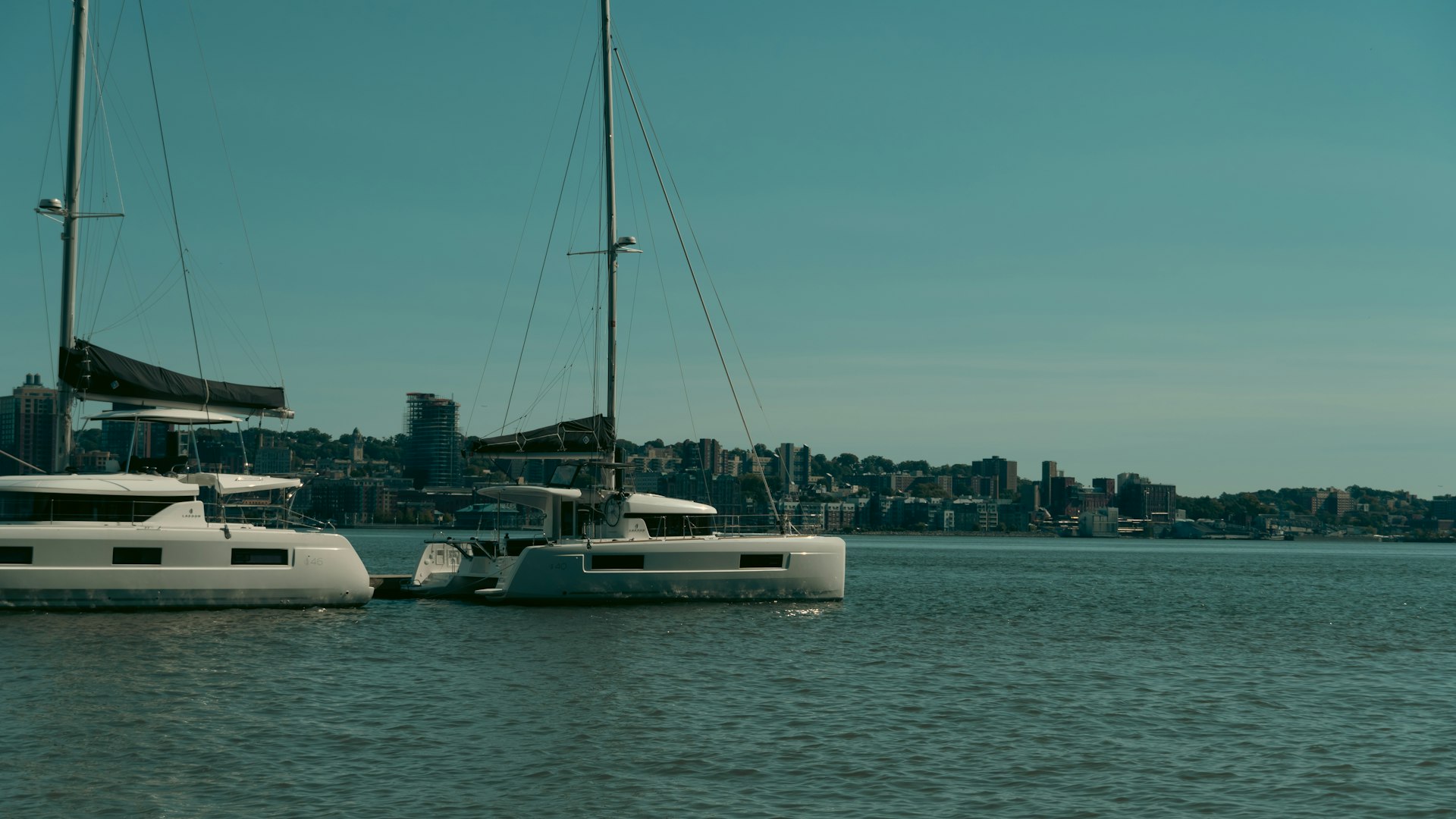
Sailing Yacht Charter Northern Europe

Sailing Yacht Charter Northern Europe

From the sheltered island chains of the Swedish archipelago to the dramatic fjords of western Norway, Northern Europe rewards the sailing yacht charterer with sailing conditions that demand skill and return something genuinely rare: coastlines largely untouched by mass tourism.

Northern Europe's charter waters span an extraordinary range of sailing environments. The Baltic Sea offers relatively sheltered passages with predictable summer winds, a 25,000-island archipelago off Stockholm, and medieval harbour towns that double as provisioning bases. Further north and west, the Norwegian fjords and the offshore passages of Scotland's west coast introduce stronger tidal streams, variable Atlantic swell, and weather that requires proper seamanship and proper preparation.

This is not a region for charterers seeking flat water and guaranteed sunshine. It is, however, a region that delivers something other Mediterranean destinations cannot: genuine remoteness, extraordinary wildlife, and a sailing culture rooted in centuries of navigating challenging northern seas. A well-chosen sailing yacht, properly equipped, opens up anchorages and island passages that no other vessel type can reach.

Why Charter in Sailing Yacht charter in Northern Europe

The Swedish and Finnish archipelagos are among the most logistically practical cruising grounds in Europe for a sailing yacht. Thousands of named anchorages are charted in detail, visitor marinas (gästhamnar) provide electricity, showers, and fresh provisions in even small fishing communities, and the right of public access to shorelines under the Scandinavian allemansrätten tradition means you can land almost anywhere. The summer light at these latitudes, with dusk barely darkening at midsummer, extends every sailing day considerably.

Norway's western coast operates on an entirely different register. The passage from Bergen south towards Stavanger, or north through Hardangerfjord and Sognefjord, involves navigating among islands and skerries where the scenery changes with every tack. Tidal streams through the narrower sounds can reach four knots, so timing passages is not optional, but the reward is anchoring in fjord arms where the silence is absolute and the only neighbours may be a handful of summer farm houses.

The Danish straits, the Kiel Bight, and the waters around the German Frisian Islands offer a different proposition: sociable sailing between towns with serious maritime histories. Ports such as Flensburg, Sønderborg, and the island of Rügen carry distinct architectural and cultural identities, and the summer racing culture here is vigorous. This is also where the most competitive charter pricing in the region tends to sit, making it an accessible entry point for charterers newer to northern sailing.

Sailing Yacht charter in Northern Europe Highlights

1

Sognefjord, Norway – Europe's longest fjord at over 200 kilometres, with arms such as Nærøyfjord (UNESCO-listed) that narrow to 250 metres between near-vertical rock walls rising 1,700 metres. Plan tidal timing carefully through the entrance at Sygnefest.

2

Stockholm Archipelago, Sweden – Over 25,000 islands and skerries stretching 80 kilometres east of the capital. The outer islands around Sandhamn offer exposed sailing, while the inner passages deliver calm anchorages and traditional red-painted island homes.

3

Åland Islands, Finland – A self-governing Swedish-speaking archipelago sitting between Sweden and Finland with its own flag and customs status. Over 6,700 islands, the fortified sea-fortress of Bomarsund, and the best guest harbour network in the eastern Baltic.

4

Hardangerfjord, Norway – Renowned for its orchard villages and the plateau above Vøringsfossen waterfall. Sailing past Utne and anchoring off Lofthus in late June, when the fruit trees are still in blossom, is a genuinely uncommon experience.

5

The Danish South Funen Archipelago – A tight network of small islands between Funen and the Little Belt, with short passages, charming towns like Svendborg and Faaborg, and the kind of sociable marina culture that suits mixed-experience crews wanting to build confidence.

6

Lofoten Islands, Norway – For the serious offshore passage-maker, the dramatic peaks and fishing villages of the Lofoten wall above the Arctic Circle represent one of the most arresting coastlines in the world. Accessible only in the longest summer days and requiring careful weather routing.

7

Hanseatic Harbour Towns of the southern Baltic – Stralsund, Wismar, and Lübeck carry genuine medieval mercantile architecture; Visby on Gotland is perhaps the best-preserved Hanseatic town in Northern Europe and worth a full overnight stop.

When to Sail

The practical sailing season runs from late May to late September, with the core Baltic and Scandinavian window sitting firmly in July and August when temperatures are most reliable and the longer-established visitor infrastructure is fully operational.

High Season (Jun-Sep)

July and August deliver the most settled conditions across the region. Prevailing southwesterlies in the North Sea and variable light winds in the inner Baltic make for generally comfortable passages, though the Baltic's shallow fetch means short, steep chop when winds exceed 20 knots. Water temperatures in the Swedish and Finnish archipelagos reach a swimmable 18-22°C in late July. Norwegian waters remain cooler, rarely exceeding 16°C offshore, but long daylight hours compensate generously. Booking lead time matters in this season: popular marinas in Norway's Lysefjord corridor and the Stockholm outer archipelago fill weeks in advance.

Shoulder Season (May, Oct)

May brings the region alive before the crowds arrive. Visitor facilities are open but not overwhelmed, and the sharp northern spring light gives passages across the Kattegat and through the Danish islands a particular quality. Winds are typically stronger and less predictable than midsummer, and sea temperatures remain cold enough that full immersion suits should be aboard. October intensifies this further: autumn gales become a real planning consideration, particularly in the North Sea and along exposed Norwegian coasts. Experienced offshore crews, however, find October sailing in the inner fjords and sheltered archipelago waters entirely manageable, and charter rates reflect the reduced demand.

Choosing the Right Yacht

A performance cruising sailing yacht in the 40-55 foot range represents the strongest all-round choice for Northern European waters. The region rewards boats with genuine upwind capability: the Baltic's short, steep chop and the Norwegian coastal passages demand a hull that works efficiently at 30-45 degrees apparent rather than purely off the wind. Models from Baltic, Hanse, and Dufour in this range offer the combination of comfortable offshore accommodation, adequate tankage for passages between ports, and the ability to motorsail through fjord entrances when the wind dies entirely, which it will. For crews with serious blue-water credentials considering offshore passages to Norway's outer islands or a transit through the Kattegat in variable conditions, the heavier, more heavily ballasted custom offshore designs or purpose-built blue-water cruisers represent a more appropriate platform. The Andre Hoek 74 and comparable performance cruisers carry the stability margins and on-deck safety features that northern Atlantic approaches demand. Crews should ensure any charter yacht bound for Norwegian offshore waters carries a fitted life raft, EPIRB, and full SOLAS flare pack, confirming inventory with the operator before departure.

Ten Days Through the Swedish and Finnish Archipelagos

A suggested week-long charter route

Day 1

Depart Stockholm's Wasahamnen or Sandhamn marina and head east through the outer archipelago towards the island of Utö, one of the most southerly inhabited islands in the Stockholm chain. The passage of roughly 40 nautical miles through increasingly open skerries is an immediate orientation in archipelago navigation. Anchor in the south bay or take a berth at the small but well-run guest harbour.

Day 2

Sail southeast across the open water section towards the Landsort lighthouse, Sweden's oldest intact lighthouse and marking the boundary between the Stockholm archipelago and open Baltic. In southwesterly winds this is a comfortable broad reach. Continue to Oxelösund or anchor off the uninhabited outer islands for the night.

Day 3

Passage northeast through the Södertörn coastline towards Nynäshamn, a useful provisioning stop with a well-stocked chandlery and good supermarket access near the harbour. Afternoon option to dinghy ashore to the fishing hamlet of Spöland for smoked fish and local beer.

Day 4

Cross the open Baltic towards the island of Gotland, approximately 90 nautical miles. This is the most exposed passage of the itinerary; depart with a settled forecast and anticipate a varied wind picture. Arrive Visby in the early evening in time to walk the intact medieval town walls before they close for the night.

Day 5

A full day in Visby. The UNESCO World Heritage town centre rewards proper exploration on foot rather than a rushed transit. The fish market on the harbour runs until early afternoon; the ruins of the 13th-century St Karin's Church are among the most atmospheric ecclesiastical remains in the Nordic countries.

Day 6

Depart Visby for the Åland island of Kökar, roughly 100 nautical miles northeast across the Baltic. Kökar is one of the outermost and least visited of the Åland group, with a Franciscan monastery ruin dating to the 15th century and an anchorage sufficiently protected for an overnight stop in all but northerly winds.

Day 7

Work northwest through the southern Åland skerries towards Mariehamn, the archipelago's capital. The passages through Lumparn bay and the inner fairways require chart attention but reward with spectacular island scenery. Mariehamn's East Harbour is large, well-equipped, and within walking distance of the excellent Ålands Maritime Museum and the four-masted barque Pommern.

Day 8

Sail north through the Archipelago Sea towards Turku (Åbo) on the Finnish mainland, passing through the inner passage marked by the Turku fairway buoys. This coastline, with its 6,000+ islands, is genuinely complex to navigate off-track but deeply rewarding. Stop for lunch at the island village of Korpo, where the local shop stocks exceptional Finnish rye bread and locally cured fish.

Day 9

Turku provides the best victualling stop of the itinerary. The Old Great Market Hall on the Aura River sells Finnish produce worth knowing: cloudberry preserves, cold-smoked vendace, and reindeer charcuterie. The medieval Turku Castle at the harbour entrance is one of the best-preserved fortifications in Scandinavia and warrants two to three hours.

Day 10

Final passage back southwest through the outer Turku archipelago and across towards Stockholm, approximately 120 nautical miles. With a favourable westerly this is a comfortable day-and-night passage. Alternatively, charter itineraries can conclude in Turku for crews flying home from Turku Airport, which is a 15-minute taxi from the guest harbour.

Local Tips

  • Customs and clearance formalities between Sweden, Finland, Denmark, and Norway are largely frictionless for EU-flagged vessels and EU/EEA nationals under Schengen arrangements, but Norway sits outside the EU. Crews carrying any restricted items or provisioning bonded stores should declare properly on entry; Norwegian customs conduct spot checks in summer, particularly in the outer coastal anchorages.
  • Gästhamnar (Scandinavian visitor marinas) are among the best-organised in Europe. Most accept credit cards for nightly fees, sell basic provisions, and operate an 'honour system' fuel berth outside staffed hours. Download the Gästhamn app before departure; it carries real-time berth availability and facility details for over 400 harbours across Sweden and Finland.
  • Provisioning in smaller Norwegian ports can be expensive and limited outside larger centres. Bergen, Stavanger, and Ålesund are well-equipped for a full ship's store; beyond those, plan a minimum two-day food inventory at all times. Alcohol import allowances are strictly monitored entering Norway, and marina bars in smaller communities may close by 20:00.
  • Fog is a serious consideration in the southern Baltic in July and August, particularly in the mornings along the German and Danish coastlines. Radar and AIS are not optional equipment in these waters; confirm the charter yacht's electronics inventory carefully, and ensure all crew understand the ColRegs fog signal requirements before departure.
  • The smörgåsbord tradition in Swedish coastal towns is worth treating seriously rather than as a tourist experience. Several harbour-side restaurants in places like Marstrand, Smögen, and Sandhamn operate lunch services that represent extraordinary value relative to à la carte dinner pricing, and the quality of cured salmon, pickled herring, and knäckebröd variations reflects genuine regional craft.
  • Night sailing requires additional preparation in the Baltic in high summer. Although the sky never fully darkens north of 60° latitude in June and July, navigation lights and watch routines should follow normal offshore practice. The density of unlit fishing buoys and crab pot floats in Swedish and Finnish inshore waters is significant; maintain a proper bow watch at all speeds under ten knots.

Frequently Asked Questions

Do I need an offshore skipper qualification to charter in Norwegian waters+
Requirements vary by country and charter operator. For bareboat charter in Norway, most operators expect an ICC (International Certificate of Competence) as a minimum for coastal passages, and RYA Coastal Skipper or equivalent for any offshore or fjord passages involving tidal sounds. Some operators will require a Yachtmaster Offshore certificate for vessels above 12 metres. Confirm specific requirements with your operator before booking; the Norwegian Coastal Administration (Kystverket) enforces these actively.
What are typical wind conditions in the Baltic in July+
The Baltic in July is dominated by light to moderate southwesterly and westerly winds, typically Force 2-4, with periods of calm particularly in the mornings. The shallow basin generates short-period chop quickly when winds increase above 15 knots, which can make progress uncomfortable on a close fetch even in modest conditions. Prolonged northeasterly windows occur periodically and can deliver fast downwind passages towards Finland and the Åland Islands.
Is Northern Europe suitable for a first sailing charter with limited crew experience+
Yes, with appropriate destination selection. The Danish South Funen Archipelago, the inner Stockholm archipelago, and the Finnish Archipelago Sea all offer short passages between well-equipped harbours, clear charted fairways, and forgiving anchoring conditions. All three areas have sufficient infrastructure to manage any weather window that exceeds crew capability. Norwegian offshore passages and the North Sea are not appropriate for novice crews without a professional skipper aboard.
How far in advance should I book for summer sailing in this region+
Peak July and August weeks in the most popular areas, particularly the Stockholm outer archipelago and Norwegian fjord itineraries, should be booked a minimum of four to six months in advance. Availability in June and September is generally more accessible with two to three months' notice. The shoulder months of May and October can often be arranged within weeks, though the fleet of available yachts is smaller.
What kind of wildlife can we expect to encounter+
Northern European sailing delivers credible wildlife encounters rather than incidental sightings. White-tailed sea eagles are now common throughout the Swedish and Norwegian archipelagos. Grey seals haul out on skerries across the Baltic and are genuinely approachable by dinghy. Harbour porpoise are regularly seen in the Kattegat and along the Danish coastlines. Minke whales are present in Norwegian offshore waters in summer, and the Lofoten passage in July coincides with orca activity around the herring grounds further north.
Are there restrictions on anchoring freely in Swedish or Norwegian waters+
Sweden's allemansrätten (the right to roam) extends to anchoring for up to two nights in any location not explicitly prohibited by local regulation or private property boundary. Restrictions exist within harbour approaches and designated nature reserves; these are marked on official charts. Norway operates a similar tradition. In both countries, the expectation is that anchoring parties leave no trace and maintain distance from occupied private dwellings. Finland applies comparable principles across the archipelago.

Tell us your preferred region, dates, and crew size and we will propose a shortlist of sailing yachts suited to northern waters from our current fleet.

Request Your Charter

Request Your Charter

Tell us about your dream voyage and we will find the perfect yacht for you.