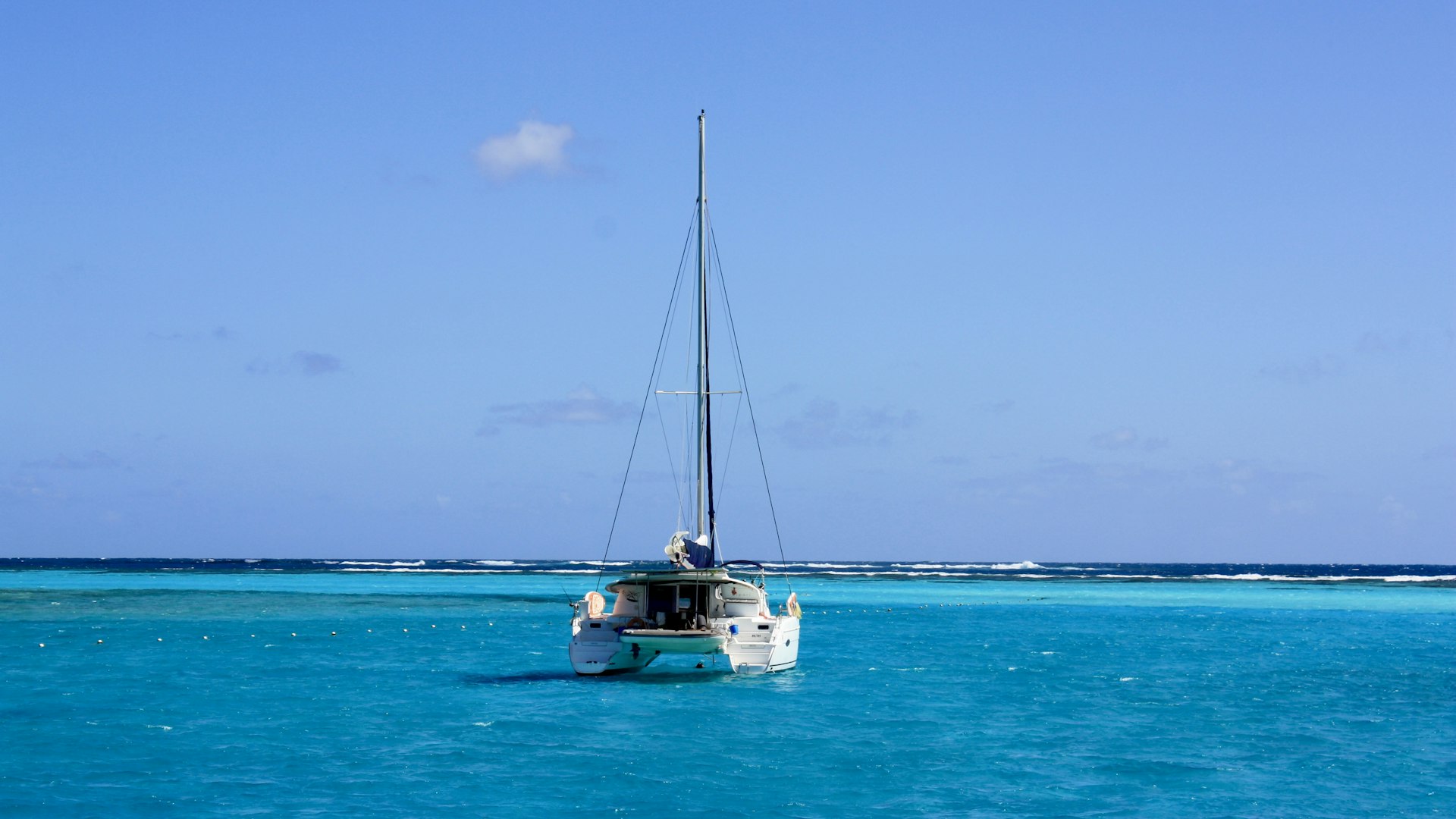
Catamaran Charter Northern Europe
Northern Europe's coastal waters reward those willing to trade predictable sunshine for raw, uncrowded sailing across fjords, archipelagos, and open Baltic reaches. A catamaran charter here delivers the space and stability to do it properly.
Catamarans Available in Northern Europe
Browse our selection of catamarans available for charter in Northern Europe.
Other Vessel Types in Northern Europe
Northern Europe is not a destination that flatters the indifferent sailor. Its waters demand attention, its weather demands respect, and its rewards are proportional to the effort invested. From the Danish archipelago of the South Funen islands to the Swedish Bohuslän coast and the protected channels of the German Bight, this is sailing of genuine character rather than carefully managed comfort.
Charter a catamaran in this region and you gain something particularly valuable: volume and stability across passages where chop, tide, and wind shifts are facts of daily life rather than occasional inconveniences. Wide teak decks, generous saloon headroom, and the ability to keep guests comfortable while underway in breeze makes the catamaran format a serious practical choice here, not merely a lifestyle preference.
Why Charter in Catamaran charter in Northern Europe
The sailing geography of Northern Europe is genuinely varied in ways that a single chart cannot convey. The Baltic Sea runs from near-zero salinity in the Gulf of Finland to more brackish water in the Kattegat, which affects tide height, sea state, and even how mooring lines behave over a week. Depths in the Danish straits and the Swedish Skärgård can be shallow and navigationally intricate, rewarding crews who engage with pilotage rather than autopilot complacency.
The Scandinavian coastline offers what the Mediterranean increasingly cannot: solitude. In July, a well-planned route through the outer skerries of the Bohuslän coast can place you in a granite-edged anchorage with no other vessel in sight. Fishing villages that still function as fishing villages, not curated versions of themselves, serve freshwater crayfish, pickled herring, and cold-smoked mackerel of a quality that warrants the voyage alone.
For those drawn to German and Danish waters, the Kiel Fjord, the Schlei inlet, and the Limfjord offer sailing with strong cultural texture. The annual Kiel Week remains one of the largest sailing events in the world, and timing a charter around it puts you in the company of serious racing sailors from across Northern Europe. The infrastructure is excellent, marinas are well-maintained, and provisioning in port towns like Flensburg, Sønderborg, and Vejle is straightforward for extended passages.
Catamaran charter in Northern Europe Highlights
The South Funen Archipelago, Denmark - A network of small Danish islands including Ærø, Langeland, and Tåsinge, connected by sheltered passages with consistent south-westerly fetch and genuine harbour towns with functioning boatyards and good fish restaurants.
Skagen, northern Denmark - The point where the Skagerrak meets the Kattegat, visually dramatic and navigationally significant. The harbour town has a serious art history, a Michelin-recognised restaurant scene, and the kind of end-of-the-land atmosphere that justifies a passage north.
Bohuslän coast, Sweden - The outer skerries between Gothenburg and the Norwegian border are among the most striking coastal landscapes in Northern Europe: sea-smoothed pink granite, shallow inlets accessible only to shallow-draught vessels, and almost no tourist infrastructure beyond the boat.
Visby, Gotland, Sweden - A UNESCO-listed medieval walled city rising from the Baltic shore, with a functioning harbour and a summer cultural calendar that draws Swedes from the mainland in numbers. The surrounding island coastline is quieter than the town suggests.
Kiel and Flensburg Fjord, Germany - Historically and maritimely significant, with the Kiel Canal entrance nearby for those intending to cross between the Baltic and North Sea. Flensburg in particular has a craft brewery culture and a well-preserved merchant waterfront.
The Limfjord, Denmark - A long sheltered inland waterway cutting across northern Jutland, navigable by masted yachts through lifting bridges. Oysters from the Limfjord have been harvested for centuries and remain the most reliable food reason to sail through.
Norwegian Oslofjord approaches - For charters with the range to push north, the inner Oslofjord offers island hopping between Hvaler and Nøtterøy with a calibre of natural scenery that rewards the additional passage miles.
When to Sail
The viable charter window in Northern Europe runs from May through October, with the warmest and most sociable conditions concentrated between June and August. Wind patterns are generally consistent but changeable within short timeframes, making flexibility more useful than a fixed itinerary.
High Season (Jun-Sep)
June through August brings the longest days, with near-continuous daylight above 55°N in June and July offering extraordinary freedom to sail late or navigate at what would elsewhere be midnight. Air temperatures reach 20-24°C across Denmark and southern Sweden on good days, with water temperatures in the Baltic peaking around 18-20°C. Prevailing south-westerly winds in the 10-18 knot range dominate July and August, though the Baltic is known for rapid pressure changes that can produce short-lived but meaningful squalls. Marina berths at popular stops like Visby on Gotland and Skagen in northern Denmark fill quickly; advance booking is necessary. September brings fewer crowds and crisper air, with winds often steadier than summer and light still adequate for long passages.
Shoulder Season (May, Oct)
May is genuinely underrated in Northern Europe. Deciduous forests along the Kattegat coast and the Danish islands emerge in vivid early green, marina facilities are fully operational, and there is an absence of the school-holiday congestion that characterises July. Winds can be stronger and more variable, and a proper foul-weather kit is non-negotiable, but experienced charterers often prefer the physicality of May sailing. October narrows your window but offers remarkable clarity of light, particularly in the Baltic, and the sense that you have the water to yourself is accurate rather than romantic. Water temperatures drop sharply and crew comfort below decks becomes a more active consideration.
Choosing the Right Yacht
A catamaran is a considered rather than default choice for Northern European charter. The defining advantage is motion comfort on passage: the Baltic and Kattegat can produce short, steep chop in moderate winds that makes a monohull's motion aboard tiring over several days. A catamaran's bridgedeck keeps guests clear of spray, its wide beam provides a stable platform in open anchorages with some residual swell, and the shallow draught of a 51-foot performance catamaran opens access to anchorages and island inlets that keel yachts of similar waterline length simply cannot reach. For a party of six to eight using the boat as a moving base, the interior volume means guests are not compressed below decks during the inevitable half-day of rain. The Lagoon 51 available through SelectYachts in this region is well-suited to the purpose. At this length, the boat carries genuine offshore capability alongside the comfort expected for a week's intensive use. Northern European charter does not benefit from ultra-lightweight racing catamarans; what is needed is load-carrying ability, heating systems that actually work, and cockpit shelter that allows outdoor dining in 15 degrees with some wind. The Lagoon platform delivers these practically rather than theoretically.
Seven Days Through the South Funen Archipelago and Kattegat
A suggested week-long charter route
Join the vessel at Svendborg, the principal charter base on the south coast of Funen. After vessel briefing and provisioning from the town's covered market, depart early afternoon south into the Svendborg Sound. Anchor off the north shore of Ærø near Marstal in the early evening. The town has a working maritime museum and a harbour-front restaurant worth the short walk.
Depart Marstal on the morning breeze, typically south-westerly at this time of year, and sail east past the low shores of Langeland before bearing north through the Great Belt. Anchor or take a marina berth at Rudkøbing on Langeland's western shore. The town is architecturally intact and the local food market on summer weekday mornings supplies excellent cold cuts, rye bread, and regional cheeses.
A longer passage day north through the Kattegat, taking advantage of the southerly flow that tends to build through the morning. Destination is Kerteminde on Funen's eastern coast, a small harbour town with a credible fish smokehouse directly on the waterfront. Use the afternoon to dinghy ashore and walk the coastal path north towards Nordskov.
Cross to the island of Samsø, roughly four hours in moderate conditions. Samsø is Denmark's renewable energy showcase island and operates a serious farm-to-table food culture that is genuine rather than branded. The south harbour at Ballen is the preferred berth. Cycle hire is available in the village and the interior landscape repays an afternoon's exploration.
Push north towards Ebeltoft on the Jutland peninsula, a well-preserved medieval town with cobbled streets, a functioning wooden frigate museum, and several good restaurants concentrated around the old town square. Arriving mid-afternoon leaves time to walk the town properly before dinner.
The final sailing day returns south, crossing the Kattegat with what is often a northerly or north-westerly behind you at this stage of the week. Stop at the small harbour at Fåborg on Funen's south-west coast, which has a good local art museum and a harbour-front ice cream institution that manages to be genuinely excellent rather than merely well-located.
A short morning sail returns the vessel to Svendborg for handover by midday. Those with an afternoon flight from Odense have comfortable time; those leaving from Copenhagen should plan for a two-hour transfer and manage the morning accordingly. Final provisions from Svendborg's market are worth picking up for the journey home.
Local Tips
- •Marina booking in summer is not optional: The busiest Danish and Swedish island harbours, including Marstal, Rudkøbing, and Visby, operate online reservation systems and fill in high season. Contact preferred stops at least two weeks ahead and have alternatives identified; turning up without a berth reservation in July is a gamble that experienced charterers do not take.
- •Weather windows in the Baltic change fast: A settled forecast can deteriorate to a 25-knot Bight squall inside four hours. Use Norwegian Meteorological Institute's Yr.no alongside GRIB data from a dedicated marine source, and treat the two-day forecast with more confidence than the five-day. The regional coastguard broadcasts on VHF 16 and 70 are reliable and worth monitoring on passage days.
- •Provisioning is excellent but expensive: Denmark and Sweden maintain high food quality standards and their provisions reflect it. Budget accordingly. In German ports, provisioning is noticeably more affordable without a meaningful quality drop. Local fish markets at harbourside, particularly in Flensburg, Marstal, and Skagen, offer the best value and genuinely superior product.
- •Fender and line protocol differs from Mediterranean: Scandinavian marinas frequently use stern-to berthing with bow lines taken to rings on finger pontoons rather than laid anchors. Some older Danish harbours operate bow-to with wooden staging. Keep six fenders and four long warps ready to rig flexibly; crew who have only Med-moored will need a briefing before the first harbour approach.
- •Card payments work almost everywhere: Denmark and Sweden are effectively cashless societies. Norwegian Krone, Danish Krone, and Swedish Krona are all different currencies; the Euro is accepted in some but not all border towns. Keep one card designated for marine fuel to avoid complications with pre-authorisation amounts at fuel berths.
- •Duty-free status in Swedish and Norwegian territorial waters: Vessels provisioned in EU ports and entering Norwegian waters may carry limited alcohol duty-free. Check current allowances before departure as customs enforcement at small-boat level has increased in recent years. The paperwork is minimal but ignoring it is not advisable.
Frequently Asked Questions
Do I need offshore sailing experience to charter a catamaran in Northern Europe+
What currency and entry formalities apply across the region+
Is the water cold enough to affect swimming and water sports+
What should guests pack for a Northern European catamaran charter+
Can I take the catamaran from Denmark into Norwegian fjords+
What is included in the weekly charter rate for the Lagoon 51+
Contact SelectYachts to discuss availability on the Lagoon 51 and build an itinerary matched to your preferred waters, dates, and crew.
Request Your Charter