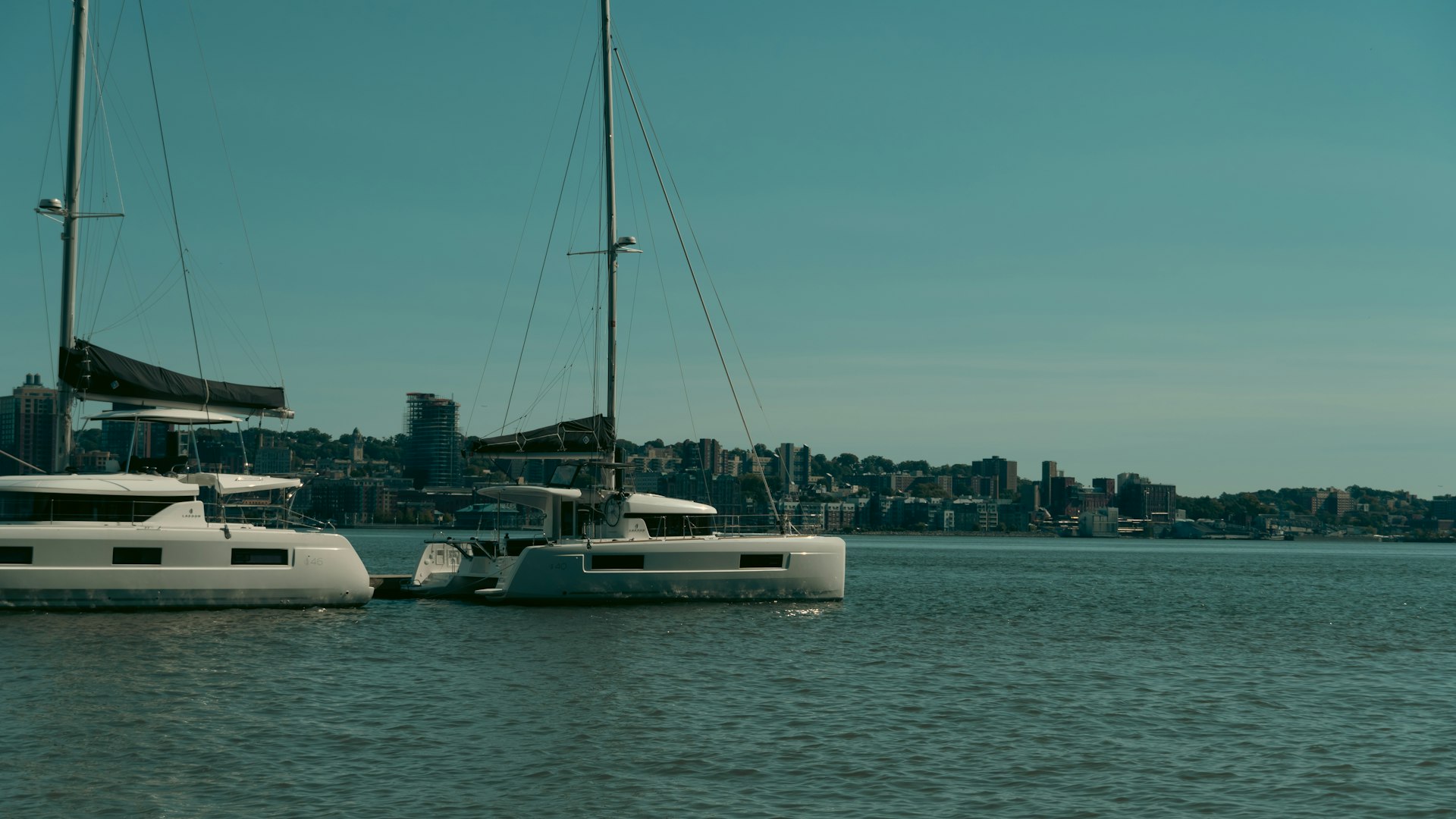
Sailing Yacht Charter Greece
From the Meltemi-swept Cyclades to the sheltered anchorages of the Ionian, Greece offers more than 200 inhabited islands, some of the most consistent summer sailing winds in the Mediterranean, and a coastline that rewards experienced charterers who take the time to look beyond the postcard harbours.
Sailing Yachts Available in Greece
Browse our selection of sailing yachts available for charter in Greece.

Crewed Sailing Yacht NEREIDA
Rena Class ketch · 1984
From
€850/week

Bareboat Sailing Yacht IFIGENIA
Bavaria 35 Cruiser · 2012
From
€1k/week

Bareboat Sailing Yacht Beneteau Oceanis 37
Oceanis 37 · 2012
From
€1k/week

Bareboat Sailing Yacht KOS 379
Sun Odyssey 379 · 2012
From
€2k/week

Bareboat Sailing Yacht Sun Odyssey 379
Sun Odyssey 379 · 2014
From
€2k/week

Bareboat Sailing Yacht Oceanis 54
Oceanis 54 · 2015
From
€2k/week

Bareboat Sailing Yacht Dufour 382
Dufour 38 · 2018
From
€2k/week

Bareboat Sailing Yacht Bavaria 40
Bavaria 40 · 2012
From
€2k/week

Bareboat Sailing Yacht Bavaria 50
Bavaria 50 · 2013
From
€2k/week

Bareboat Sailing Yacht Bavaria 41
Bavaria 41 Cruiser · 2014
From
€2k/week

Bareboat Sailing Yacht DEFKALION
Bavaria 41 Cruiser · 2017
From
€2k/week

Bareboat Sailing Yacht Oceanis 41
Oceanis 41 · 2013
From
€2k/week

Bareboat Sailing Yacht Sun Odyssey 42DS (2011)
Sun Odyssey 42 · 2011
From
€2k/week

Bareboat Sailing Yacht Alisahni
Bavaria 41 Cruiser · 2014
From
€2k/week

Bareboat Sailing Yacht Bavaria 41 Cruiser (2014)
Bavaria 41 Cruiser · 2014
From
€2k/week

Bareboat Sailing Yacht Sun Odyssey 42 DS
Sun Odyssey 42 · 2010
From
€2k/week

Bareboat Sailing Yacht Bavaria 41 Cruiser
Bavaria 41 Cruiser · 2015
From
€2k/week

Bareboat Sailing Yacht ath42ds03
Sun Odyssey 42 · 2010
From
€2k/week

Bareboat Sailing Yacht Bavaria 36
Bavaria 36 · 2011
From
€2k/week

Bareboat Sailing Yacht Sun Odyssey 409
Sun Odyssey 40.3 · 2011
From
€2k/week

Bareboat Sailing Yacht Sun Odyssey 409
Sun Odyssey 409
From
€2k/week

Bareboat Sailing Yacht Oceanis 41 (2012/14)
Oceanis 411 · 2012
From
€2k/week

Bareboat Sailing Yacht PERSEUS
Bavaria 40 · 2014
From
€2k/week

Bareboat Sailing Yacht ALKION
Hanse 345 · 2013
From
€2k/week
Other Vessel Types in Greece
Greece is not one sailing destination but several, each with its own wind regime, character, and rhythm. The Ionian Sea to the west delivers reliable afternoon thermals, calm mornings, and a lush, Venetian-influenced island culture. The Aegean to the east is more demanding: the Meltemi blows Force 4 to 6 from the north between July and August, making passages between the Cyclades genuinely technical and deeply satisfying for sailors who want their charter to feel like sailing. The Dodecanese in the south-east adds a further dimension, where Greek and Ottoman histories layer on top of each other in harbours such as Rhodes and Kastellorizo.
SelectYachts offers more than 140 sailing yachts based in Greece, ranging from performance-oriented 34-foot sloops ideal for couples or small crews to custom-built sailing superyachts accommodating up to 12 guests in full luxury. Whether you are planning a fast-paced island-hopping circuit or a slow, anchorage-focused cruise with daily swims from the stern, the Greek charter fleet has the right vessel for the brief.
Why Charter in Sailing Yacht charter in Greece
The practical case for Greece is hard to argue with. EU flagging and straightforward entry formalities mean administrative friction is low for most nationalities. Fuel costs remain competitive relative to the western Mediterranean. The network of marinas and fuel docks is extensive, with major bases at Athens (Alimos), Corfu, Lefkada, Rhodes, and Kos providing reliable provisioning, capable shipwrights, and air connections that make crew rotations simple.
Beyond logistics, Greece rewards curiosity in a way few destinations do. A morning passage might bring you past a Bronze Age Cycladic settlement, an afternoon anchorage might sit below a 16th-century Venetian fort, and dinner ashore will almost certainly involve the kind of grilled fish, local olive oil, and barrel wine that no charter itinerary in the Caribbean can match. The depth of cultural and gastronomic texture per nautical mile is exceptional.
The sailing itself is varied enough to suit different crew profiles within a single two-week charter. The protected waters between Lefkada and Meganisi in the Ionian are ideal for families or those newer to bluewater sailing. The open-sea passages between Mykonos, Paros, and Santorini in the Cyclades demand proper seamanship, passage planning, and respect for rapidly building afternoon seas. Greece allows you to calibrate difficulty without ever leaving the country.
Sailing Yacht charter in Greece Highlights
Fiskardo, Kefalonia — the only village on Kefalonia to survive the 1953 earthquake intact, preserving a row of Venetian-era merchant houses along a deep natural harbour that holds yachts to 50 metres with excellent holding. A genuine working fishing port with above-average tavernas and a regular ferry connection for crew changes.
Meganisi and the Meganisi Channel — the island immediately south-east of Lefkada, with sheltered bays at Vathi and Spartochori offering settled overnight anchorages in 5-10 metres over sand. Far quieter than the main Ionian charter circuit and accessible on a day sail from Lefkada marina.
Milos, Western Cyclades — the least overrun of the major Cycladic islands, with a collapsed volcanic caldera forming the largest natural harbour in the Aegean. The coloured rock formations at Sarakiniko and the catacombs above Plaka give the island a character entirely its own. Anchor in Adamas or pick up a buoy in Kleftiko bay for one of the most dramatic overnight stops in Greece.
The Saronic Gulf circuit from Athens — Hydra, Spetses, and Dokos within easy daysail range of Alimos marina, with the added interest of Nafplion as a staging point for the Peloponnese. Hydra remains car-free and unusually well preserved; the anchorage off the northern coast at Mandraki rewards those who go around the headland.
Santorini caldera approach under sail — entering the caldera at Santorini under canvas, with the cliffs rising 300 metres on the port beam and the volcanic islet of Nea Kameni to starboard, is one of the more dramatic harbour approaches in European sailing. Anchor off Oia or take a buoy at the small boat harbour at Ammoudi; the tourist infrastructure above is relentless but the approach itself is not.
Kastellorizo (Megisti), Dodecanese — Greece's easternmost island and, at its closest point, just 2 nautical miles from the Turkish coast. A single deep harbour, fewer than 500 permanent residents, and a painted neoclassical streetscape that rewards those willing to make the passage from Rhodes. The Blue Cave (Galazia Spilia) to the south is accessible only by tender and requires good visibility.
Corfu's North-East Coast and Gouvia Marina — the sheltered channel between Corfu and the Albanian coast carries a handful of well-hidden anchorages at Agios Stefanos and Kalami that retain a quiet that the island's west coast has largely lost. Gouvia is the main charter base for Corfu, well-equipped and within daysail of the Diapontian Islands to the north-west.
When to Sail
The Greek sailing season runs from late April through to early November, with July and August delivering the most consistent winds but also the highest marina pressures and prices. May, June, and September offer a compelling balance of good conditions, reduced crowds, and more responsive service ashore.
High Season (Jun-Sep)
July and August are defined by the Meltemi, a dry north-to-north-westerly thermal wind that builds through the morning in the Aegean and typically reaches Force 4 to 6 by early afternoon. It is reliable, predictable, and excellent for fast downwind passages on the Cyclades circuit, but it can make certain anchorages uncomfortable and delays departures from exposed harbours. June and September sit either side of the Meltemi's peak intensity and offer some of the best all-round sailing in the Mediterranean: sea temperatures above 24°C, long daylight hours, and enough wind for genuine performance without the frustration of being pinned in harbour for a day. Marinas at Mykonos, Santorini (Athinios), and Ios fill quickly in July and August; plan anchorages as your primary overnight options and treat marina berths as a bonus.
Shoulder Season (May, Oct)
May and October are underrated by charterers who anchor their Greece experience to summer. Water temperatures in May reach 20-22°C in the southern Aegean and Ionian, crowds at archaeological sites and tavernas are a fraction of peak levels, and provisioning in harbours like Nafplion, Galaxidi, or Fiskardo feels genuinely personal rather than transactional. October brings the first Aegean low-pressure systems, which introduce more changeable wind from the south and west, making passage planning more dynamic but also bringing dramatic light, emptied anchorages, and significantly lower charter rates. The Ionian in particular holds its settled character well into October.
Choosing the Right Yacht
For the Ionian and Saronic, monohull sailing yachts in the 45-55 foot range from builders such as Bavaria, Beneteau, and Hanse represent the sweet spot for charter groups of four to eight. These vessels handle the afternoon thermals efficiently on a beam reach, fit comfortably in the region's smaller harbours and bays, and carry enough tankage for five to seven days of independent cruising without needing to hunt for water. Fin-keel designs suit the generally moderate depths of the Ionian anchorages, though bilge-keel variants add security in the occasional very shallow bay. The Aegean and longer inter-island passages favour larger, more heavily canvassed performance cruisers or a well-found sailing superyacht if the brief allows for it. Models like the Hanse 675 carry the power reserve to hold schedule against the Meltemi without motor-sailing, and the additional waterline length translates to meaningful comfort for guests when the sea state builds in open water. For those chartering Greece as a gastronomic and cultural voyage rather than a performance sailing exercise, a twin-masted ketch or schooner provides shade, at-anchor stability, and a character that matches the unhurried pace of the best Greek harbour evenings.
Seven Days in the Ionian, Lefkada to Kefalonia and Return
A suggested week-long charter route
Departure from Lefkada marina (Nidri or the town quay) in the early afternoon, once provisioning is complete and the briefing from the base is done. Sail south through the Meganisi Channel on the prevailing north-westerly, arriving at Vathi on Meganisi by early evening. Anchor in 6-8 metres over sand in the inner bay. Dinner at one of two tavernas above the quay; the grilled octopus and local Lefkaditian wine are reason enough.
Morning swim and a slow breakfast on the hook before a westward passage across to Fiskardo on Kefalonia, roughly 15 nautical miles. The wind typically fills in from the north-west by 1000; carry the genoa on a comfortable reach. Fiskardo's harbour fills by mid-afternoon in peak season so aim to arrive by 1300 or plan to anchor in the bay to the south and take the dinghy in. Explore the ruined Roman villa at the head of the harbour and eat at one of the restored Venetian buildings on the quay.
Day passage south along Kefalonia's east coast to Sami, the island's main ferry port and a useful reprovisioning stop. The passage offers views of the Ainos mountain ridge above the tree line. Sami has alongside berths at the commercial quay and a competent chandler near the harbour. For those with energy, the Melissani cave lake is 2 kilometres inland and worth the 45-minute walk.
Cross south to Ithaca (Vathi), the island's main harbour, a narrow fjord-like inlet that provides near-perfect shelter in all winds. The approach is straightforward in daylight. Ithaca is small enough to feel genuinely quiet even in July; the Archaeological Museum near the quay is modest but the context it provides for the Homeric geography of the surrounding islands is worth an hour. Moor stern-to in the town or anchor off the northern arm of the bay.
A longer day passage north to Kalamos and Kastos, two small islands north-east of Lefkada that see a fraction of the charter traffic of the main Ionian circuit. Kastos in particular has a single taverna, no cars, and a bay at the southern end of the island with holding over weed in 4-6 metres. Quiet, uncomplicated, and a useful reminder of what the Ionian looked like twenty years ago.
North to Lefkada town quay or the small anchorage at Sivota on the mainland coast opposite Lefkada. Sivota is a deep, sheltered inlet with two fishing villages at its head; the water is notably calmer than the open channel and the fish tavernas are priced for local fishermen rather than charter guests. A final overnight anchorage before the return to base.
Return to Lefkada marina by 0900 for handover. Those with a late flight can anchor off the beach at Nidri for a final swim while the crew prepares the vessel. Provisioning for a second week is straightforward from the supermarket adjacent to the marina; the base team can arrange transfers to Preveza airport, 25 minutes by road.
Local Tips
- •Transit logs (Dekpa) and cruising permits are required for non-EU flagged vessels and should be arranged before departure. EU-flagged charter yachts operate freely within Greek waters, but the captain is required to carry the vessel's papers and a crew list at all times. Port police checks are routine in the Dodecanese near the Turkish border.
- •Provisioning in Athens (Alimos) and Corfu (Gouvia) is significantly better stocked and competitively priced compared to smaller island bases. If your charter begins in Athens, invest time in the Central Market at Varvakeios for cheese, cured meats, and olive oil before departure. Island supermarkets become sparse and expensive beyond the main ports.
- •Mooring etiquette on the town quays is less formally regulated than in Italian or Croatian marinas but social norms are firm. Arrivals before noon are generally welcomed; arriving at 2000 and expecting a prime berth in Fiskardo or Hydra in August will test your diplomacy. A small gift of wine or cold water to adjacent crews resolves most territorial misunderstandings.
- •Greek cuisine rewards the curious charterer who eats away from the harbourfront. The rule is reliable: walk two streets back from the water and prices drop by a third while quality rises. Look for places without laminated menus, where the daily specials are written on a chalk board or recited verbally. Fresh kakavia (fisherman's soup), local cheese pies (tiropita made with local feta), and slow-cooked lamb are far more representative of serious Greek cooking than most harbour-facing restaurants suggest.
- •Fuel and water availability varies considerably by island and bay. The Cyclades are more constrained than the Ionian; fuel docks in Paros (Parikia) and Naxos (Naxos Town) are reliable but queues in peak season can run to two hours. Carrying full tanks out of any major port is strongly advised. Water fill-ups at smaller quays often require a fee and a conversation with the harbourmaster.
- •Weather routing in the Aegean requires attention to the Meltemi pattern rather than standard synoptic forecasts. Poseidon (the Hellenic Centre for Marine Research) and Windy's GFS model are both used by professional skippers operating in Greek waters. The Meltemi often drops between midnight and 0800, which is when experienced captains make their southward Cyclades passages; this timing should be factored into the day's planning from the outset.
Frequently Asked Questions
Do I need a sailing licence to charter a yacht in Greece+
Which Greek sailing region is best for first-time charterers+
What is the Meltemi and how does it affect passage planning+
Are marinas in Greece reliable for overnight berthing+
What should I budget for expenses beyond the base charter fee+
Can I sail to Turkey from a Greek charter base+
Contact our Greece specialists to match your group, dates, and sailing brief to the right yacht from our fleet of more than 140 sailing yachts available across the Ionian, Aegean, and Dodecanese.
Request Your Charter