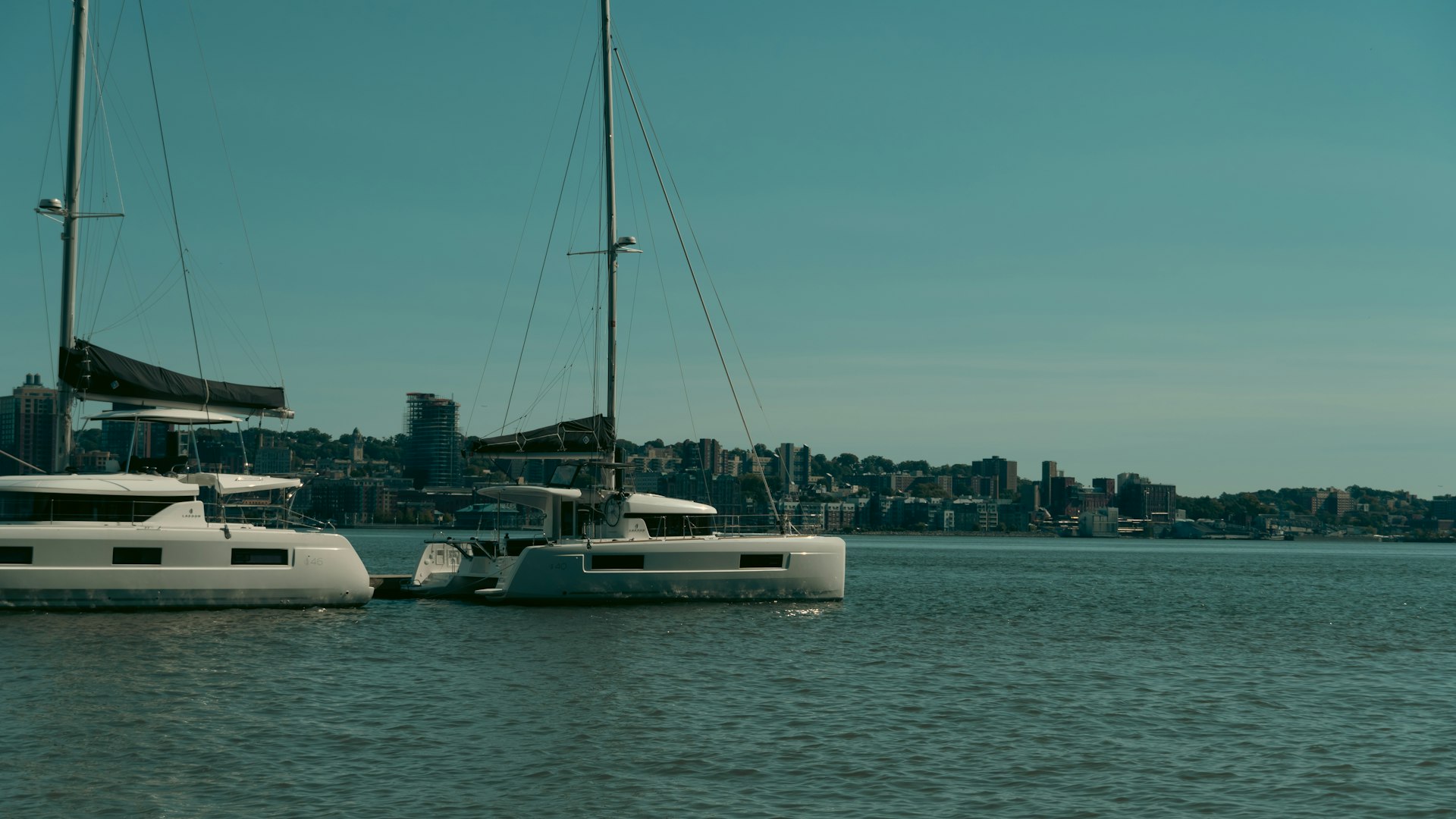
Sailing Yacht Charter Windward Islands
Trade winds from the northeast, island-hopped passages between St Lucia, St Vincent, the Grenadines, and Grenada — the Windward Islands reward sailors who want genuine blue-water sailing rather than a marina holiday.
Sailing Yachts Available in Windward Islands
Browse our selection of sailing yachts available for charter in Windward Islands.

Bareboat Sailing Yacht Dufour 405 Grand Large
Dufour 405 · 2012
From
€2k/week

Bareboat Sailing Yacht THOXA VII
Dufour 405 Grand Large
From
$2k/week

Bareboat Sailing Yacht Sun Odyssey 36i
Sun Odyssey 36i · 2009
From
$2k/week

Bareboat Sailing Yacht Bavaria 39
Bavaria 39 · 2008
From
$2k/week

Bareboat Sailing Yacht Beneteau 463
Beneteau 463 · 1998
From
$2k/week

Bareboat Sailing Yacht Jeanneau 43 DS
Jeanneau 43 DS · 2003
From
$2k/week

Bareboat Sailing Yacht Beneteau Cyclades 43
Cyclades 43 · 2006
From
$3k/week

Bareboat Sailing Yacht Bavaria 45
Bavaria 45 · 2011
From
$3k/week

Bareboat Sailing Yacht Jeanneau 50DS
Jeanneau 50 Deck Salon · 2009
From
$4k/week

Bareboat Sailing Yacht Beneteau 51.5
Beneteau 51.5 · 2006
From
$4k/week

Bareboat Sailing Yacht Beneteau 515
Beneteau 515 · 2007
From
$5k/week

Crewed Sailing Yacht MIO SHI
Beneteau 51.1 · 2021
From
€14k/week
Other Vessel Types in Windward Islands
The Windward Islands form the southern arc of the Eastern Caribbean, running roughly 450 nautical miles from St Lucia at the north to Grenada at the south, with the Grenadines scattered like stepping stones between them. Unlike the more sheltered Leewards to the north, this chain demands a degree of genuine seamanship: the Atlantic swell wraps around eastern headlands, inter-island crossings can run 25-35 nautical miles in open water, and the northeast trade winds blow with consistent authority from December through May. That combination is precisely what draws experienced bluewater sailors here.
The payoff is a cruising ground of extraordinary variety. You move between French Creole culture in Martinique, Rastafarian fishing villages in the Grenadines, the volcanic drama of the Soufrière coast in St Lucia, and the spice estates of Grenada — all within a single charter week. Passages rarely exceed a day, anchorages are uncrowded by Mediterranean standards, and provisioning in Rodney Bay or Kingstown is straightforward. This is a destination that balances ambition with accessibility.
Why Charter in Sailing Yacht charter in Windward Islands
Sailing conditions in the Windward Islands are among the most consistent in the world. The northeast trades blow at 15-25 knots for the greater part of the high season, giving brisk downwind and beam-reach sailing on most inter-island passages. The Bequia Channel and the Grenada-Carriacou crossing offer genuine offshore miles; the many anchorages along the leeward coasts of each island provide sheltered stops for the night. Charterers with offshore experience can push east to Barbados from Bequia in a long day passage of around 80 miles if the schedule allows.
The Grenadines themselves occupy a special position in Caribbean sailing. Tobago Cays Marine Park, the Tobago Cays, Mayreau, Palm Island, and Petit St Vincent are clustered within 20 nautical miles — a concentration of protected anchorages, coral gardens, and low-lying palm islands that requires careful navigation but repays the attention. The reef systems here are still largely intact, hawksbill turtles are a routine anchorage companion, and the lobster grilled at a Clifton Harbour beach barbecue tastes nothing like what comes off a supermarket shelf.
Beyond the Grenadines, Grenada adds the northern Caribbean's most compelling agricultural culture to the sailing mix. Grand Anse Bay and Prickly Bay are well-provisioned bases; the interior spice estates — nutmeg, cinnamon, turmeric — are worth half a day ashore. Martinique, for those chartering north of St Lucia, brings French gastronomy to the equation: AOC Rhum Agricole distilleries, markets stacked with ripe mangoes and saltfish, and chandleries that stock European chart plotters and provisioning of genuine quality.
Sailing Yacht charter in Windward Islands Highlights
Rodney Bay Marina, St Lucia — One of the Eastern Caribbean's best-equipped marinas, with comprehensive provisioning at JQ's supermarket, good chandleries, and straightforward immigration clearance. The natural setting inside the bay also protects against ocean swell.
Soufrière and the Piton anchorage, St Lucia — Anchoring in 10-20 metres off the fishing village of Soufrière with Gros Piton and Petit Piton rising above the boat is one of the most distinctive anchorages in the Caribbean. The Diamond Botanical Gardens and Sulphur Springs are within walking distance.
Admiralty Bay, Bequia — The largest island in the Grenadines with a well-sheltered anchorage, an active boatbuilding tradition, and Frangipani bar on the waterfront. Bequia's model whale boats and working yard confirm this is not a resort island.
Tobago Cays Marine Park — A protected group of five uninhabited islets ringed by horseshoe reef, open to the Atlantic swell only on the eastern side. Snorkelling on Horseshoe Reef is exceptional; green and hawksbill turtles feed on the seagrass beds in the lagoon. Anchoring in settled conditions requires care to avoid the reef heads.
Clifton Harbour, Union Island — The entry and clearance point for the Grenadines when coming from Grenada, with a compact strip of bars, a fresh provisions market, and access to the kite-surfing flats at Chatham Bay on the island's northwest coast.
Carriacou, Grenada's northern dependency — Tyrrel Bay is a popular anchorage with good holding and a handful of laid-back provisions stops; the annual Carriacou Regatta in August is one of the Caribbean's most authentic traditional sailing events.
Grand Anse Bay and Prickly Bay, Grenada — Grenada is the natural southern terminus for a Windward Islands charter, offering proper supermarkets, fuel, and rum shops selling locally made Westerhall or Rivers rum. The Carenage in St George's is worth a morning ashore for the nutmeg-scented market and colonial architecture.
When to Sail
The Windward Islands have a defined dry season from December through May when the northeast trades are reliable and rainfall is low. The summer and autumn months bring lighter, variable winds, higher humidity, and Atlantic hurricane risk from June through November.
High Season (Jun-Sep)
Note that in the Windwards, the conventional Caribbean 'high season' label requires some care: June through September falls within the Atlantic hurricane season, and while the southern Windwards (Grenada sits below the recognised hurricane belt at 12°N) carry lower structural risk than the northern islands, prudent charterers should monitor NOAA and CIMSS advisories and check that their chosen yacht's insurance covers this window. That said, June and early July often bring lighter conditions, vivid green landscapes, and significantly fewer boats at anchorage. This is a window for experienced crews who understand the risk trade-off and want uncrowded sailing.
Shoulder Season (May, Oct)
January through April is the most dependable period: the northeast trades settle at 18-25 knots, squalls are short-lived and predictable, and visibility across inter-island passages is excellent. May is an effective shoulder month — winds remain largely trade-driven, charter prices ease slightly from peak, and anchorages at the Tobago Cays and Bequia begin to thin out. October is transitionally wet with variable winds, better suited to experienced sailors comfortable with less predictable conditions. December replicates high-season quality and coincides with the ARC rally fleet arriving in Rodney Bay, which adds atmosphere but also competition for berths.
Choosing the Right Yacht
The sailing yacht fleet in the Windwards is predominantly composed of performance cruisers from Bavaria, Beneteau, Dufour, and Jeanneau in the 39 to 51-foot range — exactly the right tools for this cruising ground. A boat in the 45-51 foot bracket handles the swell on inter-island crossings more comfortably and carries enough water and fuel capacity to reach Grenada from St Lucia in a multi-day passage with confidence. The Beneteau 463 and 51.5 series in particular have a proven blue-water record, with sufficiently stiff hulls and reliable sail plans for the trade-wind conditions you'll encounter on passages like the Bequia Channel crossing. Smaller models such as the Bavaria 39 are well-suited for couples or small groups who want to focus on the sheltered Grenadines rather than pushing south to Grenada, and their shallower draft makes navigating the coral heads in Tobago Cays somewhat more forgiving.
Seven Nights Through the Grenadines, St Lucia to Grenada
A suggested week-long charter route
Board and provision at Rodney Bay Marina, St Lucia. An afternoon familiarisation sail south along the lee coast, anchoring for the first night in the calmer waters of Marigot Bay — a narrow, well-sheltered inlet 5 miles south of Castries, with ferry access to the village and a good selection of restaurants on the inner lagoon.
A full sailing day south to Soufrière (roughly 15 nautical miles). Anchor off the Pitons in 15 metres over sand; stern line ashore is common practice and local boat boys will assist for a modest fee. Afternoon ashore to the Sulphur Springs drive-in volcanic crater and Diamond Falls. Sundowners in the anchorage with the Pitons catching the last light.
Depart early for the St Lucia Channel crossing to Bequia — approximately 40 nautical miles in open water. The northeast trades typically give a lively beam-to-close reach; expect apparent winds of 20-28 knots and moderate Atlantic swell on the channel. Arrive Admiralty Bay by mid-afternoon, anchor or secure a mooring ball, and walk up to the Frangipani for the evening.
A short 18-mile passage south through the Bequia Channel to Mustique or, if Mustique permits (clearance required in advance), continue to Canouan. Canouan's south anchorage off the lagoon offers good snorkelling and a quiet overnight away from the resort crowd.
The Tobago Cays. Enter through the western passage from Union Island, anchor on the sand inside Horseshoe Reef in 4-6 metres. Spend the day snorkelling the reef, swimming with turtles in the lagoon, and taking the dinghy to the beach on Baradal Cay. Mooring balls are available and required by the Marine Park authority; book ahead during high season.
Clear out of the Grenadines at Clifton Harbour, Union Island if heading south. An optional stop at Carriacou's Tyrrel Bay breaks the 45-mile passage to Grenada and gives you an evening in one of the Eastern Caribbean's most unhurried anchorages. Good holding over sandy mud in 4-8 metres.
Morning passage south to Prickly Bay, Grenada (approximately 22 miles from Carriacou), arriving for a final night provisioning run and dinner ashore. The Carenage in St George's is a half-hour taxi ride and worth the evening for the nutmeg-rich local cooking and a glass of Rivers Rum Agricole.
Local Tips
- •Customs and immigration clearance must be completed at the first port of entry in each island nation: St Lucia at Rodney Bay or Castries; St Vincent and the Grenadines at Bequia or Kingstown; Grenada at Prickly Bay or the Carenage. Carry multiple photocopies of the ship's papers and all crew passports — officials expect a full crew list on arrival.
- •Provisioning is best done in Rodney Bay, St Lucia at the outset, and topped up in Clifton, Union Island or Prickly Bay, Grenada at the southern end. Fresh produce — christophine, plantain, breadfruit, local limes — is far better value and quality at market stalls than at marina provisioners. In Bequia, the Wednesday and Saturday markets on the waterfront are reliable.
- •Mooring balls in the Tobago Cays are managed by the National Parks Authority and are mandatory during peak season when anchoring is restricted to preserve the seagrass. Arrive by 1400 to secure a ball; late arrivals have been required to proceed to Clifton.
- •Fuel and water are available at Rodney Bay, Clifton Harbour, and Prickly Bay. Outside these stops, carry enough diesel for motoring if the trades drop in the passages through the central Grenadines. The windless slot between Canouan and Mustique is a known frustration in light-air periods.
- •Cuisine ashore deserves real attention rather than a casual stop. In St Lucia, ask specifically for bouyon (a Creole meat and ground-provision soup) and grilled jack fish from the Friday night fish fry at Anse La Raye. In Grenada, oil-down — a one-pot dish of breadfruit, callaloo, and salted meats slow-cooked in coconut milk — is the national dish and found in any proper local rum shop.
- •Local boat boys operating at popular anchorages (particularly Soufrière and the Tobago Cays) provide genuinely useful services — stern lines, dinghy watch, local produce — and operate on a negotiated cash basis. Agree the price before accepting assistance; a polite but firm acknowledgment of services you do not want avoids misunderstanding.
Frequently Asked Questions
Do I need offshore sailing experience to charter in the Windward Islands+
Is a catamaran or monohull better for sailing the Windward Islands+
What are the entry requirements for sailing between St Lucia, St Vincent and the Grenadines, and Grenada+
When is the best time to charter in the Windward Islands+
Can we sail to Barbados during a Windward Islands charter+
Speak to the SelectYachts team to match the right yacht from our Windward Islands fleet to your dates, crew size, and sailing ambitions.
Request Your Charter