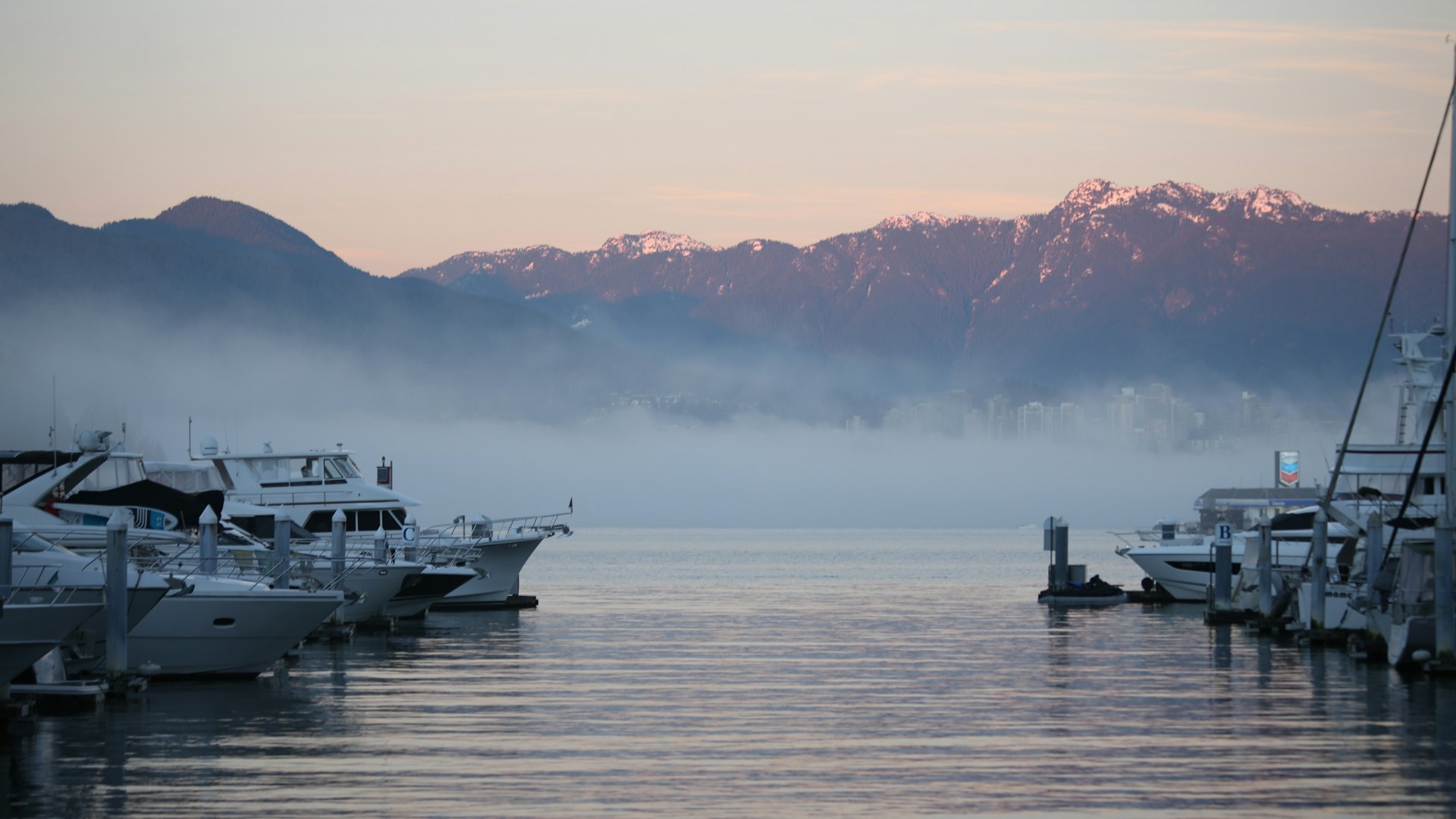
Pacific Northwest Yacht Charters
From the glacier-carved channels of the San Juan Islands to the fjord-like reaches of Puget Sound and British Columbia's Inside Passage, the Pacific Northwest rewards serious charterers with wilderness anchorages, world-class seafood, and sailing waters that feel genuinely remote without ever being far from civilisation.
Charter by Vessel Type in Pacific Northwest
Catamaran Charter in Pacific Northwest
Spacious twin-hull vessels offering stability, comfort, and generous deck space for the ultimate charter experience.
Sailing Yacht Charter in Pacific Northwest
Classic sailing vessels that combine timeless elegance with the thrill of wind-powered adventure.
Motor Yacht Charter in Pacific Northwest
Powerful luxury vessels delivering speed, sophistication, and effortless cruising across any waters.
Available Yachts in Pacific Northwest

Bareboat Sailing Yacht Beneteau Oceanis 45
Oceanis 45 · 2018
From
$4k/week

Bareboat Catamaran Lagoon 39
Lagoon 39 · 2017
From
$5k/week

Bareboat Catamaran Bavaria Nautitech Open 40
Nautitech Open 40 · 2016
From
$5k/week

Bareboat Catamaran Fountaine Pajot Lipari 41
Lipari 41 · 2015
From
$5k/week

Crewed Motor Yacht NORTHERN LIGHT
Hatteras 74 · 1987
From
$30k/week

Crewed Motor Yacht BEAR PAW
90ft Custom · 1967
From
$36k/week

Luxury Crewed Motor Yacht MY LADY ALASKA
Broward 97 · 2001
From
$70k/week

Luxury Crewed Motor Yacht ALMOST THERE
Horizon 106 · 2005
From
$85k/week

Luxury Crewed Motor Yacht BLACKWOOD
motor yacht · 1998
From
$88k/week

Luxury Crewed Motor Yacht VOYAGER
Ocean Alexander 90R Enclosed · 2019
From
$89k/week

Classic Sailing Yacht KAORI
sailing yacht · 1992
From
$125k/week

Luxury Crewed Motor Yacht LAST CALL
Intermarine 132 · 2002
From
$130k/week
The Pacific Northwest encompasses one of North America's most complex and rewarding cruising grounds. Stretching from the Washington coast north through the San Juan and Gulf Islands and into the fjords of British Columbia, the region offers an estimated 1,000-plus nautical miles of protected inland waterways. Tidal ranges run up to 14 feet in places, currents through narrow passages such as Deception Pass and Dodd Narrows demand careful timing, and the weather shifts quickly enough to keep even experienced crews engaged. This is not passive charter territory.
What distinguishes the Pacific Northwest from other North American charter destinations is the combination of genuine wilderness and refined culture in close proximity. You can anchor in a silent, eagle-patrolled cove in the morning and be tied up at a marina with a Michelin-recognised restaurant by evening. The marine biodiversity is exceptional: orca pods follow the salmon runs through Haro Strait in summer, Steller sea lions haul out on navigation buoys, and humpback whales have been reappearing in numbers not seen for decades.
Why Charter in Pacific Northwest
The practical case for chartering here is compelling. Because the waters are largely sheltered, motor yachts, sailing yachts, and catamarans all find conditions suited to their characteristics across the season. There are no exposed ocean crossings required to reach the best cruising ground; you depart from Seattle, Anacortes, or Friday Harbor and are in world-class territory within a matter of hours. This accessibility makes the Pacific Northwest unusually efficient: almost every day of a week-long charter can be spent exploring rather than repositioning.
The cultural dimension is often underrated. The San Juan Islands have a distinct creative and agricultural identity, with working farms, oyster operations, and small-production wineries on Orcas and Lopez Islands that bear little resemblance to standard marina-town tourism. Further north, the First Nations heritage of the Gulf Islands and Vancouver Island adds genuine depth, with active cultural centres and historically significant sites accessible only from the water. The provisioning culture reflects the environment: Dungeness crab, Pacific halibut, wild Chinook salmon, and geoduck are not menu affectations but genuinely local.
For charterers accustomed to the Caribbean or Mediterranean, the Pacific Northwest recalibrates expectations. Distances are measured carefully because tides and currents dictate passage timing rather than convenience. Slack water at active passes is a scheduling constraint and a piece of practical knowledge that separates experienced Pacific Northwest crews from newcomers. A good captain, or careful passage planning if you charter bareboat, is the single most important preparation for getting the most out of these waters.
Pacific Northwest Highlights
Roche Harbor, San Juan Island: A historic limestone company town turned full-service marina with customs clearance facilities, a good restaurant, and direct access to Haro Strait whale-watching opportunities.
Sucia Island State Marine Park: One of the finest free-mooring anchorages in the region, with sandstone formations, clear-water coves, and hiking trails accessible only by boat. No roads, no shops, no noise.
Bedwell Harbour, South Pender Island: The Canadian Port of Entry for southbound vessels, with a small resort marina, accessible kayaking, and a quiet that feels disproportionate to its proximity to Victoria.
Princess Louisa Inlet, British Columbia: A 4-nautical-mile fjord at the head of Jervis Inlet with near-vertical granite walls rising over 6,000 feet and Chatterbox Falls at its head. The inlet's tidal gate, Malibu Rapids, opens only near slack water, which makes planning the passage part of the experience.
Desolation Sound Marine Park: The warmest swimming water north of Baja California on the Canadian Pacific coast, calm anchorages in Prideaux Haven and Tenedos Bay, and shellfish gathering that rewards a charter party willing to travel the additional distance from Seattle.
Victoria, British Columbia: A proper city harbour, walkable inner harbour with excellent provisioning, and cultural depth that most Pacific Northwest itineraries underuse. Butchart Gardens is an obvious draw, but the Fisherman's Wharf and the James Bay neighbourhood are more instructive about daily life here.
Lopez Island: The quietest and most agricultural of the easily accessible San Juans, with a working oyster farm, a strong cycling culture, and a small village centre that feels authentic rather than curated for visitors.
When to Sail
The core season runs from June through September, when the dominant North Pacific High suppresses the regional weather system and delivers the most reliable conditions. Outside these months, the region reverts to its maritime character, with more frequent south-westerly fronts and reduced visibility, though shoulder months reward flexible charterers willing to work around the weather.
High Season (Jun-Sep)
July and August are the driest months in the San Juans, with average daytime temperatures around 70-75°F and prevailing northwesterly afternoon breezes of 10-18 knots making for excellent sailing in the islands. Fog is possible but far less persistent than on the outer coast. The orca population is most reliably present in Haro Strait between mid-July and September, tracking the Fraser River Chinook salmon run. Marinas fill quickly; advance booking of slips at Roche Harbor, Deer Harbor, and Bedwell Harbour is essential. June is marginally less crowded and often underrated.
Shoulder Season (May, Oct)
May can deliver extraordinary conditions, particularly in the second half of the month when the weather pattern begins to stabilise. Anchorages are uncrowded, wildlife activity is high, and the landscape is vivid green after the winter rains. October is unpredictable but not impossible, with some of the finest light of the year and dramatically reduced boat traffic. Both months require a crew or charter party comfortable with monitoring forecasts and adjusting plans. A well-found motor yacht is a more practical choice for shoulder season than a sailing yacht optimised for light airs.
Choosing the Right Yacht
Motor yachts dominate Pacific Northwest chartering for practical reasons. The tidal complexity means that arriving at a pass or anchorage at the right state of tide matters more than covering ground at the mercy of the wind, and the ability to set a precise speed and ETA has real operational value. A vessel in the 90-106 foot range, such as a Horizon or a well-specified custom yacht, provides the range, stability in chop, and onboard comfort to remain in remote anchorages for multiple nights without relying on marinas. Vessels in this class also carry the tenders and water toys that transform wilderness stops into full-day experiences. Sailing yachts and catamarans suit charterers who prioritise the passage itself and are comfortable working within the wind and tide's constraints. The afternoon northwesterlies in the San Juans are reliable enough to make a performance sailing yacht genuinely rewarding between late June and August, particularly for passages across the Strait of Juan de Fuca or between islands. Catamarans offer shallow draft and exceptional deck space for wildlife observation, and their stability at anchor makes them well-regarded among charter parties with children or guests unaccustomed to monohull motion. For any type, a captain with Pacific Northwest experience is a meaningful advantage over general offshore competence.
Seven Days in the San Juans and Southern Gulf Islands
A suggested week-long charter route
Depart Anacortes, Washington, provisioned and cleared. Transit north through Guemes Channel and Bellingham Channel toward the San Juan Islands. Anchor or secure a slip at Sucia Island State Marine Park by mid-afternoon, allowing time for a walk on the sandstone shoreline and a first evening in genuine solitude.
Circumnavigate Sucia or transit south to Orcas Island. Deer Harbor Marina offers reliable moorage and access to the island's interior. Consider a vehicle rental or water taxi to Moran State Park and the summit of Mount Constitution for an unusual elevated perspective of the archipelago.
Move to San Juan Island, arriving at Roche Harbor before the afternoon rush. Spend the afternoon exploring the island by bicycle or tender. Haro Strait, immediately west, is one of the most consistent orca-watching corridors in the world during summer; position accordingly in the afternoon.
Cross Haro Strait and enter Canadian waters, reporting customs arrival at Bedwell Harbour on South Pender Island. The crossing is straightforward in settled conditions. Afternoon kayaking in the sheltered bays of the Pender Islands, followed by an evening at anchor in Prior Centennial Park.
Transit north through Satellite Channel and into Saanich Inlet if time permits, or proceed directly to Victoria's Inner Harbour. Clear with Canada Border Services Agency if not already done. Evening in Victoria for dinner; the city's restaurant scene has improved markedly in recent years, with strong emphasis on Vancouver Island shellfish and local produce.
Depart Victoria, crossing the Strait of Juan de Fuca on a favourable tide to Friday Harbor on San Juan Island. Friday Harbor is the largest town in the San Juans and offers good reprovisioning, the San Juan Islands Museum of Art, and access to the Whale Museum with real-time orca tracking data.
A final morning at anchor or a last stop at Lopez Island's Fisherman Bay before returning south through Rosario Strait to Anacortes. The flood tide will assist the southbound passage if departure is timed for mid-morning.
Local Tips
- •Customs and border crossing: Vessels transiting between US and Canadian waters must report to CBP (US) or CBSA (Canada) at designated ports. ROAM (Canada) and the CBP Reporting Offsite Arrival Mobile app streamline the process but do not replace the requirement to report; plan your Canadian entry port in advance.
- •Tidal passage planning: Dodd Narrows, Deception Pass, Malibu Rapids, and Sergius Narrows all require transit at or near slack water. The Canadian Hydrographic Service and NOAA both publish accurate tide and current tables; cross-reference the tidal station relevant to each specific passage, not the nearest general reference point.
- •Seafood procurement: Many San Juan Islands marinas post notices from local crab and prawn fishermen who sell direct from their vessels in the morning. Dungeness crab bought this way, cooked the same day, is meaningfully different from anything sourced further along the supply chain. A good cooler and a pot aboard your charter are worth having.
- •Marine weather sources: The NOAA VHF broadcast on WX1 through WX3 covers the region adequately, but the Environment Canada marine forecasts for Georgia Strait and Juan de Fuca Strait should be consulted for any passages approaching Canadian waters. Windy.com's GFS and ECMWF models are widely used by local mariners as a complement to official forecasts.
- •Mooring availability at Sucia and Jones Islands: State Parks mooring buoys operate on a first-come, first-served basis and are not reservable. Anchoring is permitted where depths allow, but popular anchorages such as Fossil Bay at Sucia fill quickly on summer weekends; arrive by early afternoon or plan an alternative.
- •Wildlife etiquette and regulation: Federal regulations prohibit approaching Southern Resident orcas within 300 yards in US waters and 400 metres in Canadian waters. Vessels must also avoid positioning in the path of a travelling pod. These rules are actively enforced and carry significant fines; a crew briefing before entering Haro Strait is worthwhile.
Frequently Asked Questions
Do I need a captain or can I charter bareboat in the Pacific Northwest+
What is the best base port for a San Juan Islands charter+
Can we cross into Canada on a charter yacht+
How far in advance should we book marina slips+
What types of yacht are available for charter in the Pacific Northwest+
Is the Pacific Northwest suitable for guests who are not experienced sailors+
Speak with our charter specialists to match the right vessel and itinerary to your dates in the Pacific Northwest.
Request Your Charter