Sweden Yacht Charters
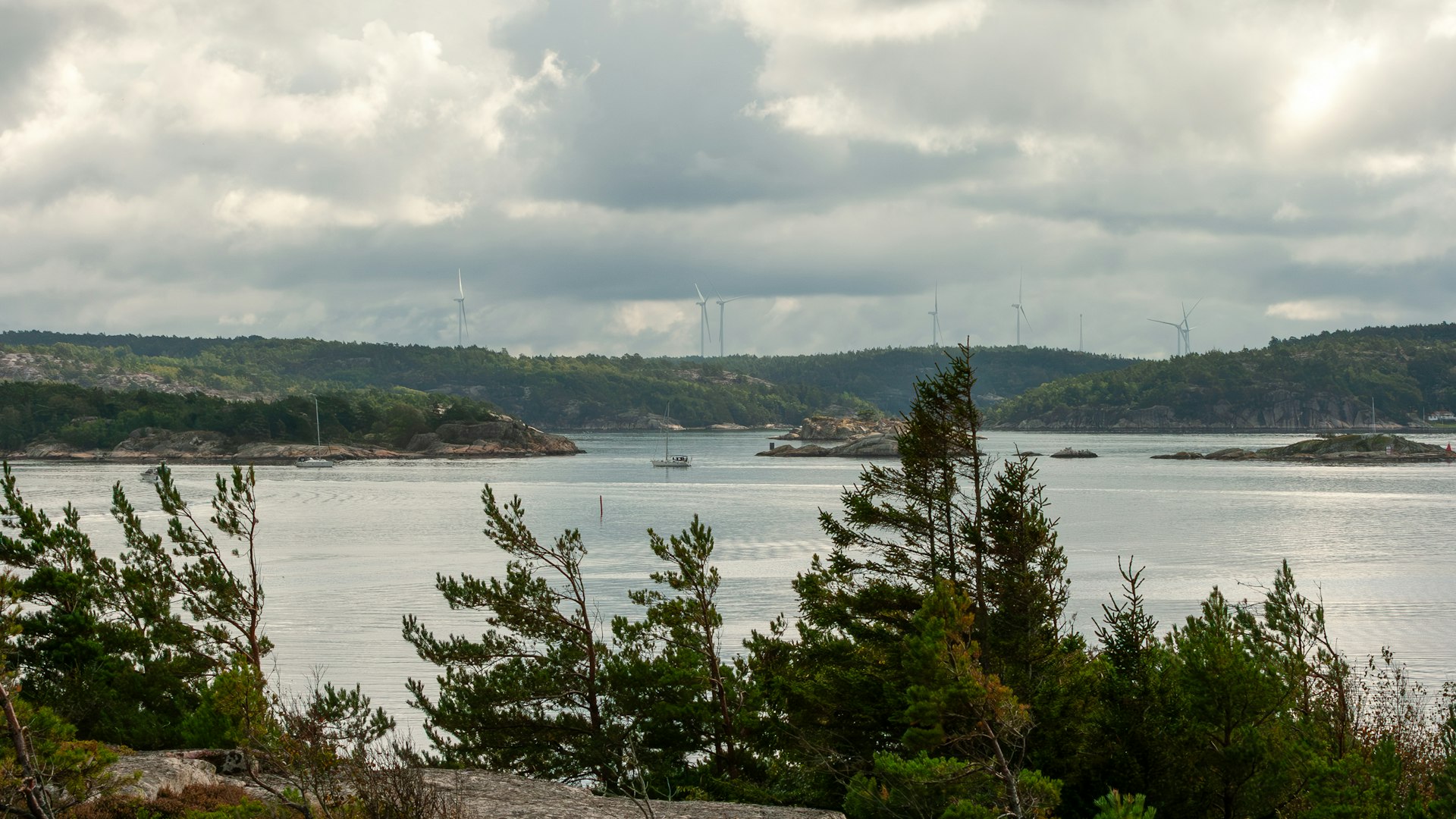
Sweden's Baltic coastline stretches for over 3,000 kilometres of fractured granite, sheltered inlets, and archipelago sailing unlike anywhere else in Europe. This is a destination that rewards the curious charterer willing to look beyond the Mediterranean.
Charter by Vessel Type in Sweden
Catamaran Charter in Sweden
Spacious twin-hull vessels offering stability, comfort, and generous deck space for the ultimate charter experience.
Sailing Yacht Charter in Sweden
Classic sailing vessels that combine timeless elegance with the thrill of wind-powered adventure.
Motor Yacht Charter in Sweden
Powerful luxury vessels delivering speed, sophistication, and effortless cruising across any waters.
Sweden divides neatly into two distinct charter theatres. To the west, the Bohuslän coast runs north from Gothenburg through a labyrinth of skerries, polished rock islands, and narrow fjord passages where the prevailing south-westerlies funnel cleanly between the islands. To the south-east, Stockholm's archipelago — some 30,000 islands and islets — offers a more intimate, freshwater-influenced Baltic experience with calmer seas and extraordinary access to one of Scandinavia's finest capital cities. Both reward serious sailors who have grown tired of overcrowded Med anchorages.
What distinguishes Swedish waters is the quality of the light and the near-total absence of crowds once you move beyond the handful of well-known guest harbours. In July, the sun barely sets. The water, though bracing by Adriatic standards, is clean enough to swim in from the boat. The seafood — particularly west-coast prawns, lobster, and crayfish — is exceptional when sourced locally. And the allemansrätten, Sweden's constitutional right of public access to nature, means you may anchor off an uninhabited granite skerry and step ashore freely, which is a freedom rare in any other European sailing ground.
Why Charter in Sweden
The Swedish archipelago offers some of the most technically interesting pilotage in Northern Europe. The channels are well-charted on modern electronic systems, but the sheer density of islands demands attentive navigation and rewards those who know how to read a chart plotter and trust their depth sounder. Tidal ranges are negligible in the Baltic — rarely exceeding 20–30 centimetres — which simplifies berthing considerably, though current can run hard in the narrower Bohuslän channels, particularly on an ebb.
The guest harbour system in Sweden is genuinely well-developed for visiting yachts. Facilities at Marstrand, Grebbestad, Fjällbacka, and Smögen on the west coast are clean, well-staffed, and equipped with electricity and water. In the Stockholm archipelago, harbours such as Sandhamn, Vaxholm, and Utö operate efficiently throughout the summer season. Mooring fees are modest by European standards, and the Scandinavian culture of order and courtesy makes marina operations notably stress-free.
For charterers who value cultural depth alongside sailing, Stockholm is categorically one of the finest cities in Europe to arrive at by water. Sailing into the city through the outer archipelago, past Fjäderholmarna and into Djurgårdsbrunnsviken, and mooring within walking distance of Gamla Stan and the Vasa Museum is an arrival experience that no airport transfer can replicate. The west-coast alternative is Gothenburg, a compact, food-forward city with the Feskekôrka fish market and a genuine maritime character that feels unreconstructed and honest.
Sweden Highlights
Marstrand, Bohuslän — A historic fortress island accessible only on foot or by water. The Carlsten fortress dominates from the ridge, the guest harbour is one of the best-maintained on the west coast, and the village restaurants serve west-coast seafood at a standard that competes with anything in Gothenburg.
Fjällbacka — A small, handsome town backed by a dramatic rock cleft called Kungsklyftan. Ingrid Bergman spent her summers here, and the town's affection for that heritage is worn lightly. Excellent provisioning and a very good harbour for an overnight stop between Strömstad and Marstrand.
Smögen and Kungshamn — The painted boathouses and narrow boardwalk of Smögen are legitimately photogenic without being kitschy. The prawn boats unload at the quay most mornings in summer; buying directly from the vessel is entirely normal and produces markedly better results than any restaurant.
Sandhamn, Stockholm Archipelago — The outer archipelago's social hub for Swedish yachtsmen since the 19th century. The Royal Swedish Yacht Club has its summer base here. The church, the pilot station, and the excellent Sandhamns Värdshus inn make this a genuine destination rather than a passing anchorage.
Utö, Stockholm Archipelago — The southernmost inhabited island of the inner archipelago. Iron was mined here as early as the 12th century; the landscape retains an austere, worked quality distinct from the polished resorts further north. Strong winds in the outer reaches between Utö and Landsort suit experienced sailors.
Vaxholm — The gateway fortress town to the inner Stockholm archipelago. The 16th-century citadel was never successfully breached in war. Day charter boats make the run from Stockholm regularly, but an overnight stop on a private charter allows you to experience the town in a quieter register after the day visitors leave.
The Koster Islands, Bohuslän — Nordkoster and Sydkoster sit adjacent to Europe's first marine national park, Kosterhavet. The water clarity here is exceptional by Baltic standards, and the low-lying island topography creates a different character entirely from the dramatic granite skerries to the south.
When to Sail
The Swedish charter season runs from late May through September, with July and early August delivering the longest days and warmest conditions. Outside these months, cold fronts arrive quickly and daylight diminishes sharply.
High Season (Jun-Sep)
July and early August represent the peak of the Swedish sailing season. Air temperatures along the Bohuslän coast typically reach 20–25°C on settled days, and sea temperatures in sheltered fjords can reach 18–20°C — swimmable by Nordic standards. Winds along the west coast are predominantly south-westerly at Force 3–4, offering comfortable passage-making between the islands. The Stockholm archipelago in high season is busy but never congested in the way Mediterranean anchorages become; booking ahead at popular guest harbours like Sandhamn is advisable in late July. Daylight at midsummer extends past 10pm, effectively eliminating the concept of night sailing in the conventional sense. Crayfish season opens on the second Thursday of August, and the associated kräftskiva celebrations give charters in late August a particularly festive character.
Shoulder Season (May, Oct)
May can produce genuinely fine sailing days, and the archipelago is notably uncrowded. However, water temperatures remain cold — rarely above 12°C — and the risk of a northerly blow bringing wet, grey conditions is real. Charterers in May should be experienced offshore sailors comfortable in foul-weather gear, not fair-weather cruisers. October is broadly similar: some exceptional settled periods occur, the autumn colours on the wooded inner islands are remarkable, but wind patterns become less predictable and some guest harbour facilities begin closing by mid-month. Both shoulder months suit charterers who prioritise solitude over comfort guarantees.
Choosing the Right Yacht
Sweden's waters suit sailing yachts strongly over motor yachts for several reasons. The steady south-westerlies on the Bohuslän coast offer consistent reaching conditions in the passages between islands, and the well-developed guest harbour infrastructure makes overnight berthing straightforward without the need for large fuel capacity. A well-found sailing yacht of 40–70 feet handles the occasional swell in more exposed outer passages while remaining manageable in the tighter fjord channels. The Nautors Swan 70 at the upper end of the available range is a particularly appropriate choice: the fin keel and performance hull suit the Baltic's light-to-moderate conditions, and the offshore pedigree provides a genuine safety margin for the occasional low-pressure system that sweeps through in August.
Seven Days in the Bohuslän Archipelago, Gothenburg to Strömstad
A suggested week-long charter route
Depart Gothenburg's Lilla Bommen marina and sail north through the Hakefjord, passing under the Tjörn bridge and into the Bohuslän skerry landscape. First anchorage or guest berth at Marstrand (approximately 25nm). Provision locally and dine ashore at the fortress-top restaurant. Brief the crew on Swedish pilotage conventions.
Morning departure north-west toward Hävsten or Åstol — small fishing islands with tight guest harbours and genuine character unspoiled by tourist infrastructure. Swim from the boat in one of the sheltered coves between the skerries if the air temperature permits. Continue to Lysekil for the night, a functional town with good provisioning and a decent fish restaurant on the waterfront.
Longer passage day north to Smögen (approximately 35nm). Time arrival for the late-morning prawn boat unloading if possible. Spend the afternoon exploring the boardwalk and the outer skerries by tender. The anchorage off Hållö island, just north-west of Smögen, offers an alternative for those preferring to avoid the guest harbour's midsummer busyness.
Day sail to Fjällbacka (approximately 20nm north), one of the most attractive small towns on the entire west coast. Visit the Kungsklyftan rock cleft and the modest Ingrid Bergman memorial square. The approach through the outer islands demands careful chart work but is well-rewarded. Overnight in the guest harbour.
Transit north-east past Grebbestad — worth a lunch stop for the oysters, which are farmed in the adjacent fjord — and continue to the Koster Islands. Anchor off Sydkoster in settled weather or take a berth at the small marina. Dinghy ashore to explore the island by hired bicycle, a local custom that works remarkably well on this flat terrain.
Final passage to Strömstad, the northernmost Swedish town of any size before the Norwegian border. The approach through the outer Strömstad archipelago is scenic and well-marked. Strömstad has good restaurant options and a ferry connection to Norway's Hvaler islands for those wishing to extend their exploration. Final night aboard; crew dinner ashore.
Return south or disembark at Strömstad depending on charter agreement. The direct offshore route back to Gothenburg runs approximately 65nm in largely open water and suits experienced sailors comfortable with an exposed coastal passage. Alternatively, arrange charter completion in Strömstad with transport back to Gothenburg by road (approximately 1.5 hours).
Local Tips
- •Sweden requires no visa for EU and EEA nationals, and UK passport holders may enter freely for up to 90 days under the existing arrangements. Non-EU charterers should verify their specific requirements before departure. Customs formalities for yachts arriving from within the Schengen Area are minimal.
- •Provisioning is best done in Gothenburg or Stockholm before departure. Supermarkets in smaller island communities stock essentials but range narrows quickly. The ICA and Coop chains are found in most towns of any size; both carry a reasonable selection of wine and beer, though Sweden's alcohol laws restrict the purchase of anything above 3.5% ABV to state-run Systembolaget stores, which keep limited hours and are absent from many smaller islands.
- •VHF channel 16 is monitored by Swedish Maritime Administration (Sjöfartsverket) throughout the sailing area. The Swedish Cruising Association (Svenska Kryssarklubbet) publishes guest harbour guides that are invaluable for the archipelago; the digital version integrates with most chart plotters used in the region.
- •West-coast lobster season opens on the last Monday of September and runs through the winter. Crayfish season in August is a significant cultural event; if your charter falls in mid-to-late August, ask your provisioner to arrange a kräftskiva kit — bibs, paper lanterns, and a case of the appropriate schnapps varieties are all standard.
- •Swedish marina etiquette is generally quiet and orderly. Noise after 10pm is genuinely unwelcome in guest harbours, and generators running late in the evening will draw polite but firm comment from neighbouring boats. Plan your power consumption accordingly.
- •Fuel availability is consistent at major guest harbours along the Bohuslän coast and in the Stockholm archipelago, but carrying additional diesel is sensible for multi-day passages to the outer islands. Many smaller island harbours have no fuel pontoon; chart these gaps in advance.
Frequently Asked Questions
Do I need a skipper licence to charter a yacht in Sweden+
How are the seas in the Swedish archipelago compared to the Mediterranean+
What language do Swedish marina staff and locals use with visiting sailors+
Is Sweden suitable for families with children on a yacht charter+
What type of yacht is best suited to Swedish waters+
When should I book a Sweden charter to guarantee availability in peak season+
Contact SelectYachts to discuss available sailing yachts for the Swedish archipelago and secure your preferred dates with a tailored charter proposal.
Request Your Charter
