Sardinia Yacht Charters

Sardinia Yacht Charters

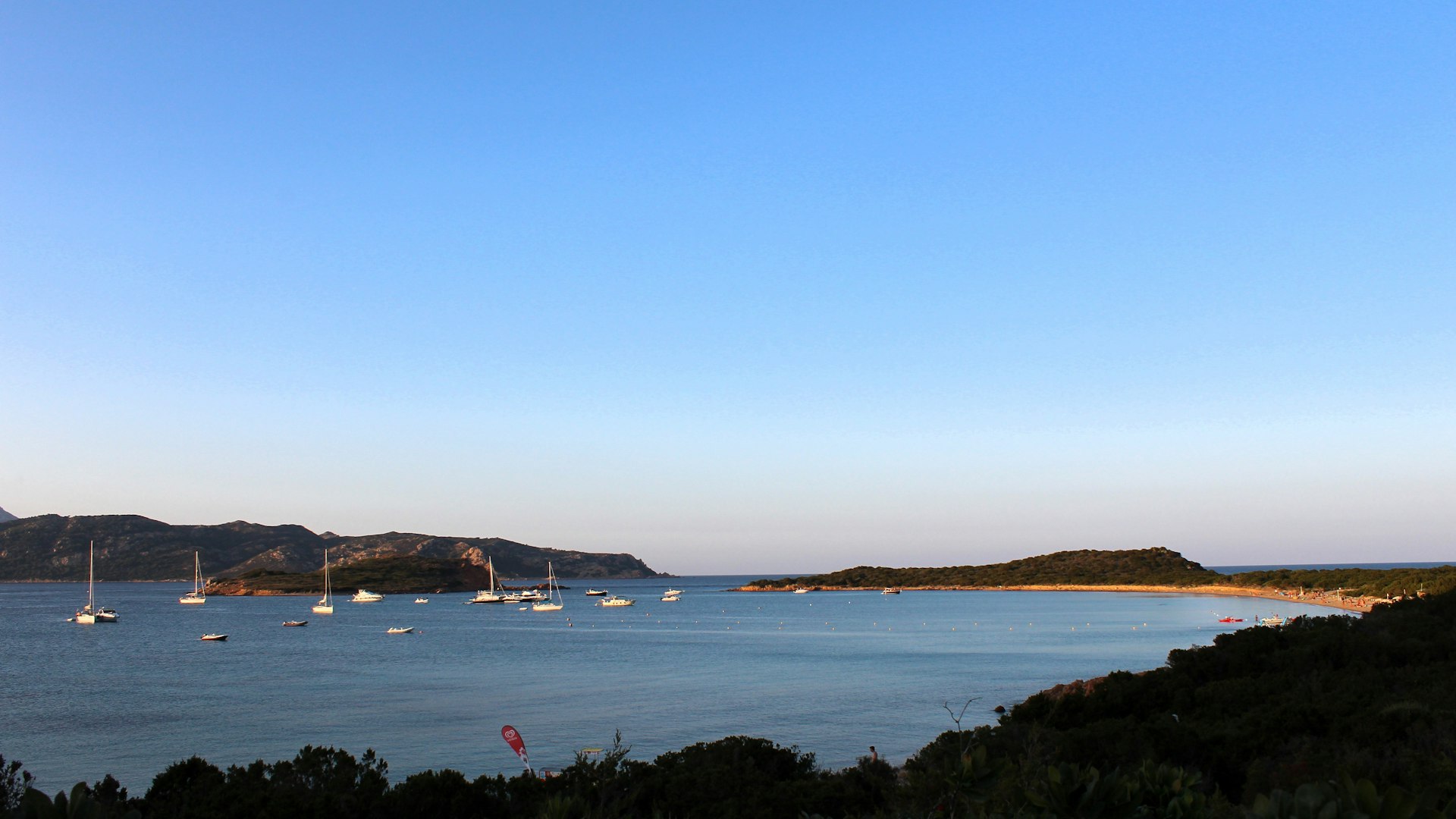
From the granite archipelagos of La Maddalena to the sheer limestone walls above Cala Goloritzé, Sardinia rewards charterers with some of the clearest water in the Mediterranean, reliable summer winds, and a coastline too varied to exhaust in a single season.

Charter by Vessel Type in Sardinia

Catamaran Charter in Sardinia

Spacious twin-hull vessels offering stability, comfort, and generous deck space for the ultimate charter experience.

Sailing Yacht Charter in Sardinia

Classic sailing vessels that combine timeless elegance with the thrill of wind-powered adventure.

Motor Yacht Charter in Sardinia

Powerful luxury vessels delivering speed, sophistication, and effortless cruising across any waters.

Sardinia sits at the crossroads of the western Mediterranean, roughly equidistant from the Italian mainland, Corsica, and the North African coast, which makes it both a self-contained destination and a natural staging point for longer passages. The island's 1,850 kilometres of coastline encompass everything from the pink granite skerries of the north to the wild, roadless Ogliastra cliffs in the east and the vast, shallow lagoons around Oristano in the west. No single anchorage tells the full story.

The charter market here spans an exceptional range. You will find compact sailing yachts threading into sea caves accessible only by water, and large displacement motor yachts positioned at the Porto Cervo marina for the season. What connects them is the quality of the sailing environment: transparent water, consistent thermal and seasonal winds, and a provisioning infrastructure built to service one of Europe's most demanding charter fleets.

Why Charter in Sardinia

The defining sailing characteristic of Sardinia is wind reliability. The Maestrale, the north-westerly that funnels between Sardinia and Corsica through the Bocche di Bonifacio, blows with conviction throughout summer, typically 15 to 25 knots by afternoon and easing overnight. Charterers who plan their routing with the Maestrale rather than against it cover ground efficiently and arrive at anchorages with enough light left to matter. The Mistral influence from southern France is the same weather system; understand it and Sardinia becomes considerably more predictable than the central Med.

Beyond the Maddalena Archipelago in the north, Sardinia's east coast is chronically undersailed. The Golfo di Orosei, accessible only by boat or a very long walk, holds a succession of coves — Cala Mariolu, Cala Biriola, Cala Sisine — each with a distinct character determined by the depth of the overhang above and the granulometry of the beach below. Afternoon Mistral-shadow keeps conditions benign on the eastern seaboard during stable high-pressure systems, making it ideal for slower cruising.

Gastronomy is a serious argument for Sardinia over other Italian charter destinations. Bottarga di Muggine from Cabras, hand-rolled fregola, roast suckling pig from the Barbagia hill towns, and Cannonau wines that bear no resemblance to generic Italian reds — these are not incidental to a Sardinian charter, they are part of the rationale. Porto Cervo may supply the international restaurant circuit, but anchor in Carloforte or sail into the Golfo di Arzachena and you access a food culture that remains firmly local.

Sardinia Highlights

1

La Maddalena Archipelago National Park — seven main islands and dozens of islets straddling the Bocche di Bonifacio, with protected anchorages in Cala Gandolfo, Cala Corsara, and Cala Francese offering multi-depth mooring options and extraordinary water clarity.

2

Cala Goloritzé on the east coast, a UNESCO-listed formation accessible only from the sea, where the limestone arch and the turquoise water beneath it justify the entire passage east of the island.

3

Porto Cervo and the Costa Smeralda — the marina infrastructure and superyacht servicing here is genuinely world-class; it functions as a base for provisioning, crew changes, and refit rather than merely a social destination.

4

Carloforte on Isola di San Pietro in the south-west, a Ligurian-dialect fishing town that has been producing tuna for centuries and where the local cuisine — tuna bottarga, cascà couscous, and locally-pressed olive oil — is unlike anything else on the island.

5

Golfo di Orosei between Arbatax and Cala Gonone, a 35-kilometre stretch of inaccessible limestone coast with seven major coves each requiring anchor-and-stern-line technique in 4 to 8 metres over white sand.

6

Stintino and the Asinara Channel in the north-west, where the long white spit of La Pelosa creates a shallow turquoise lagoon and the former penal colony of Asinara Island sits largely deserted within its national park.

7

The Arzachena Gulf anchorages including Cala di Volpe and Porto Rotondo — sheltered from the Maestrale, easily provisioned, and positioned for day sails into the more exposed Maddalena waters.

When to Sail

Sardinia is a viable charter destination from late April through to mid-October, with July and August commanding peak pricing and the highest concentration of vessels in popular anchorages. May and September offer the most balanced conditions for serious sailors.

High Season (Jun-Sep)

July and August bring settled weather, warm water temperatures around 25-27°C, and predictable Maestrale cycles that give structured sailing days. The trade-off is anchorage density, particularly around the La Maddalena Archipelago and the Costa Smeralda. Porto Cervo marina operates at capacity; advance booking of berths is non-negotiable. The Bocche di Bonifacio can build quickly to Force 6 or above on summer afternoons — plan northbound passages for morning departures. June and September carry almost identical conditions with materially fewer vessels and more flexibility in marina reservations.

Shoulder Season (May, Oct)

May is increasingly favoured by experienced charterers. Water temperature is acceptable from mid-month, the Maestrale blows but with less persistence than in peak summer, and the anchorages that become unmanageable in August are yours alone. Provisioning in smaller ports is fully operational. October sees the first frontal systems tracking across the western Mediterranean, which requires more active passage planning, but the light is exceptional, the sea state on settled days is glassy, and Sardinian restaurants shift to autumn menus featuring wild mushroom, game, and aged Pecorino. Not a season for rigid itineraries, but highly rewarding for those with flexibility.

Choosing the Right Yacht

The breadth of Sardinia's sailing environment means there is no single correct answer on hull type, but the conditions favour certain configurations more than others. Motor yachts in the 20 to 40-metre range dominate the Costa Smeralda corridor for good reason: they cover the distance between the north's archipelago sailing and the east coast's coves quickly enough to make a one-week itinerary genuinely ambitious, and the displacement designs — typified by hulls like the Sanlorenzo SD96 or the Castagnola 38m — handle the Maestrale chop without punishing guests. If the itinerary concentrates on the Maddalena Archipelago or the Golfo di Orosei, range and speed matter less than manoeuvrability and draught.

Seven Days Along the Northern and Eastern Coasts of Sardinia

A suggested week-long charter route

Day 1

Board in Olbia and clear through the Golfo di Arzachena in the late afternoon, anchoring in Cala di Volpe for the first night. The gulf is protected and calm, ideal for settling the crew and establishing routines before entering more exposed waters.

Day 2

Depart early and pass through the Bocche di Bonifacio if conditions allow, bearing north-east into the La Maddalena Archipelago. Anchor in Cala Corsara on Spargi island, one of the archipelago's most sheltered and visually arresting coves. Evening meal aboard using provisions from the Olbia market.

Day 3

A day within the national park waters — Cala Gandolfo, the passage between Budelli's famous pink beach (viewed from the water; landing is prohibited), and Santo Stefano. Depending on the Maestrale, anchor either in the lee of Razzoli or return to the Caprera side. Short distances allow maximum time at anchor.

Day 4

A longer passage day: south along Sardinia's east coast from the Maddalena area, rounding Capo Figari and running down to the Golfo di Orosei. Arrive Cala Gonone marina by late afternoon to refuel, reprovisioning briefly in the small town above. This is the access point for the coast ahead.

Day 5

The Golfo di Orosei in its entirety — Cala Luna's cave, Cala Biriola, Cala Mariolu. These coves require bow anchor and stern line or anchor-and-chain in relatively shallow water; experienced crew or a briefing from the captain beforehand is worthwhile. Anchor overnight in Cala Sisine if depth and swell permit, or return to Cala Gonone.

Day 6

Passage to Villasimius in the south-east, 60 to 80 nautical miles depending on start point. The headlands of Capo Bellavista and Capo Ferrato punctuate a largely wild coastline. Villasimius marina is modern, well-run, and positions you perfectly for the south. Dinner ashore in the town, which operates a good fish restaurant circuit in season.

Day 7

A final sail west through the Capo Carbonara channel and north, or alternatively transfer to Porto Cervo by road if disembarking there. For those ending in Olbia, a north-west passage through the Tyrrhenian can be completed in a day on most motor yachts. Sailing yachts should allow an early departure and watch the afternoon Maestrale build time carefully.

Local Tips

  • Marina reservations in Porto Cervo and Portisco must be made months in advance for July and August. Last-minute berths exist but carry significant premium. The Arzachena gulf marinas — Porto Rotondo, Marina di Portisco — are marginally easier to secure and function as practical equivalents for provisioning.
  • Customs and entry formalities for non-EU flagged yachts arriving from outside the Schengen area should be handled at a designated port of entry. Olbia, Porto Torres, and Cagliari are the primary options. EU-flagged vessels arriving from Corsica or mainland Italy require no specific declaration but should ensure crew and guest documents are current.
  • Provisioning on Sardinia is excellent in the north but becomes more limited south of Arbatax on the east coast. Stock fully before entering the Golfo di Orosei; the small shop in Cala Gonone covers basics but not the range you will want for a multi-day coastal run.
  • Cala Goloritzé and several Orosei coves are subject to daily visitor caps managed by the Barbagia coast authority. Arriving early — before 0900 — is the reliable approach. Anchoring overnight in some of these locations is prohibited; check the current seasonal regulations with the harbourmaster in Cala Gonone before planning overnight stops.
  • Sardinian cuisine is distinct from mainland Italian in ways that reward deliberate exploration. Bottarga from Cabras (grey mullet roe, not tuna) is the island's most distinctive condiment — buy it whole and grate it aboard rather than purchasing pre-grated, which loses pungency quickly. Local Cannonau and Vermentino wines from Gallura pair well with the lighter fish dishes and are inexpensive compared to equivalent quality on the mainland.
  • Fuel is available at most major marinas and at Cala Gonone and Arbatax, but the east coast stretches between Arbatax and Villasimius have no marina fuel. Carry sufficient reserve if transiting the south-east. Water in marinas is metered and typically charged; plan water-making capacity accordingly for longer passages.

Frequently Asked Questions

What is the best base port for a Sardinia charter+
Olbia is the most practical base for a one-week charter focusing on the north and east coasts, with good air connections and strong provisioning infrastructure. Cagliari makes more sense for a circuit of the south and west, or for charterers flying into the island from southern European hubs. Porto Cervo is a viable base but marina costs and logistics are higher; it suits charterers who want to spend meaningful time in the Costa Smeralda area.
Is Sardinia suitable for sailing yachts or primarily a motor yacht destination+
Both are well-suited. The Maestrale provides consistent, strong north-westerly pressure that serious sailors find excellent for making ground efficiently. The Bocche di Bonifacio and the open passages on the west coast are genuinely demanding in the right conditions. Motor yachts dominate numerically in peak season, particularly in the larger marinas, but sailing yachts have full access to the same anchorages and benefit from afternoon thermal wind filling in even on otherwise light days.
How far in advance should we book a Sardinia charter for high season+
For July and August, the SelectYachts booking pattern shows serious demand from October of the prior year for the most popular specifications. Vessels in the 25 to 40-metre range with confirmed Costa Smeralda marina berths disappear earliest. May, June, September, and October have considerably more availability, often into the season itself, but specific yacht models and itinerary dates still benefit from 3 to 4 months of lead time.
Can we sail from Sardinia to Corsica on the same charter+
Yes, and it is a natural pairing. The Bocche di Bonifacio — the 12-kilometre strait between the two islands — is manageable in settled conditions, though it funnels wind and can produce short, steep seas when the Maestrale is running hard. A combined Sardinia-Corsica itinerary typically bases in Bonifacio on the Corsican side for one or two nights before returning south. The logistics are straightforward for EU-flagged vessels; non-EU flags should confirm customs requirements for both Italian and French territorial waters in advance.
What budget should we plan for a week-long Sardinia charter+
The charter fee itself varies considerably by yacht type and length. As a rough guide, a well-equipped sailing catamaran suitable for six to eight guests can be chartered from around EUR 10,000 to 20,000 per week, while a mid-range motor yacht in the 20 to 30-metre bracket typically runs EUR 30,000 to 80,000. Larger displacement superyachts exceed that range substantially. On top of the base fee, plan for the APA (Advance Provisioning Allowance, usually 30 to 35% of charter fee) covering fuel, marina fees, provisions, and crew gratuity. Porto Cervo marina fees in peak season are among the highest in the Mediterranean.
Are there restrictions on anchoring in the La Maddalena Archipelago National Park+
Yes, and they are enforced. The park is divided into zones — from Zone A (fully protected, no anchoring, no entry by vessel) to Zone D (general navigation with anchoring permitted). Cala Corsara and most of the popular anchorages fall in zones where anchoring is allowed but limited to specific areas, with buoyed anchor lines in some locations during peak season. The park authority operates patrol vessels throughout summer. Your captain will have current zone charts; if chartering independently, download the official Arcipelago di La Maddalena park map before departure.

Speak with a SelectYachts charter specialist to match the right vessel to your Sardinia itinerary and secure your preferred dates.

Request Your Charter

Request Your Charter

Tell us about your dream voyage and we will find the perfect yacht for you.