Amalfi Coast Yacht Charters

Amalfi Coast Yacht Charters

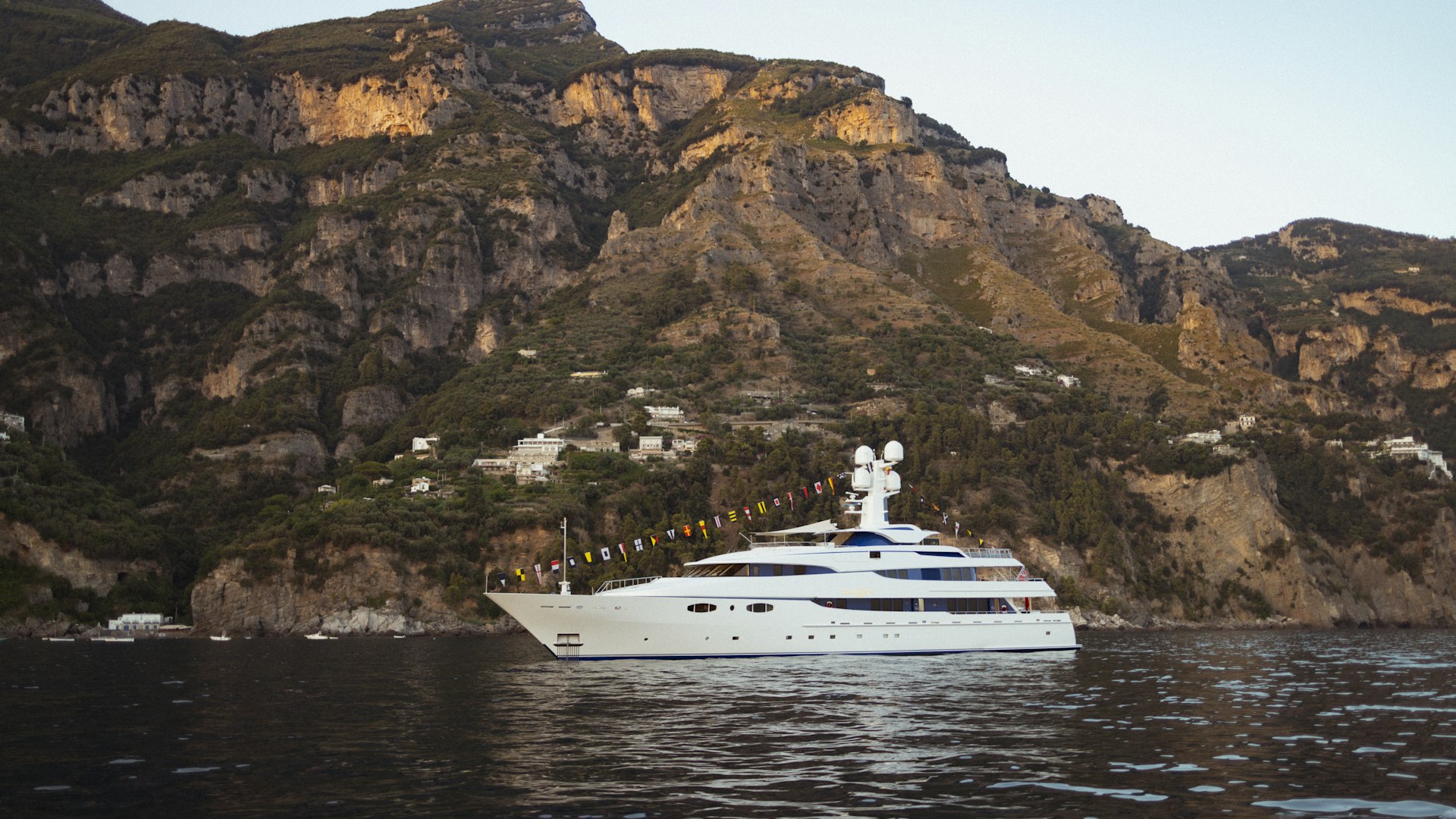
Forty kilometres of vertical limestone, terraced lemon groves, and medieval port towns strung along one of Europe's most demanding coastlines — the Amalfi Coast rewards those who approach it by sea, on their own terms and schedule.

Charter by Vessel Type in Amalfi Coast

Catamaran Charter in Amalfi Coast

Spacious twin-hull vessels offering stability, comfort, and generous deck space for the ultimate charter experience.

Sailing Yacht Charter in Amalfi Coast

Classic sailing vessels that combine timeless elegance with the thrill of wind-powered adventure.

Motor Yacht Charter in Amalfi Coast

Powerful luxury vessels delivering speed, sophistication, and effortless cruising across any waters.

The Costiera Amalfitana runs from Positano in the west to Vietri sul Mare in the east, with the cape of Capo d'Orso marking its dramatic midpoint. Seen from the water, the cliff architecture is unrelenting — villages appear stacked rather than built, and the road connecting them is so narrow that arriving by road feels like an afterthought. A charter yacht is not a luxury here; it is the rational way to move.

What makes this coast genuinely interesting to an experienced charterer is its density. Within a single day's sail you can anchor off Li Galli, the private archipelago once owned by Rudolf Nureyev, take lunch at a dock in Cetara known for its colatura di alici, and end the evening in the marina at Amalfi town with a cold glass of Greco di Tufo and almost no one from a package tour in sight. The Tyrrhenian here is not a backdrop — it is the route.

Why Charter in Amalfi Coast

The coast sits within the Gulf of Salerno, which provides a degree of shelter from open-sea swells that the Aeolian Islands or western Sardinia do not. Anchorages are frequent and varied, from the broad sandy bay at Praiano to the tight, rocky drop-anchors below Ravello's gardens. A competent crew can thread the coast in either direction depending on the day's wind, using the afternoon breeze that builds from the south-west to make good progress eastward or simply to cool a swim stop.

The cultural programme ashore is unusually rich for a sailing destination. Ravello's Villa Cimbrone and Villa Rufolo have terraced gardens that genuinely merit an hour on foot. The Duomo di Amalfi contains the relics of St Andrew and a 12th-century bronze door cast in Constantinople. Pompeii and Herculaneum are reachable by road from Salerno or from a berth in the Sorrento marina within 40 minutes. For charterers who want sailing and substance rather than sailing and sunbathing alone, this coast is hard to match in the western Mediterranean.

Provisioning quality is high. The local markets in Amalfi, Positano, and Vico Equense carry the produce the region is actually known for — San Marzano tomatoes, fior di latte mozzarella from the Lattari mountains, sfusato amalfitano lemons, and fresh anchovies from the small fishing fleet at Cetara. A good local provisioner engaged through your broker can have everything aboard before departure from Naples or Salerno.

Amalfi Coast Highlights

1

Positano — the most photographed town on the coast, best appreciated from the water at dusk when the day-trippers have left. Anchor in the bay and dinghy ashore for dinner at one of the terraced restaurants above the beach.

2

Li Galli Archipelago — three small islets southwest of Positano, traditionally identified as the Sirens of Homer. The surrounding waters offer excellent snorkelling and a genuine sense of remove from the coastal traffic.

3

Amalfi town marina — the working heart of the coast. The Duomo is worth the climb, the colonnaded shops sell genuine local limoncello rather than the tourist variant, and the market off Via Lorenzo d'Amalfi is a reliable provisioning stop.

4

Cetara — a small fishing village east of Amalfi, largely bypassed by charter itineraries to their detriment. The colatura di alici produced here is among the finest fish sauces in Italy and the waterfront restaurants serve it simply over pasta without ceremony.

5

Capri and the Faraglioni — technically outside the Amalfi Coast proper but within easy reach of any itinerary based there. The sea stacks at the southern end of the island and the Blue Grotto are best visited by tender in the early morning before the motorboat excursions arrive from Naples.

6

Cala di Mitigliano — a secluded anchorage below the Punta Campanella nature reserve at the western tip of the Sorrento peninsula, with clear water and a rock arch accessible by swimming.

7

Ravello by tender from Amalfi — the town sits 365 metres above sea level and is reached in 20 minutes by road from the harbour. The garden terrace at Villa Cimbrone offers one of the most precisely composed views of the Tyrrhenian available from land.

When to Sail

The coast is sailable from late April through October, with July and August bringing the most settled weather and the heaviest boat traffic. May, June, and September offer a more manageable balance of conditions and crowd levels.

High Season (Jun-Sep)

July and August deliver reliable Libeccio and Maestrale winds from the south-west and north-west respectively, typically 10 to 18 knots, dropping in the evening to create ideal anchorage conditions. Sea temperatures reach 26°C by August. The trade-off is marina congestion — Positano's moorings fill by mid-morning in peak weeks, and the small harbour at Amalfi town operates a waiting system. Booking marina berths months in advance is standard practice. June and September share much of the same wind pattern with noticeably fewer vessels, which most experienced charterers consider the better option.

Shoulder Season (May, Oct)

May brings variable winds and occasional Scirocco events from the south-east carrying Saharan dust, but the coastline is at its most visually arresting — the wisteria and citrus are in flower and the water, at around 19°C, is swimmable for those accustomed to it. October is arguably the most underrated month: the sea retains summer warmth well into the month, the villages are reachable without queuing, and the late light on the limestone cliffs is notably different from summer. Wind can be less predictable, and a gale watch is advisable from mid-October onward, but an experienced crew will read the synoptics and adjust plans accordingly.

Choosing the Right Yacht

Motor yachts dominate the charter fleet on this coast for good reason. The distances between stops are short, the anchorages require precise manoeuvring, and the afternoon wind pattern — while pleasant for a sundowner sail — is not sustained enough to reward a purely sailing-focused itinerary unless that is the explicit priority. A motor yacht in the 20 to 30-metre range gives a crew the flexibility to cover the full coast in a week without being rushed, with enough deck space for the water toys that calm anchorages like Li Galli invite. Models from Azimut, Baia, and San Lorenzo are well-suited structurally and aesthetically to this environment — their lower profile sits well under the cliff villages.

Seven Days on the Amalfi Coast and Capri

A suggested week-long charter route

Day 1

Embark in Naples at the Mergellina marina or the Porto di Napoli. Allow the afternoon for provisioning and familiarisation. Evening departure south toward the Sorrento peninsula. Anchor in the Cala di Mitigliano bay below Punta Campanella for the first night, which eases the transit south and keeps the week's pace considered rather than rushed.

Day 2

Morning snorkel at Punta Campanella, then west to Capri. Arrive before 10:00 to hold a position in Marina Grande before the hydrofoil traffic peaks. Tender to the Blue Grotto before noon. Afternoon at anchor in the Faraglioni bay on the south-east coast. Dinner ashore in Capri town — the Anacapri restaurants are quieter and arguably better.

Day 3

Sail or motor east from Capri along the base of the cliffs to Positano. Arrive mid-morning to secure a good anchorage position in the bay. Tender ashore for a late breakfast and a walk through the upper village. Afternoon swim stop. Sundowner at anchor with the village lit at dusk before a quiet dinner aboard.

Day 4

East to the Li Galli islets for a morning of deep clear water and minimal company, then continue to Praiano for lunch. This section of the coast between Positano and Amalfi has fewer visitors and more interesting cliff topography. Afternoon arrival in Amalfi town — secure a marina berth or anchor in the outer bay and tender in. Evening in the piazza.

Day 5

Spend the morning ashore in Amalfi — the Duomo, the paper museum, and the morning market. After lunch, drive or take a local taxi up to Ravello for the afternoon. Back aboard by early evening for a short motor east to anchor off Atrani, the smallest comune in Italy, which sits immediately east of Amalfi and has a beach bar accessible by tender.

Day 6

East along the lower, less-visited section of the coast to Cetara for a long lunch. The tuna and anchovy dishes here reflect the village's actual fishing economy rather than a tourist menu. Afternoon at anchor in the bay. Continue to Salerno by early evening — the marina is well-run, the historic centre is largely bypassed by charter itineraries, and the Norman cathedral with its 11th-century bronze doors is worth an hour.

Day 7

Return passage west at a pace that allows a final swim stop at Li Galli or Cala di Mitigliano before the final approach to Naples or Sorrento for disembarkation. If the itinerary ends in Sorrento, the late afternoon light from the harbour looking back at Vesuvius across the bay marks a fitting close.

Local Tips

  • Marina berths at Positano and Amalfi town must be booked months in advance for July and August dates. Neither harbour has significant overflow capacity and both operate on a first-confirmed basis. Your broker should initiate these bookings as soon as the charter contract is signed.
  • The Zona A traffic restriction within the Gulf of Naples and along the Amalfi Coast applies to vessels over a certain length in some protected anchorages. Confirm your yacht's compliance with the local port authority rules via your captain before setting a hard itinerary, particularly around Punta Campanella marine reserve.
  • Italian port formalities require all foreign-flagged vessels to complete a declaration of arrival (dichiarazione di arrivo) within 24 hours of entering Italian waters. EU-flagged yachts have a simplified process. Your captain will manage this, but being aware of the requirement avoids confusion at the first marina.
  • For provisioning, engage a Neapolitan or Salerno-based provisioner rather than relying solely on supermarkets. The quality difference in fresh mozzarella, local wine, and seasonal produce is significant. Many provisioners will deliver directly to the dock at Mergellina or Salerno.
  • The Scirocco wind from the south-east can shut anchorages on the western-facing parts of the coast at short notice and brings a visible haze and occasionally red dust from the Saharan belt. It passes within 24 to 48 hours in most cases, but a flexible itinerary that can pivot to sheltered eastern anchorages around Salerno gives a crew genuine options.
  • Tipping culture in the Amalfi towns is more restrained than northern European visitors expect — rounding up a restaurant bill is the norm, and a gratuity of 10 per cent is considered generous. The crew gratuity aboard is separate and at the charterer's discretion, typically in the range of 10 to 20 per cent of the charter fee for a high-performing crew.

Frequently Asked Questions

Do I need a permit to anchor along the Amalfi Coast+
Several areas fall within the Punta Campanella Marine Protected Area, which is divided into zones with varying levels of access. Zone A (the strictest) prohibits anchoring and requires day-visitor access only by authorised tender. Your captain will have the current zone charts and can plan anchorages accordingly. Outside the protected area, anchoring is permitted subject to standard Italian maritime rules.
Is the Amalfi Coast suitable for a sailing yacht charter, or is a motor yacht a better choice+
Both work, but for different itinerary priorities. The coast is compact — roughly 40 kilometres end to end — and motor yachts allow more flexibility to stop frequently, cover ground quickly, and manoeuvre in confined harbours. Sailing yachts reward a more patient, wind-led approach and suit charterers who want to engage the passage rather than simply arrive. The afternoon south-westerly is reliable in summer and provides genuine sailing when it builds.
What is the minimum charter budget for this destination+
The charter fleet covering this area spans a wide range. Entry-level options start below EUR 5,000 per week for smaller vessels, while the upper end of the market for a large motor yacht in peak season runs well above EUR 100,000 per week before expenses. The majority of bookings for a family or group of six to eight guests with a professional crew sit in the EUR 15,000 to EUR 40,000 per week range, excluding fuel, food, marina fees, and crew gratuity, which typically add 20 to 35 per cent to the base charter fee.
Can I combine an Amalfi Coast charter with a trip to Sicily or the Aeolian Islands+
It is possible but requires realistic planning. The passage from Salerno to the Aeolian Islands covers approximately 200 nautical miles, making it a two-day transit each way on a motor yacht and longer under sail. For a two-week charter, a combined itinerary is viable. For a single week, attempting both areas dilutes the time in each and creates a passage-heavy trip rather than a destination-focused one. Most experienced charterers treat the Amalfi Coast and Gulf of Naples as a self-contained circuit for one week.
Where do charters typically embark and disembark on the Amalfi Coast+
Naples is the primary hub, with the Mergellina marina and Porto di Napoli both regularly used for embarkation. Sorrento is the alternative if clients are arriving via Rome rather than Naples airport. Salerno marina is practical for itineraries focused on the eastern sections of the coast. One-way charters between Naples and Palermo are occasionally arranged for two-week itineraries that continue south.
How crowded is the coast in July and August, and does it affect the experience on a private yacht+
The towns and road infrastructure become very congested in high summer, which is precisely why arriving by sea avoids the worst of it. The anchorages, while busier than in spring or autumn, are not unpleasant — the water stays clean and the position in the bay is simply first-come, first-served. Marina berths at Positano and Amalfi town require advance booking. The experience of sitting at anchor off Atrani or Li Galli on an August evening, with the towns visible but the noise distant, is notably different from being on the corniche road in traffic.

Speak with a SelectYachts specialist to match the right vessel to your group size, dates, and itinerary priorities on the Amalfi Coast.

Request Your Charter

Request Your Charter

Tell us about your dream voyage and we will find the perfect yacht for you.