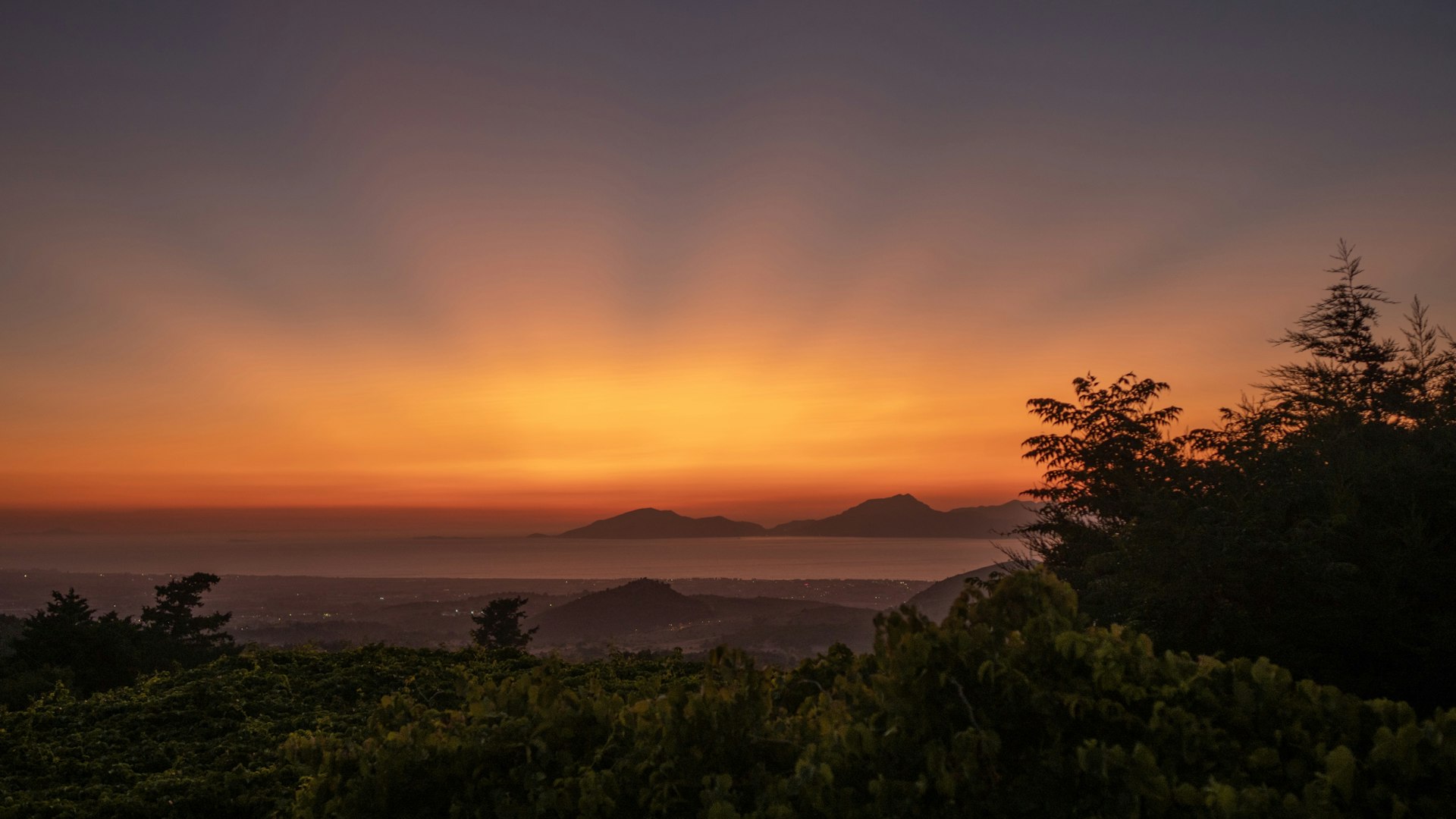
Dodecanese Yacht Charters

Dodecanese Yacht Charters

Twelve major islands and dozens of lesser ones, strung between Rhodes and Kastellorizo, where the Aegean meets the Levantine coast and the meltemi blows reliably enough to reward a confident sailor without punishing a cautious one.

Charter by Vessel Type in Dodecanese

Catamaran Charter in Dodecanese

Spacious twin-hull vessels offering stability, comfort, and generous deck space for the ultimate charter experience.

Sailing Yacht Charter in Dodecanese

Classic sailing vessels that combine timeless elegance with the thrill of wind-powered adventure.

Motor Yacht Charter in Dodecanese

Powerful luxury vessels delivering speed, sophistication, and effortless cruising across any waters.

The Dodecanese occupies the south-eastern corner of the Aegean, closer to the Turkish coast than to Athens, and this geographical fact shapes everything about sailing here. The islands are geologically distinct from the Cyclades, taller and more forested in places, with a layered history that runs through Byzantine, Crusader, Ottoman, and Italian colonial periods before Greek reunification in 1947. That complexity is visible at every anchorage, from the medieval fortress town of Rhodes to the domed mosques repurposed as warehouses in Kos.

For charterers, the practical appeal is a combination of reliable summer winds, a wide spread of islands at comfortable day-sail distances, and a quality of cuisine and provisioning that has improved markedly over the past decade. Rhodes, Kos, and Patmos anchor the archipelago commercially, while smaller islands such as Symi, Tilos, Nisyros, and Kastellorizo offer the kind of quiet anchorages that require local knowledge to find well.

Why Charter in Dodecanese

The meltemi is the defining sailing condition in the Dodecanese. This north-northwesterly blows consistently from late June through August, typically Force 3-5 with occasional Force 6 days in exposed channels. It makes passages south and east fast and bracing, and creates a natural directional logic for itineraries that work with the wind. Unlike the central Cyclades, the Dodecanese offers more sheltered options on the lee sides of larger islands, meaning there is nearly always somewhere comfortable to anchor regardless of conditions.

The island chain also offers a genuine cultural argument for chartering here rather than the more visited Cyclades. Patmos, where St John wrote Revelation, has an atmosphere of genuine quietude that a Santorini or Mykonos cannot claim. Symi's neoclassical painted houses, built on 19th-century sponge-diving wealth, are architecturally singular in the Aegean. Kastellorizo, Greece's most easterly island, sits two nautical miles off the Turkish coast and requires a special appeal to visit, adding an element of distinction to any itinerary that reaches it.

Provisioning standards in Rhodes Town and Kos Town are high enough to support a well-stocked yacht for a week at a time, with fresh fish markets, good delis, and reliable fuel facilities. The marina infrastructure has also matured: Mandraki Harbour in Rhodes accepts larger vessels with reasonable services, and the marinas at Kos and Leros have both been upgraded. For charterers who prefer to eat ashore, the waterfront tavernas in Symi's Gialos harbour serve some of the best fresh seafood in the southern Aegean.

Dodecanese Highlights

1

Symi (Gialos harbour) - The neoclassical ochre and terracotta facades of Symi Town are the most photographed harbour-front in the Dodecanese, but the walking, the monastery of Panormitis at the island's southern tip, and the seafood restaurants justify a full day here beyond the aesthetic.

2

Kastellorizo - Greece's easternmost inhabited island requires a modest detour but delivers an atmosphere unlike anywhere else in the country: a single deep harbour, a population of a few hundred, and the famous Parasta sea cave accessible only by dinghy or small boat at sea level.

3

Patmos (Skala and Grikos Bay) - Skala is the commercial port, functional and well-provisioned; Grikos Bay to the south is where you anchor in calm turquoise water below the 11th-century Monastery of St John. The combination of both in a single overnight stop is hard to beat.

4

Nisyros caldera - The island is a dormant volcano, and arriving by yacht to Mandraki and taking the road up to the caldera is one of the more genuinely unusual shore excursions in the Aegean. The village of Nikia on the crater rim is architecturally pristine.

5

Lindos anchorage, Rhodes - Anchoring off Lindos and rowing ashore avoids the worst of the coach-party traffic, and the Acropolis of Lindos at dawn, before the day-trippers arrive, is worth the early alarm call.

6

Tilos - A small island with an outsized reputation among wildlife and walking enthusiasts. The bay at Livadia is a straightforward anchorage, the tavernas are honest and good, and the 2007 decision to ban hunting has made the island a serious birdwatching destination.

7

Lipsi and the Lipsi archipelago - A scattering of small islands between Patmos and Leros, largely bypassed by charter traffic, with clear shallow water and sand-and-posidonia seabed that anchors well. The island of Lipsi itself has one good taverna and a festival atmosphere in August worth timing a visit around.

When to Sail

The Dodecanese season runs from May to October, with peak summer delivering the strongest meltemi and the busiest anchorages, while the shoulder months offer softer conditions and significantly more space.

High Season (Jun-Sep)

July and August bring the meltemi at its most assertive, consistently useful for those sailing south or east but demanding careful planning for northbound passages. Anchorages at Symi, Lindos, and Patmos fill quickly; arriving before noon is essential for the best positions. Sea temperatures reach 26-28°C. Rhodes Town buzzes with activity and provisioning is straightforward, but ferry traffic in the main harbours requires vigilance. June and September offer the best balance of reliable wind and manageable crowd levels.

Shoulder Season (May, Oct)

May is increasingly popular with experienced charterers who want the islands largely to themselves. Winds are variable, often from the south or west, and temperatures sit in the low-to-mid 20s. The sea is warm enough for swimming from mid-May onward. October can deliver exceptional sailing: the meltemi has usually faded, the light is extraordinary, and island restaurants remain open through the month. Occasional low-pressure systems moving east can bring brief periods of strong south-westerly wind, so monitoring forecasts daily is advisable.

Choosing the Right Yacht

The Dodecanese rewards range and seakeeping over shallow-draught convenience. Motor yachts of 20 metres and above can cover the longer passages between Kastellorizo and Rhodes efficiently, and the fleet available here includes displacement and semi-displacement hulls well suited to the variable sea states that the meltemi produces in open water. For groups who want to maximise island coverage and enjoy nights at anchor rather than in marinas, a motor yacht with a capable tender is the most practical choice. Gulets and sailing yachts suit the arc from Patmos south through Symi and into Rhodes particularly well. The meltemi provides consistent downwind or beam-reach sailing in that direction, and a gulet's shallow draught and broad beam make it comfortable at anchor in the small coves around Tilos and Nisyros. Catamarans are increasingly popular in the Dodecanese for families, offering deck space and stability in the meltemi chop, though their beam can limit access to a handful of smaller quays. The width of the island chain gives all types room to find conditions suited to their performance.

Ten Days in the Southern Dodecanese, Rhodes to Patmos

A suggested week-long charter route

Day 1

Board in Rhodes Town (Mandraki Harbour), provisioning from the central market. An afternoon briefing and short passage north to anchor in the calm water off Kallithea Bay or, in lighter conditions, continue to Haraki on Rhodes's east coast. Dinner aboard with a first look at the Turkish mountains to the east.

Day 2

Early departure south around Cape Praso to Lindos. Arrive before 1000 to secure a good anchorage. Tender ashore, walk up to the Acropolis, lunch in the village. Afternoon sail or motor south to Lardos Bay for a quieter overnight.

Day 3

Full passage day, approximately 45 nautical miles southwest with the meltemi, to Tilos. Anchor in Livadia Bay. Walk to the medieval castle above the port, dinner at one of the waterfront tavernas, the sea bass here is worth ordering.

Day 4

Short morning passage to Nisyros (12 nautical miles). Berth or anchor at Mandraki. Take the local bus or a rented vehicle up to the caldera. The sulphurous craters and the ridge-top village of Nikia are genuinely worth three to four hours. Return to the yacht for a late lunch and an afternoon at anchor.

Day 5

Sail northwest to Symi (approximately 25 nautical miles). Arrive at Gialos harbour in the early afternoon. The inner harbour fills fast in July and August; anchoring with a stern line to the quay is standard practice. Explore the Chorio (upper town), drink at one of the harbour cafes, dinner at Manos or one of the fish tavernas on the south side of the harbour.

Day 6

Morning visit to the Monastery of Panormitis at Symi's southern tip by tender. Return north and make the 55-nautical-mile passage to Kastellorizo, timing arrival for the late afternoon light on the harbour. This is the most ambitious passage of the itinerary; the meltemi eases east of Rhodes, making it manageable in a motor yacht or a gulet under engine-assisted sail.

Day 7

A full day on Kastellorizo. Morning visit to the Parasta cave by tender at low swell. Lunch at one of the handful of waterfront restaurants (the harbour is small enough that all of them are within a two-minute walk). Afternoon swimming from the yacht. The island has a single main street, a small archaeological museum, and a pace of life that makes it an excellent day to do very little.

Day 8

Return passage northeast. Given wind direction, consider stopping at Kaş on the Turkish coast if Turkish entry paperwork has been prepared in advance, or anchor for the night in one of the bays on Rhodes's northwest coast. Fuel at Mandraki if needed.

Day 9

Depart Rhodes early for the Lipsi archipelago, approximately 60 nautical miles north. Anchor off the main island of Lipsi or explore the quieter bays of Marathi or Arki en route. The posidonia-covered seabed gives good holding in 5-10 metres.

Day 10

Morning passage to Patmos (20 nautical miles). Anchor in Grikos Bay for a swim and lunch. Tender to Skala in the afternoon, walk or take a taxi up to the Monastery of St John and the Cave of the Apocalypse. Final dinner ashore in Skala before disembarkation the following morning.

Local Tips

  • Customs and entry in the Dodecanese is straightforward for EU flagged yachts, but if your itinerary touches the Turkish coast (Kaş, Marmaris, Bodrum), ensure the yacht holds a valid transit log and that crew passports are in order well in advance. The crossing from Kastellorizo to Kaş is approximately 2 nautical miles and is easily done, but Turkish port authority formalities apply in full.
  • Fuel and water are available at Mandraki (Rhodes), Kos marina, and Leros marina, which also has good laundry facilities. Smaller islands such as Tilos and Nisyros have limited fuel options; plan tank levels before departing the main islands.
  • Provisioning is best done in Rhodes Town (central market, open mornings) or Kos Town, where supermarket quality and fresh produce are dependable. On Symi, Patmos, and Kastellorizo, provisioning is possible but limited to smaller selections and higher prices.
  • The meltemi intensifies from midday to early evening in most of the southern Dodecanese. Experienced captains make long passages in the early morning when winds are lighter, reserving afternoons for short hops, anchorage exploration, or waiting at anchor. Plan accordingly rather than fighting a strengthening headwind into a tight harbour in the afternoon.
  • Symi's inner harbour has strict berthing etiquette; the port authority manages berth allocation and requires patience during August arrivals. Arriving by 1300 gives the best chance of a quay berth; later arrivals typically anchor in the outer bay.
  • Cuisine worth seeking out includes Symi shrimps (a small, intensely flavoured local prawn served simply grilled), the octopus hung to dry on lines at most quayside tavernas throughout the archipelago, and the honey and almond sweets made by the monks on Patmos, available at the monastery shop.

Frequently Asked Questions

How long do I need to charter in the Dodecanese to cover the main islands+
Ten to fourteen days gives a comfortable pace from Rhodes to Patmos or vice versa, with time for slower days on Symi, Kastellorizo, and the smaller islands in between. A seven-day charter can cover five to six islands but requires consistent early starts and some longer passages. The arc from Rhodes to Patmos is approximately 150 nautical miles; add Kastellorizo and you are looking at closer to 220 nautical miles total.
Is the Dodecanese suitable for less experienced sailors or first-time charterers+
Yes, particularly in May, June, and September when the meltemi is manageable and sea states are more predictable. July and August require confidence in stronger wind handling, especially on open passages between Kastellorizo and Rhodes where there is no shelter for extended stretches. Charterers new to the Aegean should consider hiring a local skipper for at least the first charter, particularly for motor yacht or gulet bookings where local knowledge of anchorages and holding ground is valuable.
Can I combine the Dodecanese with the Turkish coast on the same charter+
Yes, and many itineraries do. The Turkish ports of Kaş, Marmaris, and Bodrum are within comfortable range and add genuine variety to a Dodecanese charter. The key requirement is a transit log, issued by a Greek port authority at the start of the cruise, which allows the yacht to clear Turkish customs. Check current bilateral formalities with your broker before departure as documentation requirements have changed periodically.
What is the best base port for joining and departing a Dodecanese charter+
Rhodes International Airport (RHO) is the most convenient, with good connections from across Europe and year-round direct flights from London. Kos Airport (KGS) is a reasonable alternative for itineraries based in the northern part of the archipelago. Patmos has no commercial airport; charterers based at the northern end of the itinerary typically transfer by ferry from Piraeus or fly to Kos and arrange a tender transfer.
Are anchorages generally reliable or should I expect to spend most nights in marinas+
Anchorages are reliable throughout the Dodecanese, and many of the best stops have no marina at all. The seabed is predominantly sand and posidonia, with good holding in most bays in 5-15 metres. Marina berthing is readily available in Rhodes, Kos, and Leros for those who prefer it, and useful for overnight passages that require fuel and water. In August, popular anchorages such as Symi and Patmos fill by early afternoon, so planning arrival times is important.
What types of yacht are available for charter in the Dodecanese+
The Dodecanese fleet covers motor yachts, sailing yachts, catamarans, and gulets. Gulets are particularly well-suited to this region given their Turkish origins and the proximity of the coast; many gulet owners operate out of both Greek and Turkish waters. Motor yachts dominate the larger end of the fleet and are well matched to longer passages between the more spread-out islands such as Kastellorizo. Catamarans are a strong choice for families prioritising stability and deck space.

Speak to our Dodecanese specialists to match your group, dates, and itinerary ambitions with the right yacht from our vetted fleet.

Request Your Charter

Request Your Charter

Tell us about your dream voyage and we will find the perfect yacht for you.